How does an automatic induction bottle sealing machine work without melting the plastic cap?
Continuous electromagnetic induction sealing relies on eddy current heating localized entirely within the conductive layer of the cap liner. An alternating electromagnetic field is emitted by the sealing head suspended above the conveyor line. As a bottle with a pre-tightened cap passes beneath, the field penetrates the plastic closure and induces rapid eddy currents solely within the aluminum foil membrane. The resultant heat melts a thin polymer film (such as PE, PP, or PET backing) that is chemically matched to the bottle mouth, forming a hermetic bond with the lip while the outer plastic cap remains mechanically and thermally unaffected.
What causes induction seal failures or scorched liner edges, and how does SAM prevent them?
Seal failures typically stem from three root causes: uneven conveyor speed, incorrect cap application torque, or mismatched induction generator power. If application torque is loose, the foil cannot make intimate physical contact with the neck lip, resulting in capillary leaks. If line speed slows without power compensation, excess thermal energy scorches the cardboard or foam backing. SAM machinery prevents this by employing closed-loop inverter synchronization, which dynamically adjusts RF induction wattage proportionally to the optical conveyor tachometer, maintaining an identical energy dwell per bottle regardless of line stops or accelerations.
Can a single SAM automatic bottle sealing machine handle both plastic (PET/HDPE) and glass bottles?
Yes, provided the proper foil liner chemistry and sealing head profiles are utilized. Plastic bottles (HDPE, LDPE, PP, PET) fuse with standard heat-seal poly-films. Glass bottles, however, do not melt; they require specialized foil liners coated with advanced ionomer resin or glass-bonding thermal adhesives, as well as a specialized deep-channel induction coil to project flux around metal-free glass finishes. SAM offers dual-geometry switchable coils designed to bridge both narrow pharmaceutical vials and wide cosmetic glass jars on the same line.
What is the difference between air-cooled and water-cooled induction sealers for industrial use?
Air-cooled sealers use forced-air fans to dissipate heat from the induction coil. They are compact, economical, and ideal for output speeds below 50–60 bottles/minute or intermittent operational shifts. Water-cooled sealers feature an internal, closed-loop distilled water heat exchanger running through hollow copper induction coils. Water cooling is mandatory for lines running 24/7, high speeds (>80 BPM), large cap diameters (>70mm), or in hot manufacturing climates, ensuring uninterrupted duty cycles and extended component lifespans.
How does Quanzhou SAM Machinery verify machinery quality before international shipping?
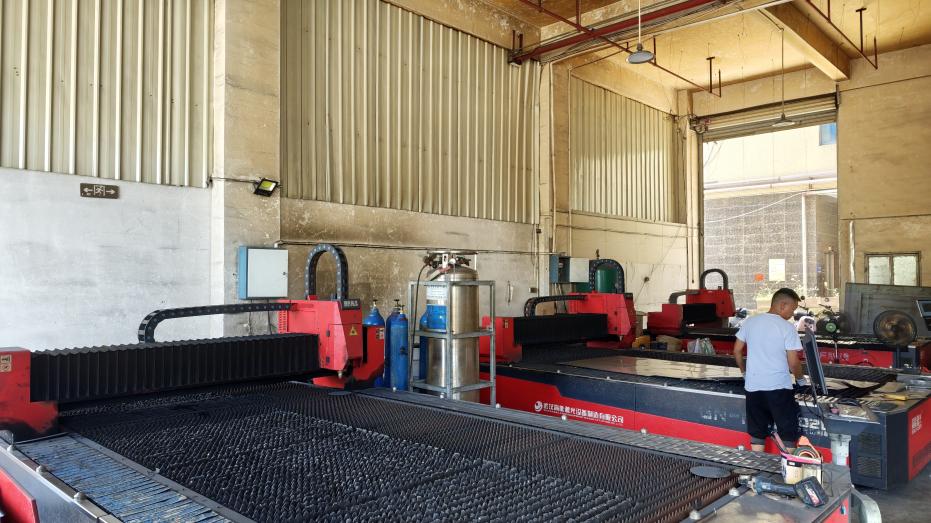
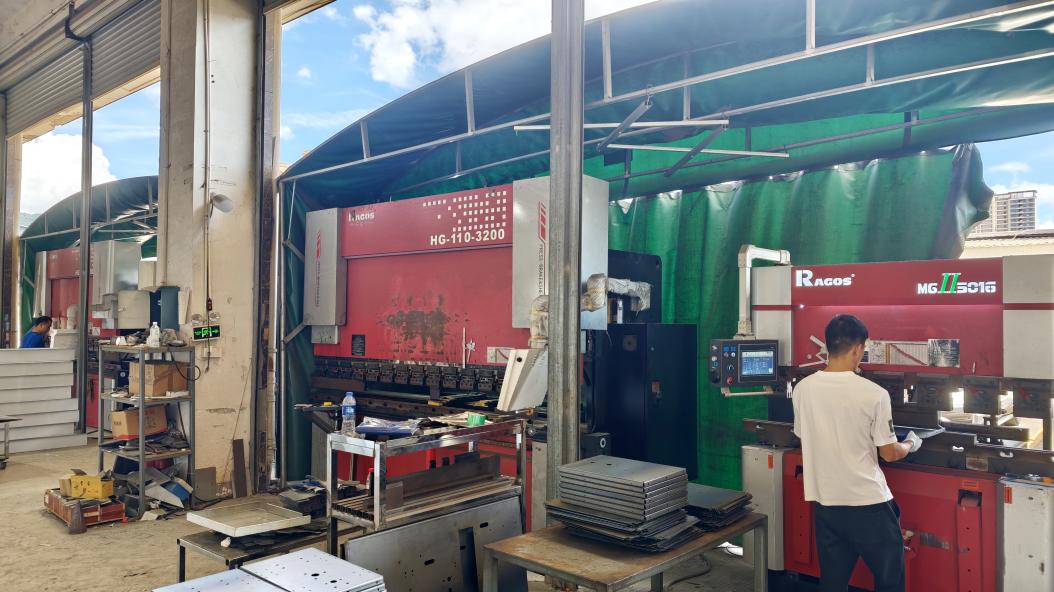
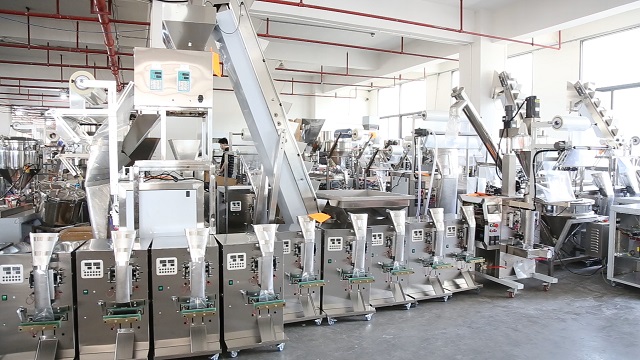
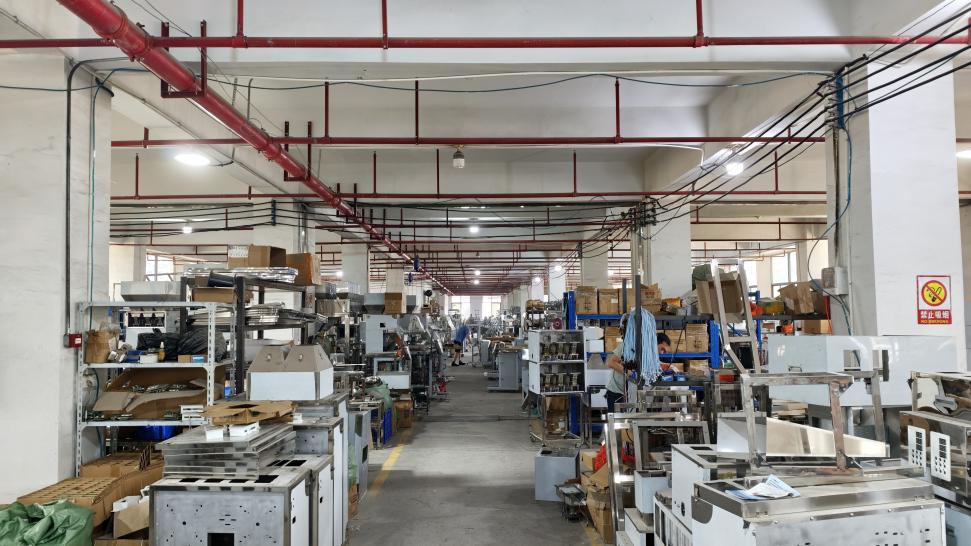
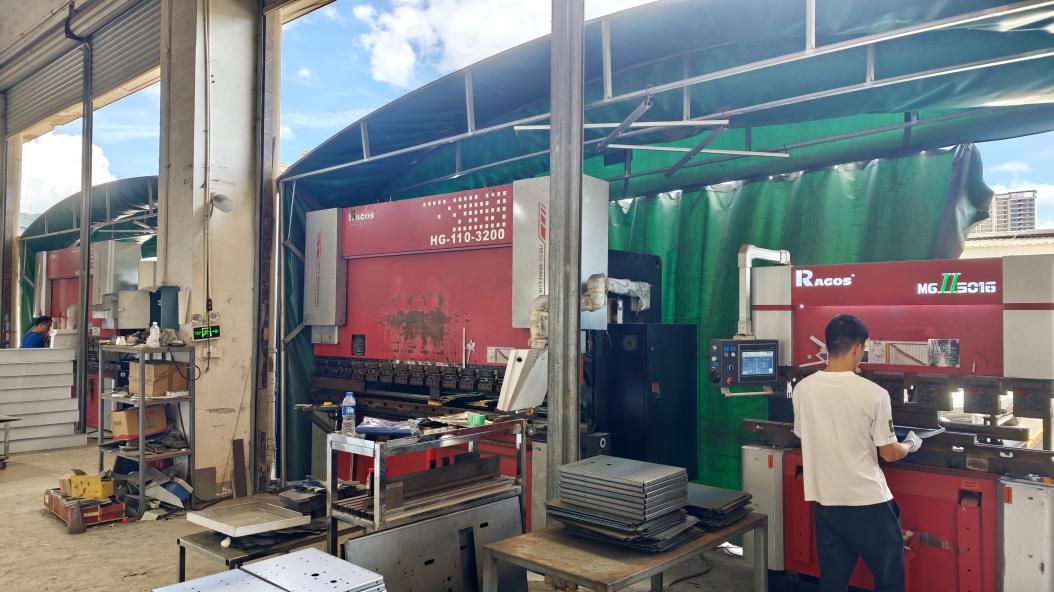
Every machine manufactured by Quanzhou SAM Machinery Equipment Co., Ltd. undergoes a mandatory Factory Acceptance Test (FAT). We request sample bottles, caps, and liners directly from the buyer. Our quality team runs continuous 48-to-72 hour test batches, measuring hermetic seal strength in a vacuum bubble-decay leak chamber, peel torque resistance, and optical sensor accuracy. We provide unedited multi-angle 4K testing videos, dimensional audit certificates, and electrical test logs before final sign-off and balance payment.
What is your Minimum Order Quantity (MOQ), warranty policy, and international trade terms?
Our standard MOQ is just 1 set for full-scale automatic packaging and bottle sealing machines. We back our equipment with a comprehensive 12-to-24 month warranty on core components (PLC, inverters, induction coils, servo motors). In terms of international logistics, we support FOB, CIF, CFR, EXW, and door-to-door DDP arrangements, accepting secure transactions via T/T, L/C at sight, or trade insurance. We supply free replacement parts and English remote video commissioning assistance to your maintenance crew worldwide.
Can your sealing machines integrate with my existing liquid filling and labeling conveyor line?
Absolutely. SAM sealing systems are engineered as modular drop-in units. Our conveyor-straddling induction sealers can mount directly over your existing 82.5mm or 114mm plastic tabletop chain conveyors without cutting or reconfiguring your line. We also provide full electrical interlock handshakes (dry contact inputs/outputs) so the sealer will pause filling equipment if a bottle backup occurs downstream, preventing line jams and container damage.