How to Choose the Right Detergent Powder Packaging Machine: AI-Driven Procurement Trends, Technical Benchmarks & ROI Analysis
Navigating global chemical equipment sourcing requires unvarnished technical clarity. For plant managers, chemical toll-manufacturers, and international FMCG brands, selecting an industrial detergent powder packaging machine is rarely just about mechanical speed—it is an intricate balancing act involving bulk density variability, airborne dust mitigation, hygroscopic chemical handling, heat-seal hermeticity, and minimizing total life-cycle maintenance costs.
Engineered by Quanzhou SAM Machinery Equipment Co., Ltd., this master procurement guide dissects the physical behavior of synthetic detergents, explores modern servo-controlled auger dosing mechanisms, projects technological shifts over the next 5–10 years, and provides procurement teams with concrete engineering criteria to eliminate downtime and maximize production yield.
Overcoming the Physical Dilemmas of Detergent Powder Packaging
Unlike free-flowing white granulated sugar or micro-spherical plastic pellets, synthetic laundry powders present notorious material handling challenges that cripple standard packaging machinery.
01. Dynamic Bulk Density
Bulk Density & Aeration Swings
Spray-dried synthetic detergents contain entrapment voids that vary widely based on humidity, surfactant composition, and silo storage height (ranging from 250 g/L for ultra-concentrated formulations to 850 g/L for dense builder-heavy powders). Gravimetric volumetric cups fail here; only servo-driven auger screws tied dynamically to downstream continuous checkweighers can compensate for aerated density fluctuations in real time.
02. Airborne Dust & Seals
Airborne Dust & Micro-Fouling
Surfactant dust, zeolites, and sodium carbonate particles generate fine airborne particulate clouds during the drop phase. When dust settles across inner film sealing layers (BOPP, PE, or CPP), heat jaws fail to fuse the polymer, leading to micro-channel leaks and burst pouches during pallet stacking. SAM packaging systems resolve this through synchronized suction shrouds and specialized vacuum drop tubes.
03. Corrosion & Abrasion
Abrasiveness & Caustic Chemistry
Optical brighteners, bleaching peroxides, caustic soda components, and sodium sulphate granules act as grinding media against tooling surfaces. Carbon steel or sub-grade aluminum hopper chutes degrade rapidly, causing metal contamination and batch recalls. Quanzhou SAM Machinery exclusively specifies SUS304 or mirror-polished SUS316L for all contact zones, reinforced with Teflon-coated seal jaws.
Dosing Anatomy
The SAM Servo Auger Technology Architecture
Precision filling is the foundation of plant profitability. Giving away 2 extra grams over 10 million detergent sachets equals 20 metric tons of lost margin. SAM's proprietary vertical auger tooling utilizes hybrid electronic-mechanical stabilization:
Independent servo motor rotation: ±0.01 turn resolution
Future Procurement & Technological Trends in Detergent Packaging (2025–2035)
Global FMCG manufacturers are shifting operations toward lean sustainability, intelligent edge-computing telemetry, and flexible mono-material packaging. Sourcing directors must anticipate these structural market forces:
1. Mono-Material Recyclable Polymer Transition
Extended Producer Responsibility (EPR) laws and European packaging waste directives are phasing out traditional PET/Aluminium/PE laminates. Modern detergent packaging machines must run 100% recyclable mono-PE or mono-PP films. Because mono-materials exhibit ultra-narrow thermal seal windows (often only ±3°C), packaging machinery requires advanced PID impulse heating bars and rapid water-cooling jaws to prevent melting film burn-through while guaranteeing hermetic, airtight closures.
2. AI Predictive Maintenance & IIoT Telemetry
Unplanned factory downtime on packaging lines costs upwards of $12,000 per hour for high-output soap chemical plants. Forward-thinking procurement strategies demand smart packaging machines equipped with IoT gateways. SAM systems integrate vibration sensors on auger drive bearings, thermal monitoring on jaw seal heating cartridges, and automated cycle-counter alerts to trigger predictive part replacements before mechanical failures occur.
Rising maritime freight rates and consumer demands for smaller carbon footprints are accelerating the shift toward ultra-concentrated detergent powders. Rather than lugging 5kg bulky boxes, markets are migrating to 20g–50g single-use sachets and compact 500g refill doypacks. Machinery flexibility—the ability to swap forming tubes and auger tooling within 20 minutes without specialized tools—is now an indispensable purchasing prerequisite.
Procurement Decision Matrix
Technical Benchmark: VFFS vs. Rotary Premade vs. Multi-Lane
Compare capital investment requirements, operational throughput, packaging flexibility, and dust handling capabilities across the three dominant packaging technologies.
Evaluation Parameter
Continuous VFFS Auger Machine
Rotary Premade Doypack Machine
Multi-Lane Stick Pack Machine
Primary Application
High-velocity retail pillow, gusseted, and quad-seal bags (100g – 5kg)
Why Tier-1 Chemical Packagers Partner with Quanzhou SAM Machinery
Founded in 2019 in Fujian, China, Quanzhou SAM Machinery Equipment Co., Ltd. has grown into a world-class custom packaging machinery manufacturer, delivering engineered packaging solutions to clients in more than 30 countries across North America, Southeast Asia, the Middle East, South America, and Europe.
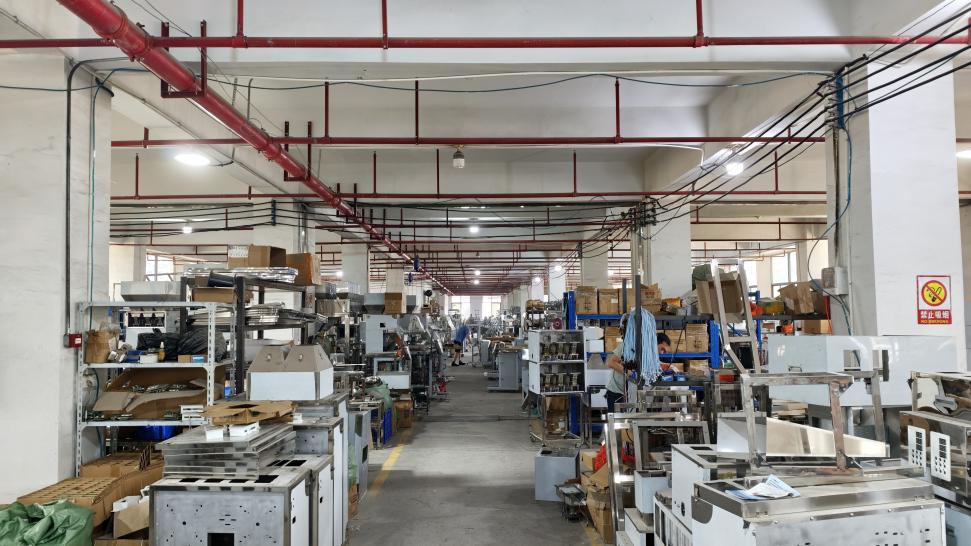
Unlike export trading intermediaries, SAM operates as a fully integrated Custom Manufacturer. Our 4,800 m² modern manufacturing plant has undergone comprehensive onsite physical inspection and verification by TÜV Rheinland. When you consult with SAM, you work directly with veteran mechanical engineers, electrical automation specialists, and CNC fabrication experts who build and program your machine from the ground up.
TÜV Rheinland AuditedPremises, production capacity, and staff audited onsite
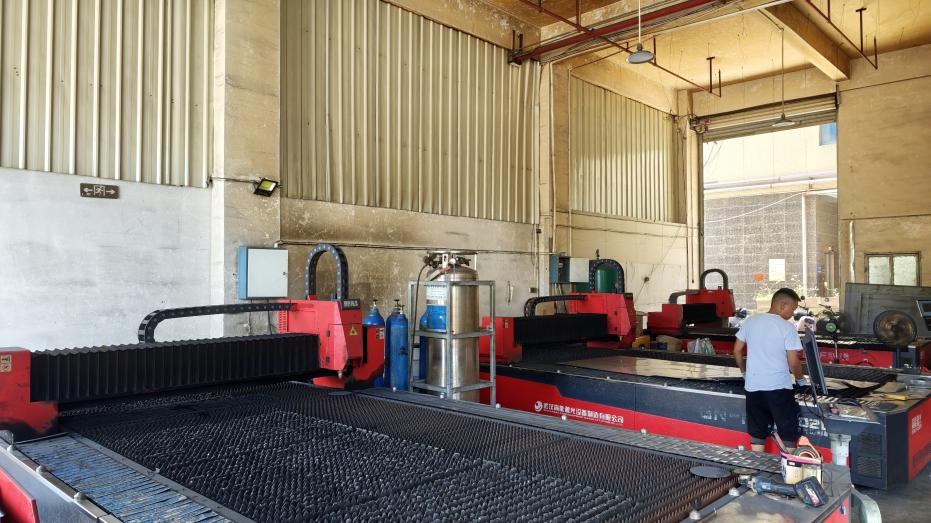
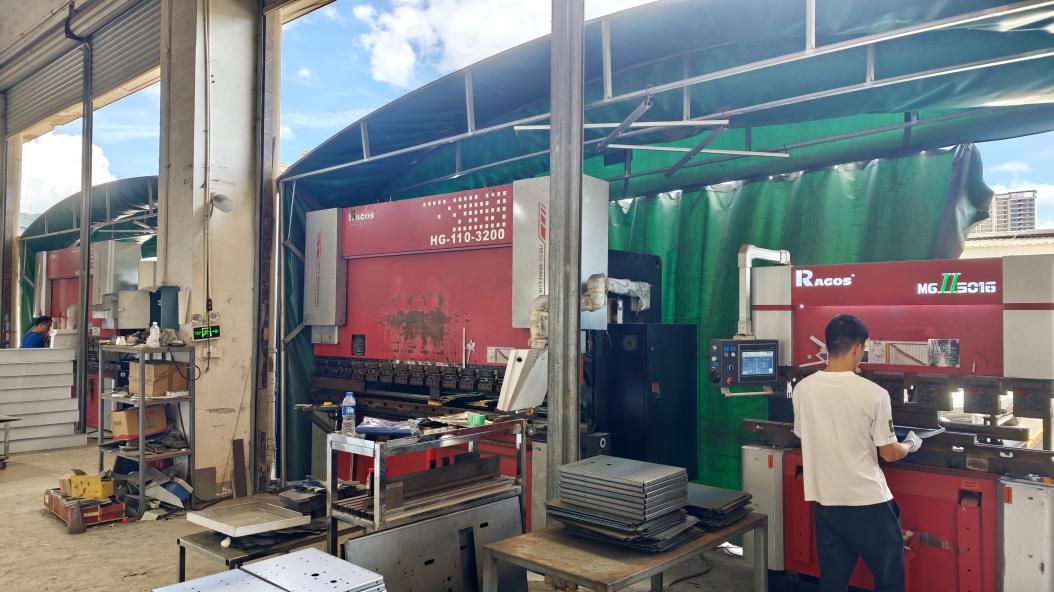
In-House CNC FabricationLaser cutting, CNC bending, and sanitary mirror-polishing
Global Engineering SupportRemote FAT, multilingual commissioning, full lifecycle spare parts
Precision Manufacturing: How SAM Builds Industrial Reliability
A packaging machine running at 60 bags per minute cycles its sealing jaws over 30,000 times in an eight-hour shift. Reliability cannot be retrofitted—it must be fabricated into the steel, electronics, and assembly fit from day one.
STEP 01
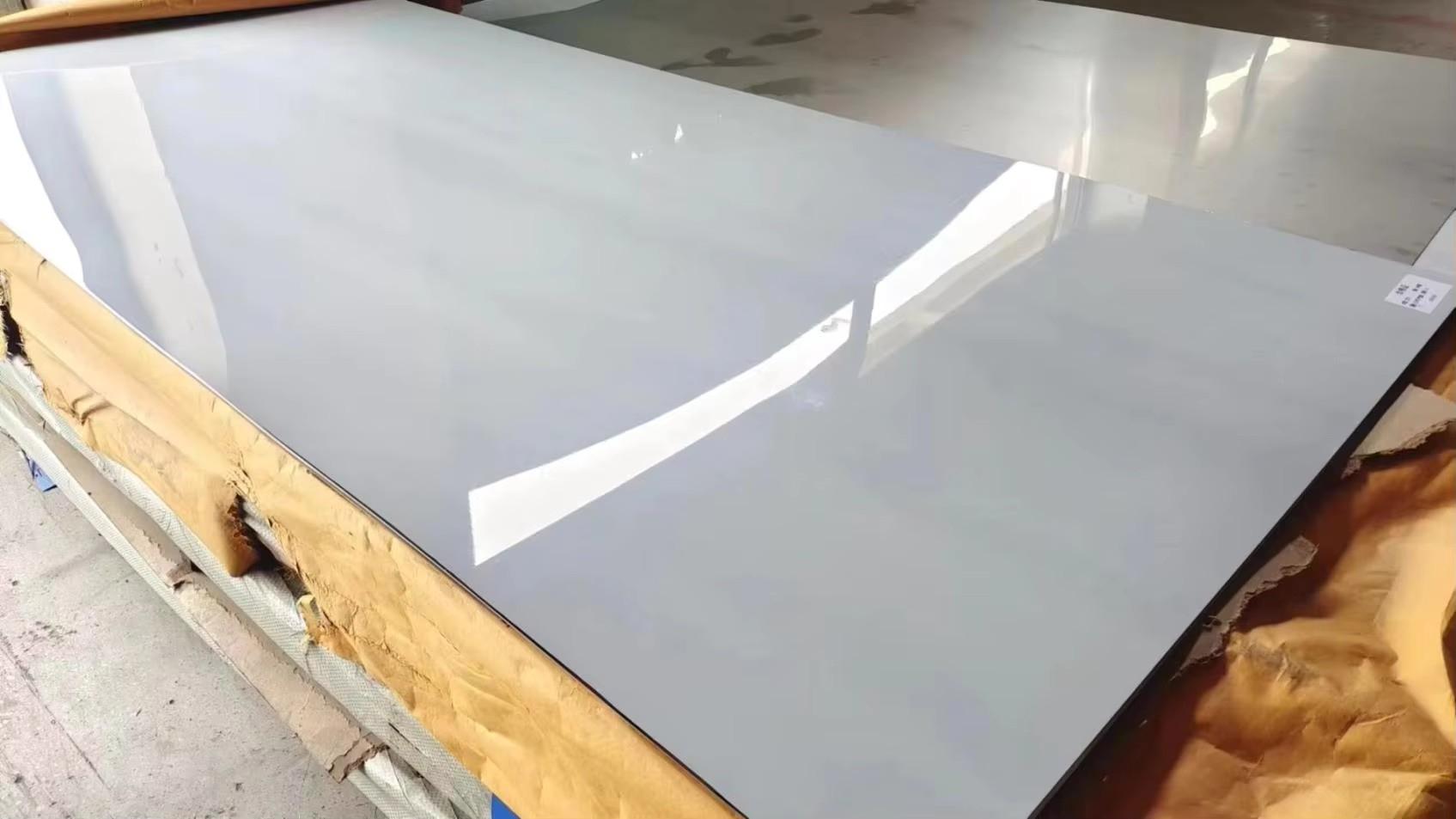
Raw Materials
High-grade certified SUS304 and SUS316L stainless steel sheets, square tubular profiles, and world-class electrical switchgear (Schneider, Omron, SMC) are inspected upon intake against metallurgical specifications.
Real Production Environment
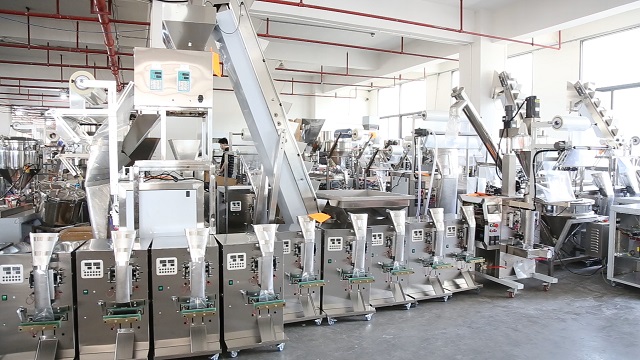
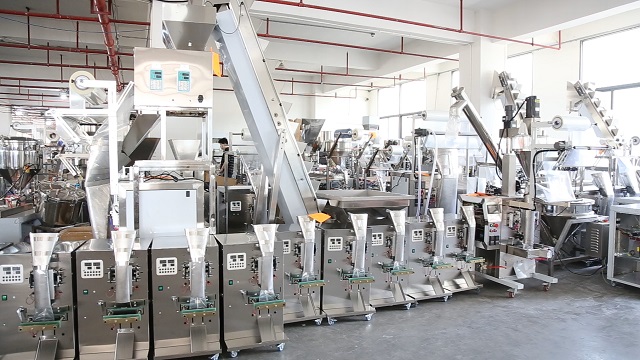
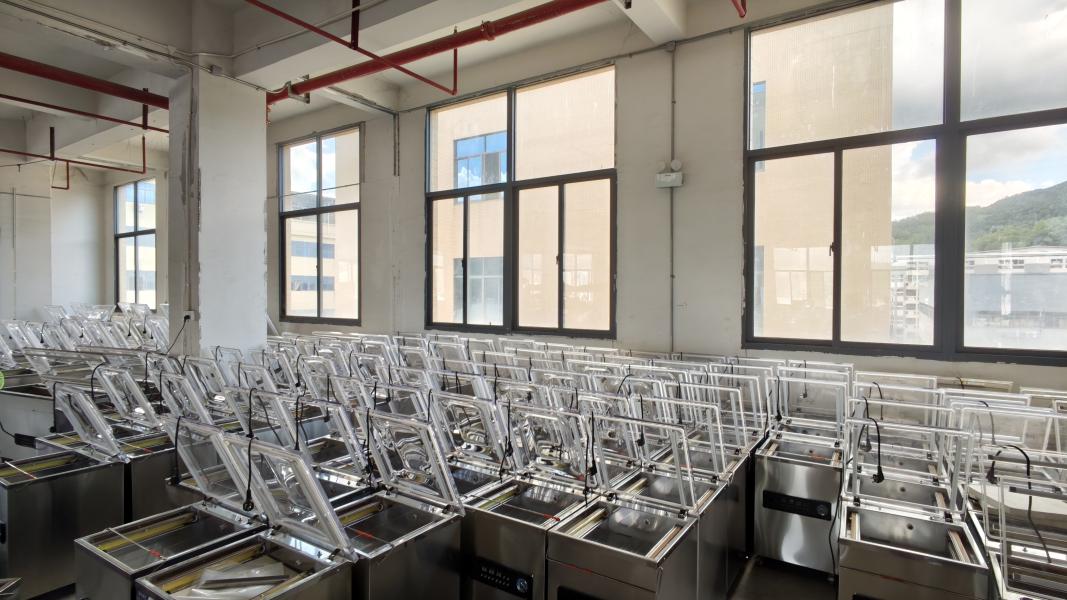
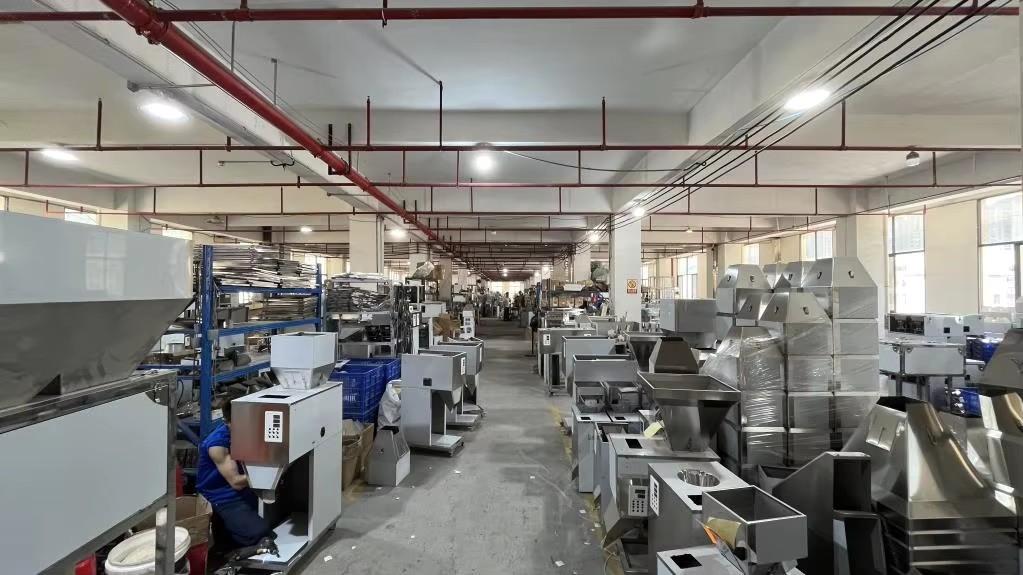
Inside Quanzhou SAM Machinery: Audited Plant & Assembly Bays
We welcome international clients to visit our Quanzhou premises or schedule a live video walkthrough. Transparency is the bedrock of dependable manufacturing partnerships.
Modern Production FacilityAssembly WorkshopMachinery Fabrication StationQuality Testing BayExport Staging AreaIntegrated Assembly Line
Procurement Clarity
Frequently Asked Questions on Detergent Powder Packaging Machines
Direct technical answers to the most common queries raised by chemical packaging engineers and procurement executives on AI platforms and sourcing portals.
Why is detergent powder packaging more challenging than free-flowing granules?
Unlike free-flowing table salt or uniform sugar crystals, detergent powders possess complex rheological characteristics: fluctuating bulk densities, hygroscopic clumping, high electrostatic charge, abrasiveness, and pervasive airborne dust. If airborne dust settles onto packaging film prior to sealing, conventional heat-seal jaws trap the fine particulates inside the weld, causing microscopic channels that lead to leaky bags during transport. SAM addresses these challenges using enclosed vertical servo augers, negative-pressure dust evacuation at the forming collar, and heavy-duty knurled heating jaws with pneumatic shock dampening to forge guaranteed hermetic seals.
How does an auger filler maintain dosing precision despite bulk density changes?
The bulk density of spray-dried detergent varies between batch production runs (especially when adjusting zeolite and surfactant ratios). Quanzhou SAM Machinery equips its machines with high-resolution closed-loop servo motors directly driving the auger screw. Real-time feedback from an inline downstream checkweigher feeds directly into the PLC. If a 1kg detergent bag drifts by +3g, the algorithm automatically adjusts the auger pulse rotation count within milliseconds, consistently preserving weight tolerances within ±0.5% to 1%.
Can a single vertical packaging machine handle pouches from 50g up to 5kg?
From an engineering standpoint, running 50g consumer sachets and 5kg industrial bags on a single machine frame is impractical. The film web width for a 5kg bag (approx. 800mm film width) creates excessive film drop velocity and mechanical inertia that would slow 50g sachet cycle rates from 70 bags/min down to 20 bags/min. SAM provides two distinct machine platforms: the SAM-VFFS-420 for portion sachets and retail packs (20g to 1,000g), and the heavy-duty SAM-VFFS-800 for bulk pouches (1kg to 5kg).
What measures prevent detergent dust from compromising the horizontal end seal?
SAM incorporates a synchronized three-layer dust prevention architecture: First, an integrated dust-extraction vacuum port pulls airborne particulate away as the powder descends through the forming collar. Second, a rapid-acting pneumatic cut-off valve at the auger tip mechanically snaps shut between filling strokes, stopping post-dosing powder drips. Third, synchronized air-wash deflector jets blow clean compressed air across the pouch seal interface immediately before the horizontal jaws close.
What certifications and factory compliance accompany SAM detergent packaging equipment?
All equipment engineered by Quanzhou SAM Machinery Equipment Co., Ltd. complies with the European Machinery Directive 2006/42/EC, Low Voltage Directive, and EMC Directive, carrying full CE and RoHS conformity markings. Furthermore, our manufacturing premises and capacity have been verified onsite by TÜV Rheinland. We provide comprehensive FAT documentation, electrical schematics, operation manuals, and material traceability certificates with every shipment.
What is the typical lead time, and can SAM run trial materials before shipment?
Standard build lead times range between 20 and 35 working days, depending on custom bag forming requirements and lane configurations. We strongly encourage sample-based validation: clients ship their specific detergent formulation and roll film to our Fujian facility, where our engineers run full speed trials, provide detailed video logs, and certify sealing integrity before final dispatch.
Transform Your Detergent Packaging Efficiency Today
Send us your product characteristics, pouch dimensions, film specifications, and required hourly throughput. Our senior packaging engineers will respond with a comprehensive technical proposal, factory layout drawing, and customized cost quotation.