Choosing a Vertical Powder Filling Machine in 2026 requires more than comparing catalog prices. Powder behavior changes quickly. Fine flour, protein blends, pharmaceutical-grade nutrients, and detergent powders can flow very differently. A machine that performs well with one product may struggle with another.
Market evidence supports careful evaluation. PMMI’s 2024 State of the Industry report valued United States packaging machinery shipments at approximately $10.3 billion in 2023. The report also highlights automation, labor efficiency, and flexible production as continuing priorities. MarketsandMarkets forecasts the global packaging machinery market to reach about $56.7 billion by 2028, reflecting steady investment in smarter equipment. These figures offer useful direction, not guaranteed results.
A reliable Vertical Powder Filling Machine should match the powder’s density, moisture, particle size, and flowability. Ask suppliers for product trials using your actual material. Watch the auger during filling. Check whether dust escapes around the hopper. Measure fill weights across repeated cycles, not one sample. Servo-driven augers can improve control, while load cells may support more accurate feedback. Tool-free changeovers and accessible stainless-steel surfaces can reduce cleaning time.
Do not overlook integration. The filler may need to communicate with a bagger, checkweigher, metal detector, or conveyor. Operators also need clear controls and practical maintenance access. In my experience, impressive speed figures can hide difficult cleaning routines. No checklist is perfect. Buyers should document assumptions, test production conditions, and request verified performance data before approval. The best choice balances accuracy, sanitation, uptime, operator safety, and long-term service support.
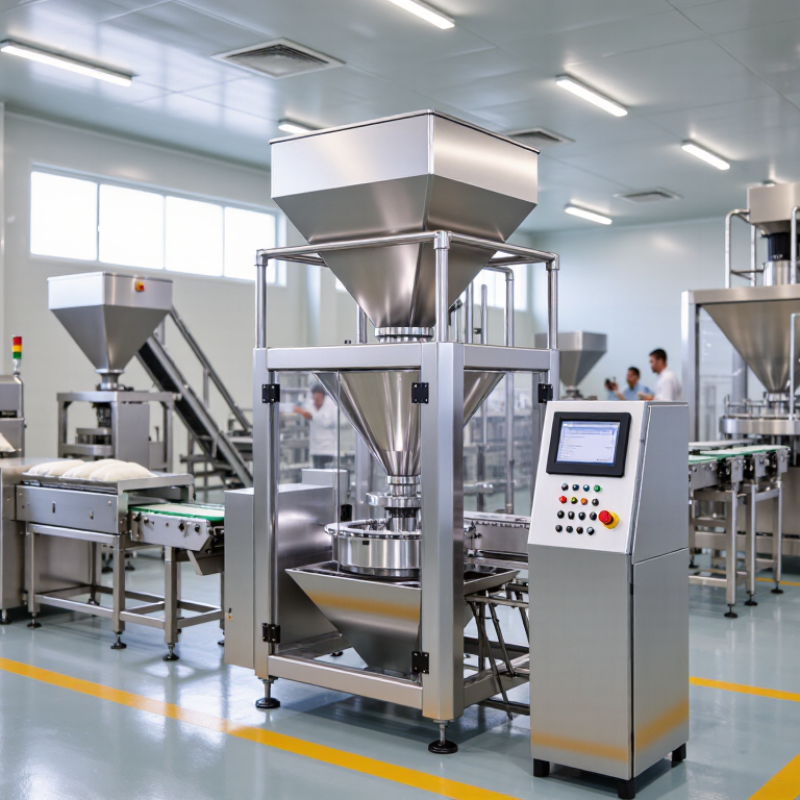
What Is a Vertical Powder Filling Machine?
A vertical powder filling machine measures and dispenses dry, free-flowing or difficult powders into containers. The product moves through a hopper, auger, or servo-driven dosing system. The machine then forms a measured portion before sealing or transferring the package.
It sounds simple. It is not.
Powder behavior changes with humidity, particle size, density, and temperature. Fine material may create dust, while dense powder may bridge inside the hopper. During equipment trials, operators should test the actual product, not a similar-looking substitute. Check fill accuracy, speed, cleaning time, and container stability. Small variations matter.
When choosing a machine in 2026, review the dosing method first. An auger system can provide precise control, while load-cell feedback can improve weight verification. Ask whether the controls record batch data and identify filling errors clearly. Tool-free contact parts may reduce cleaning delays, but they still require careful inspection. Stainless steel construction, sealed electrical areas, and dust-management features support safer operation.
Do not judge performance from speed alone. A fast machine with inconsistent weights creates waste and rework. One overlooked issue is powder flow after a recipe change. A machine that performs well today may need different settings tomorrow. Request documented test results, maintenance guidance, operator training, and service response details. Independent calibration checks are also valuable, especially when product value is high.
A vertical powder filling machine is packaging equipment that doses powdered products into bags or containers through a vertically arranged filling system. Depending on the configuration, it may form bags from roll film, fill premade pouches, or dose powder into bottles and cans. The most important selection factors are powder flowability, target fill weight, required accuracy, production speed, dust control, and packaging format.
| Filling Configuration | How It Works | Typical Fill-Weight Range | Typical Throughput | Typical Accuracy | Best-Suited Powders | Recommended Packaging Format | Main Selection Considerations |
|---|---|---|---|---|---|---|---|
| Auger Filling System | A rotating screw conveys a measured volume of powder from the hopper into the package. Servo-driven augers can adjust dosing speed and provide repeatable control. | Approximately 1 g to 5 kg per fill, depending on the auger size, product density, and machine design. | Approximately 10–60 fills per minute. | Typically about ±0.5% to ±2% of the target weight after calibration; accuracy varies with product consistency and fill size. | Flour, spices, milk powder, protein powder, cocoa, coffee powder, chemical powders, and other free-flowing or moderately cohesive powders. | Roll-film bags, sachets, pouches, bottles, jars, and cans. | Most versatile option Choose auger diameter, screw pitch, hopper design, and agitation according to bulk density and flowability. |
| Gravimetric or Load-Cell Filling System | The product is dosed while the package or receiving vessel is continuously weighed. The controller slows or stops dosing when the target weight is reached. | Approximately 10 g to 25 kg per fill, depending on the weighing platform and product-handling system. | Approximately 5–30 fills per minute. | Commonly about ±0.1% to ±0.5% of the target weight under stable operating conditions. | High-value powders, variable-density powders, difficult-to-flow powders, and products requiring strict weight control. | Large bags, open-mouth sacks, drums, cartons, bottles, and rigid containers. | Highest weight control Allow for stable mounting, vibration control, dust protection, and sufficient settling time before final weighing. |
| Volumetric Cup or Chamber Filler | A measured chamber or cup receives a fixed volume of powder and releases it into the package. The final weight depends on consistent bulk density. | Approximately 1 g to 1 kg per fill, depending on the chamber volume and product density. | Approximately 15–60 fills per minute. | Typically about ±2% to ±5% of the target weight when product density remains consistent. | Free-flowing powders and granular products with stable particle size and bulk density. | Vertical form-fill-seal bags, sachets, pouches, and containers. | Simple and economical Not ideal when the product density changes significantly during storage, conveying, or filling. |
| Vacuum-Assisted Powder Filler | Vacuum or controlled air movement helps draw lightweight or dusty powder into a metering chamber before discharge. | Approximately 0.5 g to 100 g per fill, depending on the product and dosing head. | Approximately 20–80 fills per minute. | Typically about ±1% to ±3% of the target weight, subject to powder aeration and consistency. | Very light, dusty, aerated, or cohesive powders that are difficult to convey using gravity alone. | Sachets, stick packs, small pouches, and small containers. | Good for lightweight powders Use effective filtration, dust extraction, and sealing controls to prevent contamination and leakage. |
| Multi-Head or Multi-Lane Powder Filler | Several dosing heads or lanes operate in parallel to increase output while maintaining separate dosing and sealing paths. | Approximately 1 g to 1 kg per fill, depending on the individual dosing heads. | Approximately 40–200 packages per minute across all lanes. | Typically about ±0.5% to ±2% of the target weight after suitable setup and calibration. | High-volume food, nutraceutical, pharmaceutical, and chemical powders with stable production demand. | Multi-lane sachets, stick packs, small pouches, and parallel container lines. | High-output solution Requires more floor space, changeover planning, synchronization, and maintenance than a single-lane machine. |
Important: The ranges shown are typical industry planning values rather than guaranteed machine specifications. Actual speed and accuracy depend on powder density, moisture, particle size, flowability, target weight, package size, auger design, environmental conditions, and operator setup. Before purchasing, request a product trial using the exact powder and packaging material.
FAQS
Auger filling often handles cohesive powders well and supports fast, repeatable dosing. Test the actual powder first. Flow behavior can change.
Volumetric filling may run faster, but changing bulk density can affect final weight. Speed alone can mislead. Measure rejected containers too.
Gravimetric filling uses load cells to check each dose. It offers stronger weight control but usually needs slower operation and careful calibration.
Review hopper volume, container size, refill frequency, and hourly output together. A large hopper reduces refilling but cannot fix bridging.
Run at least 100 cycles using the actual powder and container. Record average weight, variation, filling time, and rejected units.
Yes. Check both low and high hopper levels. Powder pressure can change dosing behavior. One successful trial is not enough.
Examine auger pitch, hopper geometry, refill access, polished surfaces, and product-contact materials. Small changes can improve consistency more than faster dosing.
Look for recipe management, load-cell feedback, alarm history, user permissions, guards, interlocks, emergency stops, and dust-control provisions. Test the menus.
Request a witnessed acceptance test and measure ten consecutive fills. Check changeover time with real tools. Awkward menus still slow production.
Do not judge speed without checking refill interruptions. A machine may appear efficient while operators clear blocked feed paths. I missed that once.
Conclusion
Choosing a Vertical Powder Filling Machine in 2026 begins with understanding how the equipment handles, measures, and packs powdered products. Start by defining the powder’s flowability, density, moisture sensitivity, and particle characteristics, then match these factors with the required package type, fill range, production volume, and sealing format. Different filling methods offer varying levels of accuracy, speed, flexibility, and capacity, so the best option should balance performance with the product’s behavior and operating targets.
Machine construction is equally important. Review the contact materials, hygienic design, control system, changeover process, dust management, and operator safety features. Beyond the purchase price, consider energy use, cleaning time, spare parts, routine maintenance, regulatory compliance, training, and technical support. A reliable supplier should provide clear specifications, practical testing, installation guidance, and responsive after-sales service. By evaluating the complete lifecycle rather than focusing only on initial cost, businesses can select a Vertical Powder Filling Machine that delivers consistent filling, efficient operation, and long-term value.