0%

A Multi-lane Stick Packing Machine is an automated system designed to form, fill, and seal several narrow stick packs during one production cycle. It commonly handles powders, granules, liquids, and selected viscous products. Multiple lanes operate beside each other, increasing output while using compact floor space. Picture a stainless-steel frame, film unwinding above, and synchronized sealing jaws creating uniform sachets in rapid succession.

The technology reflects wider packaging trends. PMMI’s 2024 State of the Industry report identifies automation, labor availability, and operational efficiency as continuing priorities for packaging manufacturers. Smithers’ The Future of Flexible Packaging to 2028 also highlights flexible formats, lightweight materials, and improved production performance. These findings help explain why stick-pack systems attract food, beverage, nutrition, pharmaceutical, and personal-care producers. However, speed alone does not prove suitability. Product flow, powder dust, seal integrity, film structure, dosing accuracy, and cleaning requirements must be evaluated together.

Small packs. Serious engineering.

In practical terms, the machine may include volumetric cups, auger fillers, liquid pumps, or servo-driven dosing systems. Sensors monitor registration marks, while temperature-controlled jaws create consistent seals. Experienced operators still matter. They adjust settings, inspect samples, and respond to material changes. A poorly matched film can cause wrinkles, weak seals, or unnecessary waste, even on advanced equipment. This article will explain the machine’s structure, working process, applications, benefits, limitations, and selection criteria. It will also question a common assumption: more lanes do not always mean better productivity. Total equipment effectiveness, changeover time, maintenance access, and product consistency deserve equal attention.
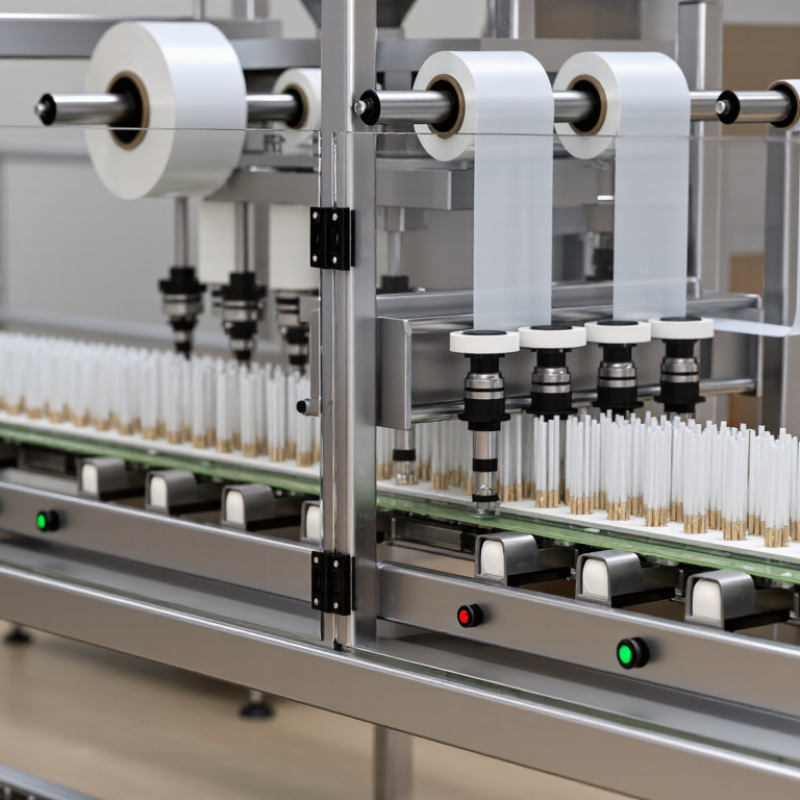
What Is a Multi Lane Stick Packing Machine?

What Is a Multi Lane Stick Packing Machine?

A multi lane stick packing machine forms, fills, and seals several narrow sachets at the same time. It uses multiple forming channels arranged across one frame. Each lane creates a slim stick pack from a continuous film roll. Product enters through measured dosing systems, while heat seals close the top and bottom edges.

This machine suits powders, granules, and some free-flowing liquids. Typical applications include instant drink mixes, sugar, salt, seasoning, and nutritional powders. Lane numbers affect output, footprint, and maintenance requirements. More lanes can increase production speed, but they also demand accurate alignment. A small sealing error may affect several packs at once.

From practical operation, film tension deserves close attention. Uneven tension can create wrinkles, weak seals, or drifting print marks. Operators should check fill weight, seal strength, cutting accuracy, and dust control during each production shift. Cleaning also matters, especially when fine powder settles around dosing parts. The machine is not magic. It needs stable material flow and trained adjustments.

A reliable system should include accessible controls, guarded moving parts, and clear inspection points. It should also support documented quality checks and applicable packaging regulations. Some factories choose too many lanes before confirming demand. That decision can increase waste and complicate changeovers. Careful testing with the actual product often reveals problems that brochures cannot show.

How Does a Multi Lane Stick Packing Machine Work?

What Is a Multi Lane Stick Packing Machine?

A multi lane stick packing machine forms several narrow sachets at the same time. It unwinds roll film, shapes each lane, fills the product, seals the edges, and cuts individual sticks. A programmable controller synchronizes filling, temperature, film movement, and cutting. Sensors check registration marks and detect missing or poorly formed packs. The result is fast, repeatable production with less manual handling.

How Does a Multi Lane Stick Packing Machine Work?

The film passes through a forming collar, creating separate vertical tubes. A dosing system then delivers a measured quantity into every lane. Powder may use an auger, while liquids often use piston or pump fillers. Heat-sealing jaws close the top and bottom sections. A rotary knife separates each stick after sealing. In practice, small differences in powder flow can create uneven weights. Operators still need experience.

PMMI’s 2024 State of the Industry report valued U.S. packaging machinery shipments at about 10.2 billion dollars in 2023. This supports growing investment in automated packing lines. Yet speed alone is not enough. Film tension, seal pressure, product density, and cleaning routines affect output quality. A machine running at 60 or more sticks per minute per lane may lose efficiency during changeovers.

Tips: Check seal strength at startup and during production. Calibrate each filling lane separately. Keep a simple record of waste, downtime, and rejected packs. It reveals problems faster than assumptions. Sometimes, a slower setting performs better.

What Products Can It Package?

A multi lane stick packing machine forms, fills, and seals several narrow sachets in parallel. The format suits products sold in single-use portions: instant coffee, drink powders, sugar, salt, seasonings, sweeteners, and powdered supplements. It can also handle liquids and pastes, including honey, sauces, gels, and concentrated beverages, when fitted with suitable pumps and sealing systems. Small granules, such as soluble drink crystals, may work too. The product must flow consistently and seal cleanly.

Flexible packaging supports many of these uses. Grand View Research estimated the global flexible packaging market at USD 261.10 billion in 2022, reflecting demand across food, beverage, and personal care applications. That figure describes the wider packaging market, not stick packs alone. Product behavior matters more than the machine’s lane count. Fine powders can create dust at the filling point; sticky pastes may leave residue on seals. Both can cause trouble. A practical trial should check fill accuracy, seal strength, product temperature, and how easily the material moves through the dosing system.

The package also needs to protect what is inside. Coffee may require a strong moisture and oxygen barrier, while a sauce needs reliable leak resistance. A machine can produce attractive packs, but it cannot fix a poor film choice or an inconsistent recipe. That part is easy to underestimate. Packaging development should test the actual product, film, and target pack size together before routine production begins.

What Is a Multi Lane Stick Packing Machine? — What Products Can It Package?
Product Category Example Products Typical Stick-Pack Fill Product Form Packaging Considerations
Beverage mixes Instant coffee, tea powder, electrolyte drink mix About 2–20 g Free-flowing or mildly cohesive powder A multi-lane machine can form, fill, and seal multiple slim sachets in parallel. Product flow and dust control influence dosing accuracy.
Sweeteners and sugar Granulated sugar, powdered sugar, tabletop sweetener About 1–10 g Granules or fine powder Volumetric or auger dosing may be selected according to particle size, flow characteristics, and target weight.
Seasonings and condiments Salt, pepper, spice blends, powdered sauce mixes About 1–15 g Granules, powder, or small flakes Contact parts and cleaning procedures should suit the ingredients. Abrasive or dusty products may need appropriate wear and dust-management measures.
Health and nutrition products Protein powder, collagen powder, vitamin drink mixes About 5–30 g Fine or cohesive powder Powder density and flow can vary by formulation. Testing is recommended to confirm fill consistency and minimize product buildup.
Pharmaceutical and personal-care powders Oral rehydration salts, bath salts, powdered supplements About 1–20 g Powder or small granules Equipment design, cleaning, and documentation should match the applicable product and production requirements.
Liquid and gel products Honey, syrups, sauces, gels, liquid supplements About 2–25 ml Free-flowing or viscous liquid A liquid-compatible dosing system and suitable seals are required. Product viscosity and temperature can affect filling performance.
Granular foods Instant soup granules, drink crystals, small food toppings About 2–25 g Free-flowing granules or small particulates Particle size and fragility affect the choice of dosing system and product path. Larger pieces may not suit narrow stick-pack formats.
Non-food powders Detergent samples, cleaning powders, cosmetic powders About 2–30 g Powder or fine granules Material compatibility, dust containment, and separation from other products should be considered during machine selection.
Fill ranges are indicative examples, not machine specifications. Actual capacity, lane count, package dimensions, and filling accuracy depend on the product, film, dosing system, and machine configuration.

What Are Its Main Components and Features?

A multi-lane stick packing machine forms, fills, and seals several narrow sachets in parallel. Its main components begin with a film unwinder, which feeds packaging material through tension controls and a forming collar. The collar shapes each lane into a slim tube. Vertical and cross-sealing jaws then create the sachet edges and separate finished sticks. Product enters through a dosing system, often using augers for powders or pumps for liquids. Small details matter: uneven film tension can cause crooked seals or wrinkled packs.

A control system synchronizes film movement, dosing, sealing temperature, and cutting. Operators typically use a touchscreen to adjust recipes and monitor alarms. Photoelectric sensors track printed registration marks, while guards and interlocks help protect workers near moving parts. Depending on the product, change parts and cleaning access can be just as important as headline speed.

Fast is not always better. The 2023 Grand View Research report valued the global flexible packaging market at US$267.59 billion, reflecting the scale of demand for adaptable pack formats; it does not, however, measure stick-machine performance. Buyers should compare verified output under their own product and film conditions, since advertised speeds may not match sustained production.

How Do You Choose the Right Machine?

Choosing a multi lane stick packing machine starts with the product, not the advertised output. Check its flow, particle size, and sensitivity to heat or moisture. Fine powder may need dust control, while granules must move evenly into each forming tube. Ask for a trial using your actual product. A neat sample matters.

Next, match lane count and speed to real demand. More lanes can raise output, but only when filling, sealing, and downstream handling keep pace. Compare pack dimensions, target weight, film type, and changeover time. Ask how operators adjust dosing and clear a blocked lane. Watch a full run, not just a short demonstration. Small differences show up.

Also consider cleaning access, spare parts, operator training, and the space available around the machine. Request written performance data for your product and package, including acceptable weight variation and expected downtime. Verify how rejects are detected and recorded. A supplier’s estimate is not a guarantee. Some details are easy to overlook, and I would revisit them after seeing the equipment run. If future products may need different pack sizes, confirm the adjustment range before purchase.

FAQS

What does a multi lane stick packing machine do?

It forms, fills, and seals several narrow sachets at the same time. Each lane uses a separate forming channel. Product enters through measured dosing systems. Heat seals close the top and bottom edges. The machine still needs careful adjustment.

Which products can this machine package?

It can package powders, granules, free-flowing liquids, and some pastes. Common examples include drink mixes, sugar, salt, seasonings, and powdered supplements. Suitable liquids may include honey, sauces, gels, and concentrated beverages. The product must flow consistently.

How does product behavior affect machine performance?

Fine powders may create dust around the filling point. Sticky pastes can leave residue on sealing surfaces. Small granules must move evenly through each dosing channel. A trial should check weight accuracy, seal strength, and product movement. Problems often appear later.

How many lanes should a factory choose?

More lanes can increase production speed and output. However, they also require accurate alignment and more maintenance. A small sealing error may affect several packs together. Choose lanes based on real demand, not impressive advertised capacity.

Why is film tension important?

Uneven film tension can create wrinkles, weak seals, or drifting print marks. Operators should watch the film path during every production shift. Proper tension supports cleaner cutting and steadier pack formation. This detail is easy to underestimate.

What quality checks should operators perform?

Operators should check fill weight, seal strength, cutting accuracy, and dust control. They should inspect rejected packs and record repeated problems. Product temperature may also affect sealing performance. Short checks prevent larger waste.

How can a buyer choose the right machine?

Start with product flow, particle size, moisture sensitivity, and heat sensitivity. Match lane count to required output and available floor space. Confirm pack size, target weight, film type, and changeover time. Ask to test the actual product.

What practical details should be reviewed before purchase?

Check cleaning access, spare parts, operator training, guarded moving parts, and inspection points. Ask how staff clear blocked lanes safely. Review written performance data for the actual product and film. A short demonstration proves very little.

Conclusion

A Multi-lane Stick Packing Machine is an automated packaging system designed to produce multiple individual stick packs in one continuous operation. It forms packaging film into narrow tubes, accurately measures and fills the product, seals each stick, and cuts the finished packs into separate units. By handling several lanes at the same time, the machine can improve production efficiency, consistency, and packaging speed while reducing manual labor.

This type of equipment can package a wide range of products, including powdered beverages, sugar, salt, spices, nutritional powders, granules, liquids, and other free-flowing materials. Its main components typically include a film-feeding system, forming units, dosing or filling devices, heat-sealing mechanisms, cutting tools, sensors, and a control interface. When choosing the right machine, users should consider product characteristics, fill volume, package dimensions, required output, material compatibility, cleaning needs, accuracy, and available workspace. A suitable Multi-lane Stick Packing Machine should provide reliable operation, easy adjustment, consistent sealing, and convenient maintenance for long-term production needs.

Vivienne

Vivienne

Vivienne is a professional marketing specialist dedicated to helping businesses understand products, markets, and customer needs through clear, reliable, and practical communication. With strong expertise in the company’s product portfolio, she regularly researches industry trends, evaluates......