Precision Rotary & Form-Fill-Seal Packaging Equipment
Factory-direct engineering for pre-formed stand-up pouches, gusseted bags, sachets, and back-seal formats. Fully certified, customized, and pre-commissioned before international dispatch.
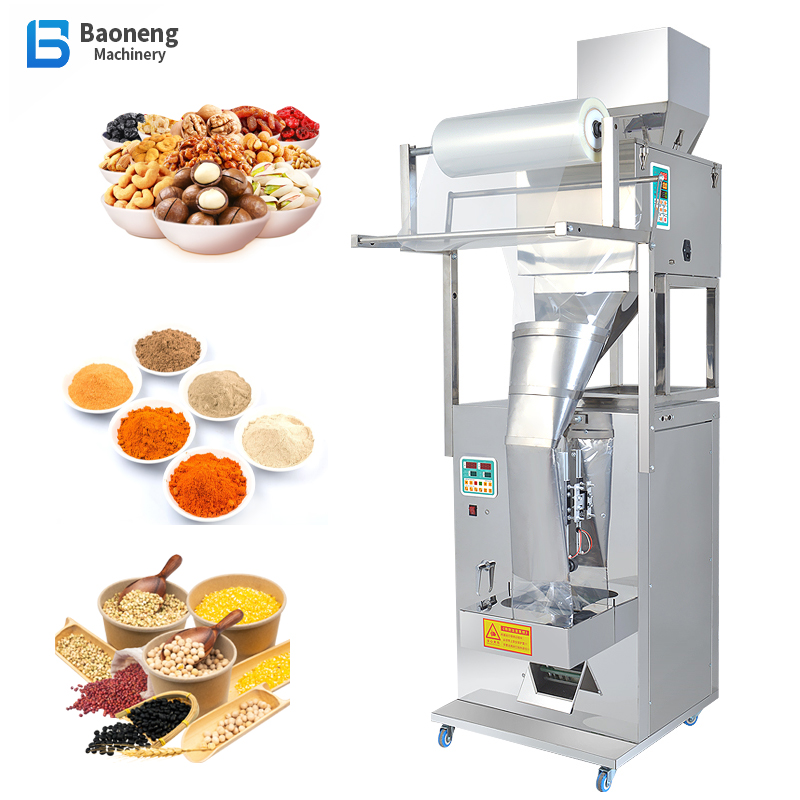
500g Automatic Large Food Pouch Packing Multi-function Machine
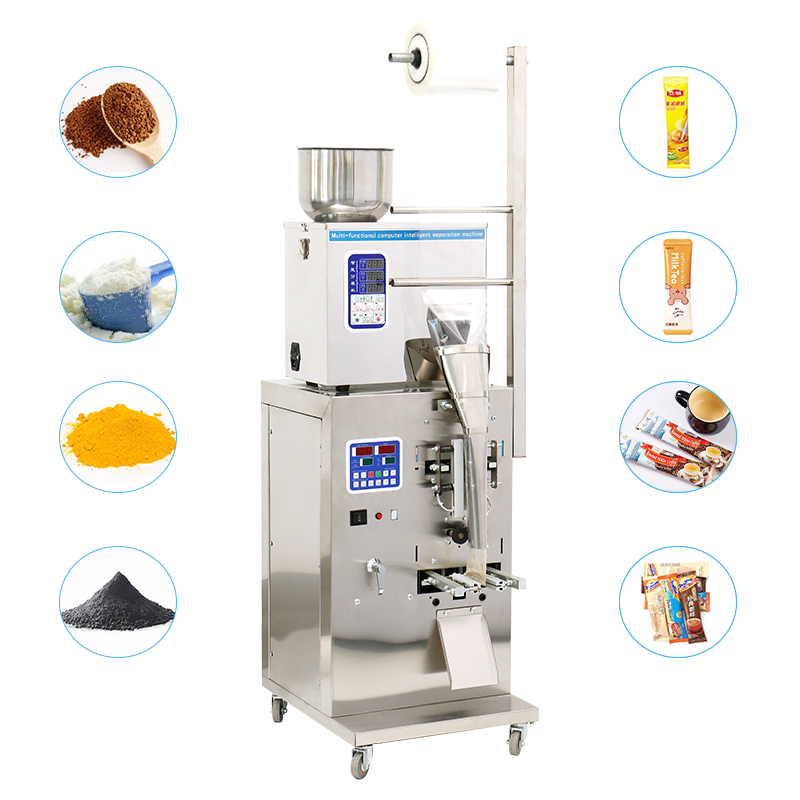
Automatic Food Nuts & Confectionery Pouch Packing Machine
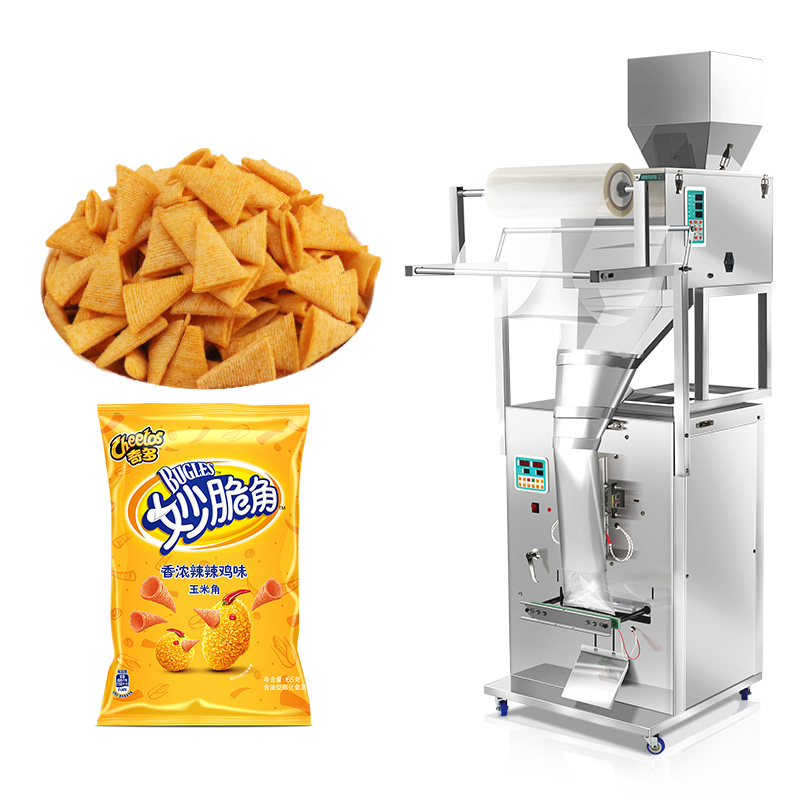
2025 Vertical Plastic & Paper Packaging Machine
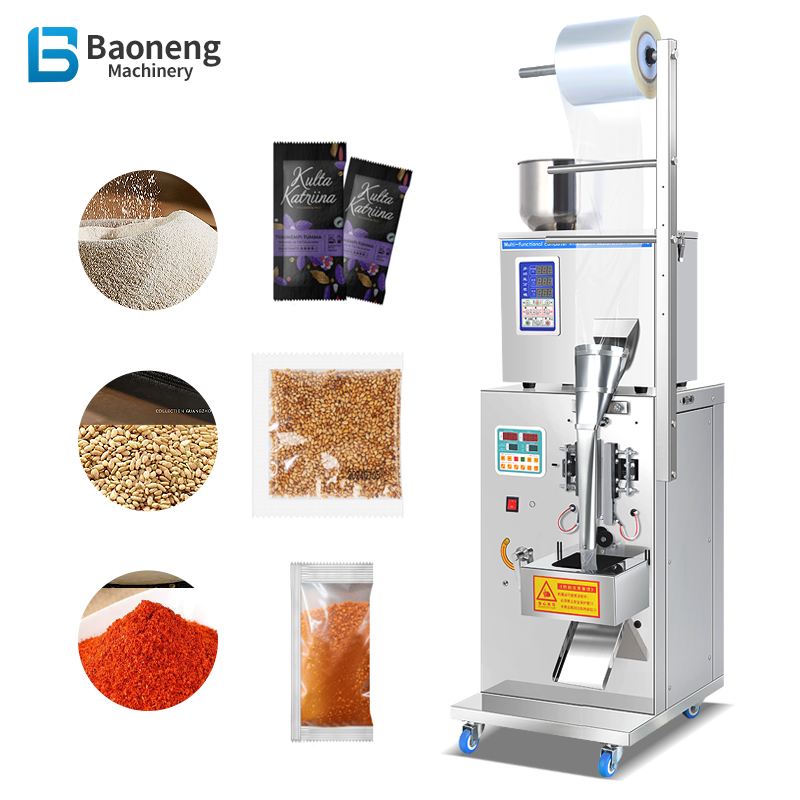
Fully Automatic Food Machinery for Paper Bags & Foil Pouches
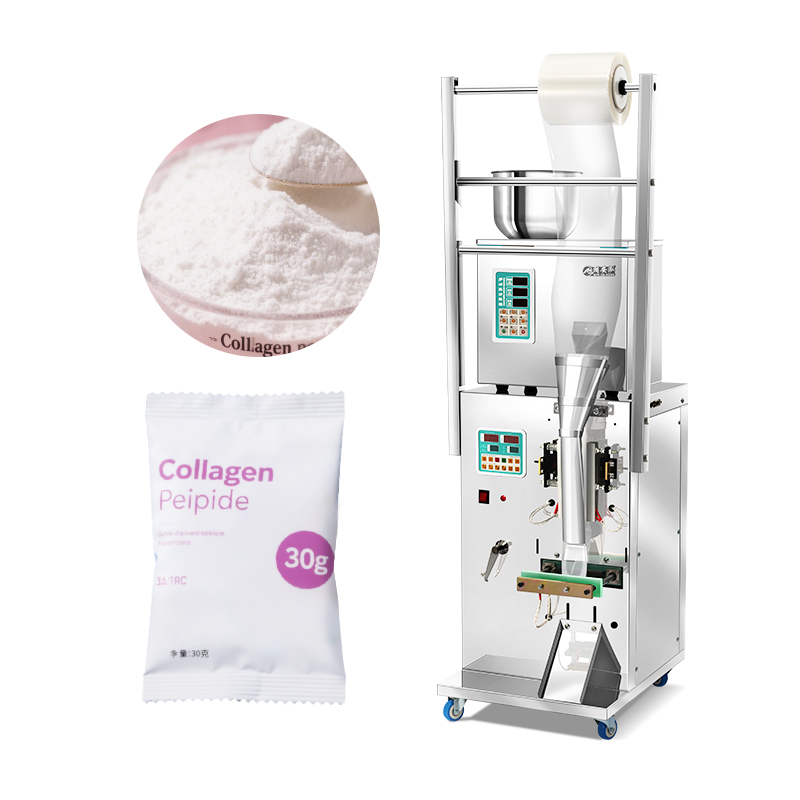
Automatic Back Seal Roll Packaging Machine for Tea & Granules
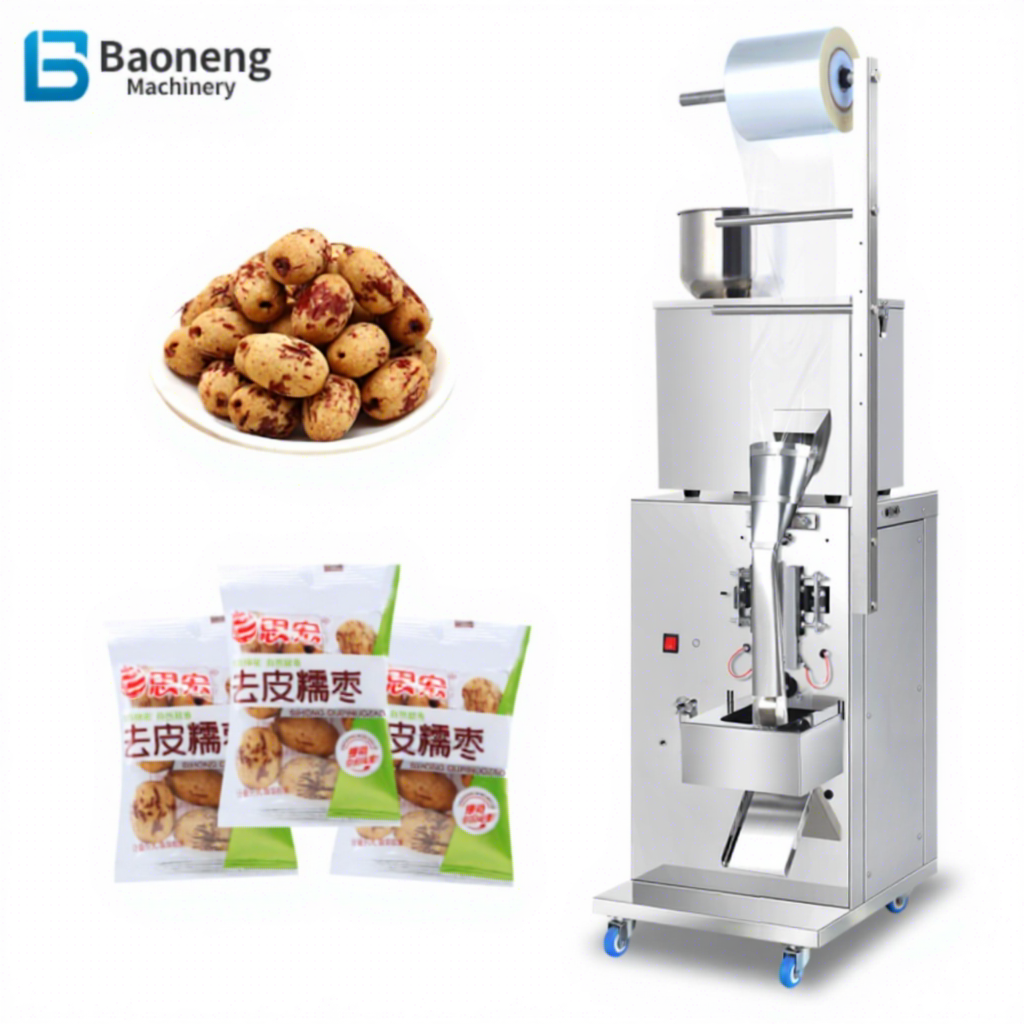
Bean and Nut Sealed Coating & Filling Packaging Machine
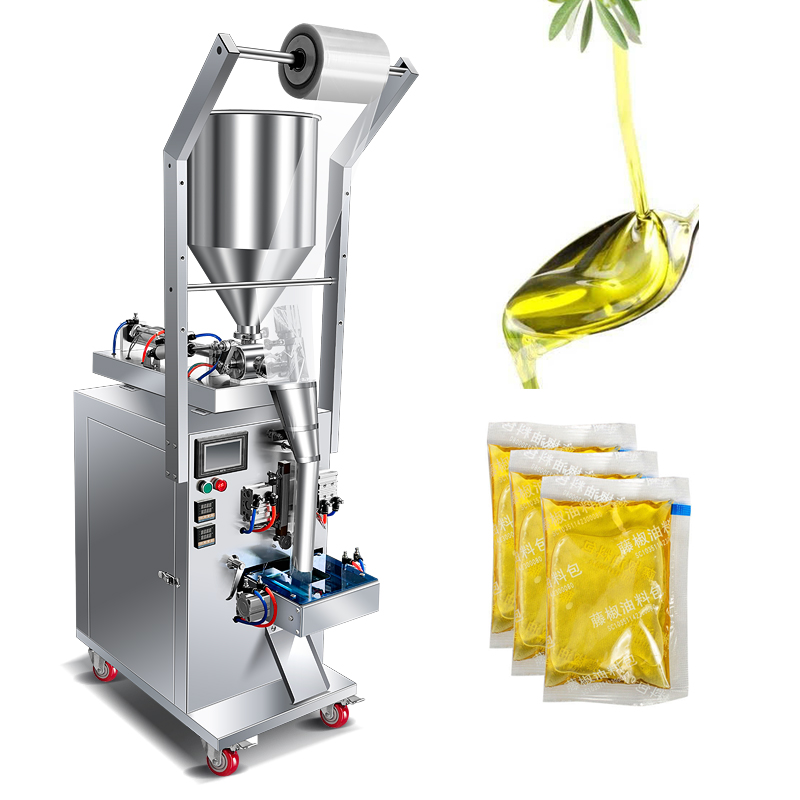
PLC Controlled Flowpack Machine for Biscuits & Solid Food
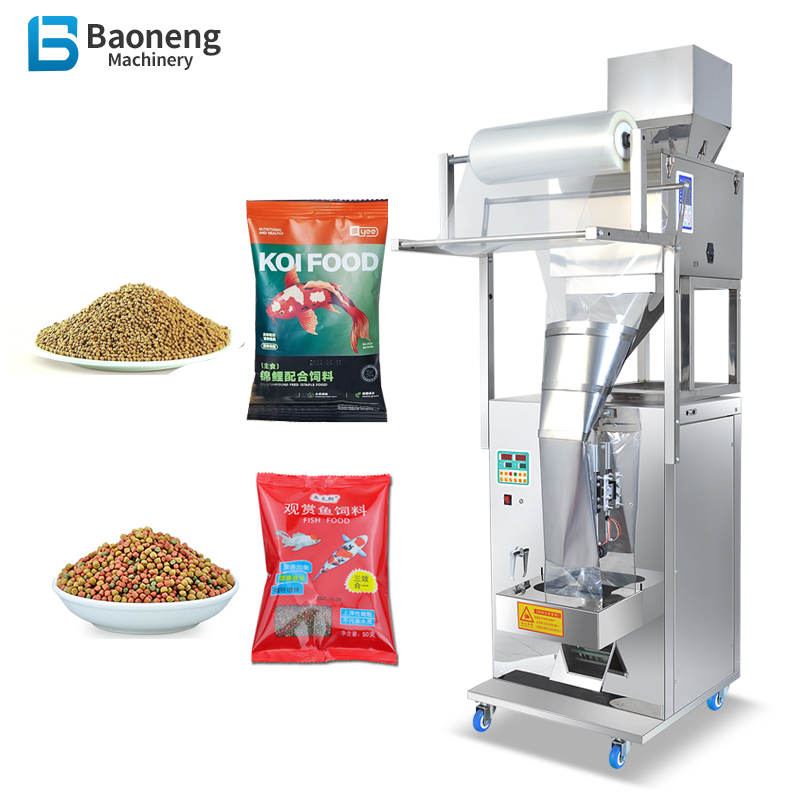
Vertical Packaging Machine for Milk Powder & Micro Powders
Engineering Architecture of CE Certified Rotary Pouch Systems
A rigorous inspection of kinematic indexing, hermetic seal validation, and harmonized European safety compliance for automated flexible pouch operations.
In modern industrial packaging facilities, the rotary premade pouch packaging machine represents the pinnacle of presentation quality, seal integrity, and operational agility. Unlike continuous vertical form-fill-seal (VFFS) equipment, which produces bags directly from flexible roll stock over a forming tube, rotary pouch machines interface with pre-fabricated, retail-ready pouches—including flat 3-side seal sachets, 4-side seal barrier bags, stand-up doypacks, shaped profiles, and reclosable zipper formats. This specialized focus unlocks structural stability and brand elevation that continuous flow systems simply cannot replicate.
However, importing and deploying rotary pouch machinery into high-compliance jurisdictions such as the European Union, the United Kingdom, North America, and Australia demands more than kinematic mechanical speed. Procurement engineers and operations directors must verify stringent compliance with the European Machinery Directive 2006/42/EC, the Low Voltage Directive 2014/35/EU, the Electromagnetic Compatibility (EMC) Directive 2014/30/EU, and applicable harmonized safety norms such as EN 415-3 (Safety of Packaging Machines). Genuine CE certification is not an ornamental label; it represents an exhaustive design and risk-assessment architecture that governs operator safety, electrical insulation, pneumatic fail-safes, hygiene standards, and material tractability.
Harmonized Safety Compliance
Full conformance with EN ISO 12100 risk assessment methodologies, interlocked polycarbonate guarding, dual-channel emergency stop circuits with safety relays (SIL 2 / PL d), and automated pneumatic pressure dump systems.
8-to-10 Station Mechanical Cam Indexing
High-torque barrel cam indexers deliver precise dwell-time synchronization. Stations encompass pouch pick-up, date coding, zipper opening, top air blast, nitrogen purge, precision dosing, ultrasonic/heat sealing, and cooling discharge.
Sanitary SS304/SS316 Contact Metallurgy
Engineered for food, nutraceutical, and cosmetic hygiene. All contact contact points, product hoppers, and dosing nozzles are manufactured from electropolished AISI 316 or AISI 304 stainless steel with surface roughness Ra < 0.4 µm.
Kinematic Workflow of an 8-Station Rotary Pouch Carousel
To grasp why rotary pouch equipment delivers superior packaging integrity, industrial procurement teams must examine the sequential station-by-station progression that occurs during every single machine cycle. In an automated rotary system, pneumatic suction arms extract a flat, pre-made pouch from an inclined magazine and feed it vertically into heavy-duty mechanical gripper arms. These grippers hold the pouch on both lateral edges with continuous, calibrated tension throughout the carousel rotation.
Station 1: Pouch Pick-up & Feeding: Vacuum suction cups pick the premade pouch from an adjustable infeed magazine. Optical fiber sensors verify single-pouch acquisition. If no bag is detected, downstream dosing stations are automatically suppressed to avoid product loss and line contamination.
Station 2: Ribbon / Inkjet / Laser Coding: Batch numbers, expiry dates, and 2D QR matrix codes are applied to the flat pouch surface before filling, ensuring zero distortion and 100% optical OCR legibility.
Station 3: Zipper Opening & Pouch Detection: For reclosable doypacks, dual micro-claws grasp and pull open the internal mechanical zipper while lower suction cups expand the bottom gusset. A high-sensitivity sensor checks whether the bag has opened completely.
Station 4: Product Dosing & Nitrogen Flushing: The dosing nozzle descends deep into the pouch throat. Depending on the product morphology, an auger filler (for non-free-flowing powders), a multi-head combination weigher (for nuts and candies), a positive-displacement piston filler (for sauces and honey), or a liquid peristaltic pump delivers the exact target weight. Concurrently, high-purity nitrogen gas (N2) flushes the pouch interior to lower residual oxygen below 1.5% for extended shelf life.
Station 5: Settling & Second Dosing: Mechanical vibrating bars tap the base of the pouch to settle low-density powders or bulky snacks, ensuring clear top headroom for thermal sealing.
Station 6: Deflation, Dust Extraction & Pre-Sealing: Vacuum bars remove air entrapment or airborne dust particles from the seal zone. Clean seal lips prevent micro-channel leakage.
Station 7: Primary Heat Sealing: Brass or copper heating blocks apply uniform pressure and PID-controlled heat (up to 220°C, regulated to ±1°C) to fuse the internal polyethylene or polypropylene sealant layer.
Station 8: Quenching (Cooling) & Discharge: Chilled water or cold air cooling jaws compress the warm seal seam instantly, preventing thermal deformation, film curl, and mechanical embrittlement before ejecting the finished pouch onto the takeaway conveyor.
Future Procurement Trends in Rotary Pouch Machinery (2025–2030)
How automation directors, co-packers, and brand owners are mitigating supply chain vulnerabilities, slashing energy consumption, and achieving sustainable packaging milestones.
Mono-Material Film Compatibility
Global plastic taxes and EPR regulations require machines to seal all-PE or all-PP laminates. Modern rotary machines feature narrow heat curves (±1.5°C) to prevent burn-through on delicate bio-polymers.
Multi-Axis Direct Servo Drives
Phasing out mechanical drive chains in favor of multi-axis servo controllers. Servo-driven sealing jaws allow variable dwell timing, pressure modulation, and electronic bag width adjustment directly via HMI.
Integrated Vision Quality Gates
Line cameras monitor zipper alignment, seal edge contaminations, and lot code legibility at full operating velocity (up to 80 bpm), automatically rejecting defective pouches without halting packaging cadence.
IoT Tele-Diagnostics & Industry 4.0
Secure cloud telemetry via Ethernet/IP or Profinet provides remote operational analytics, preventative maintenance prompts for vacuum valves, and instant overseas engineering diagnosis.
Rotary Pouch vs. Inline Machine vs. Vertical Form-Fill-Seal (VFFS)
Benchmark mechanical performance, capital expenditure, and package aesthetic quality before formalizing factory procurement orders.
| Evaluation Parameter | Rotary Premade Pouch Machine | Horizontal Inline Form-Fill-Seal | Vertical Form-Fill-Seal (VFFS) |
|---|---|---|---|
| Pouch Presentation Quality | Premium retail look; pristine gusset expansion; flawless reclosable zippers. | Good presentation; high seal uniformity; moderate zipper complexity. | Standard pillow bags; gusseted bags look utilitarian; zipper add-on is complex. |
| Film / Material Waste | < 0.2% (Premade bags; zero trim loss during pouch formation). | 2.0% – 4.5% (Edge trim and seal test cut-offs during web alignment). | 1.5% – 3.0% (Roll start-up scrap, tracking waste, end-of-reel cuts). |
| Footprint & Layout Efficiency | Compact circular layout (~2.4m x 1.8m); exceptional space utilization. | Long linear profile (5.5m – 9.0m); requires massive plant floor corridor. | Vertical footprint; requires high factory headroom (4.0m – 6.5m). |
| Size Changeover Downtime | 10 – 20 minutes (Motorized gripper auto-adjustment via PLC). | 45 – 90 minutes (Mechanical realignment of folding boards and dies). | 30 – 60 minutes (Heavy forming tube replacement and tracking tuning). |
| Throughput Speed (Single Lane) | 35 – 85 pouches/min (Intermittent rotary dwell indexing). | 60 – 120 pouches/min (Continuous linear web movement). | 50 – 140 bags/min (Continuous motion roll feeding). |
| Product Flexibility | Extremely high (Can switch between liquids, pastes, granules, and powders). | Moderate to High (Requires dedicated tooling per dosing setup). | High for dry goods, moderate for liquids and pastes. |
| Compliance Validation (CE / Safety) | EN 415-3 standard enclosed enclosure; low vibration; ergonomic bag load. | Complex interlocked barrier guards along extended conveyor bed. | Requires elevated working platforms and ladders compliant with EN ISO 14122. |
Quanzhou SAM Machinery Equipment Co., Ltd.
Founded in 2019 in Fujian, China, Quanzhou SAM Machinery Equipment Co., Ltd. has established itself as an authoritative custom manufacturer of automated filling, sealing, and pouch packaging machinery. With an onsite inspection and verification audited by TÜV Rheinland, our manufacturing operations adhere to the highest standard of international engineering excellence.
Our integrated fabrication lines leverage precision laser metal cutting, automated CNC press brakes, specialized argon arc welding, and mirror-polishing workshops to guarantee structural rigidity and sanitary surface finishing for every unit built.
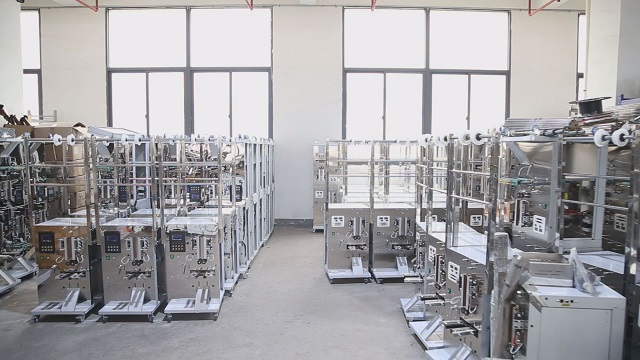
SAM Onsite-Audited Facility & Mechanical Testing Workshop, Fujian
Frequently Asked Questions by Industrial Machine Buyers
Essential guidance on CE declaration, film-sealing window validation, factory acceptance testing, and international shipping protocols.
What documentation validates a rotary pouch machine as genuinely CE certified?
How does the rotary pouch machine handle different pouch styles (doypack, zipper, 4-side seal)?
Can SAM packaging machines reliably process recyclable mono-material films?
What dosing systems can be integrated into the rotary packaging carousel?
- Multi-Head Combination Weighers: For snacks, potato chips, confectionery, nuts, frozen dumplings, and irregularly shaped solids.
- Servo-Driven Auger Fillers: For milk powder, matcha powder, coffee powder, pharmaceutical formulations, spices, and flours.
- Piston & Rotor Pumps: For ketchup, mayonnaise, honey, chili paste, shampoo, and high-viscosity emulsions.
- Magnetic Flow Meters & Peristaltic Pumps: For drinking water, fruit juices, liquid detergents, edible oils, and alcoholic beverages.
What is the standard Factory Acceptance Testing (FAT) procedure before export shipment?
What are the typical utility requirements (power, air, nitrogen) for standard rotary lines?
What warranty, spare parts, and after-sales field support are provided internationally?
What are the accepted international commercial terms (Incoterms) and payment methods?
Ready to Engineer Your Custom Rotary Pouch Line?
Send us your pouch dimensions, target filling weight, material viscosity, and output requirements. Our application engineering team will provide a comprehensive project schematic, machine layout, and commercial quotation within 24 hours.