High-Efficiency Liquid & Flexible Packaging Equipment Portfolio
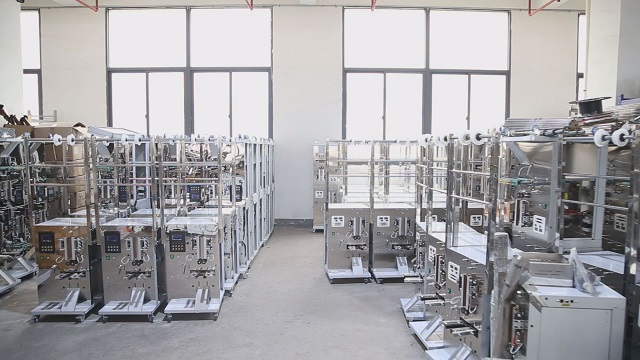
Direct from our Quanzhou ISO-compliant assembly hub. Every machine features precision CNC machining, anti-cavitation dosing pumps, and modular formers for sachet, stick, pillow, and doypack workflows.
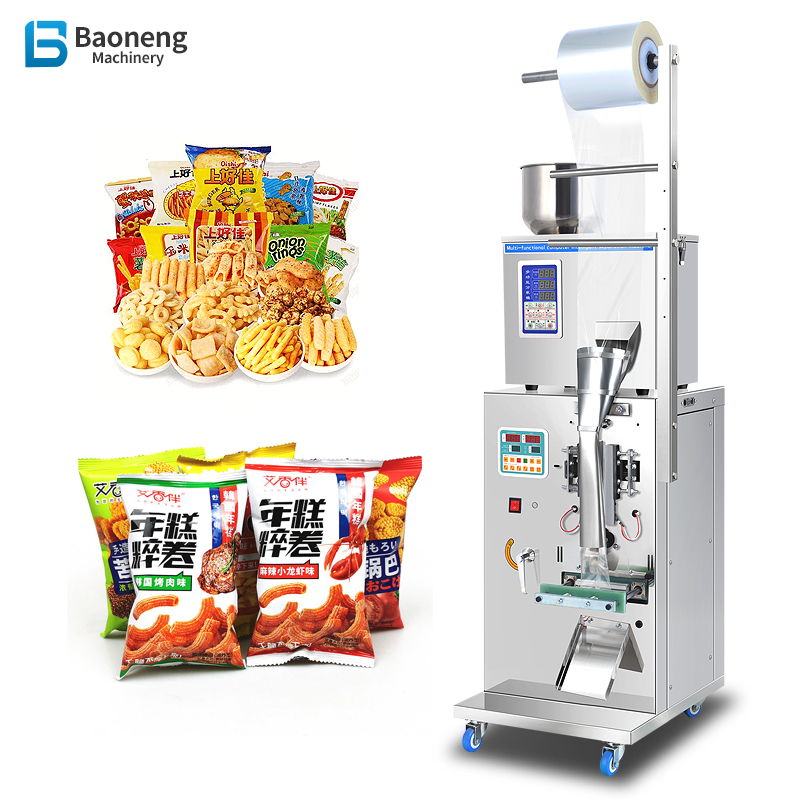
Fully Automatic Small Multifunctional Vertical Nitrogen Bag Packaging Machine
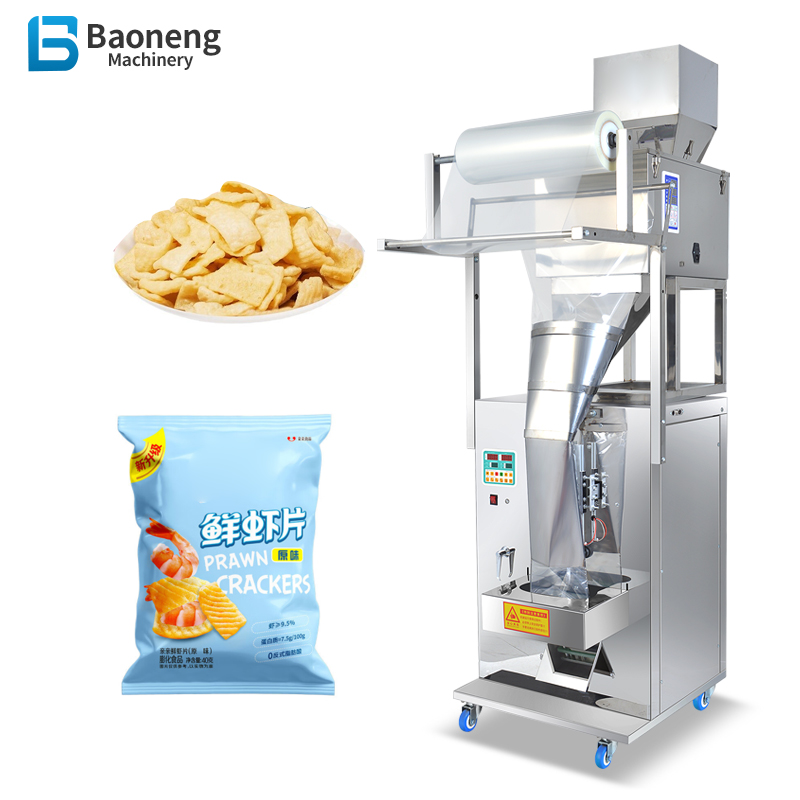
Small Automatic Pure Water & Beverage Liquid Sachet Packaging Machine
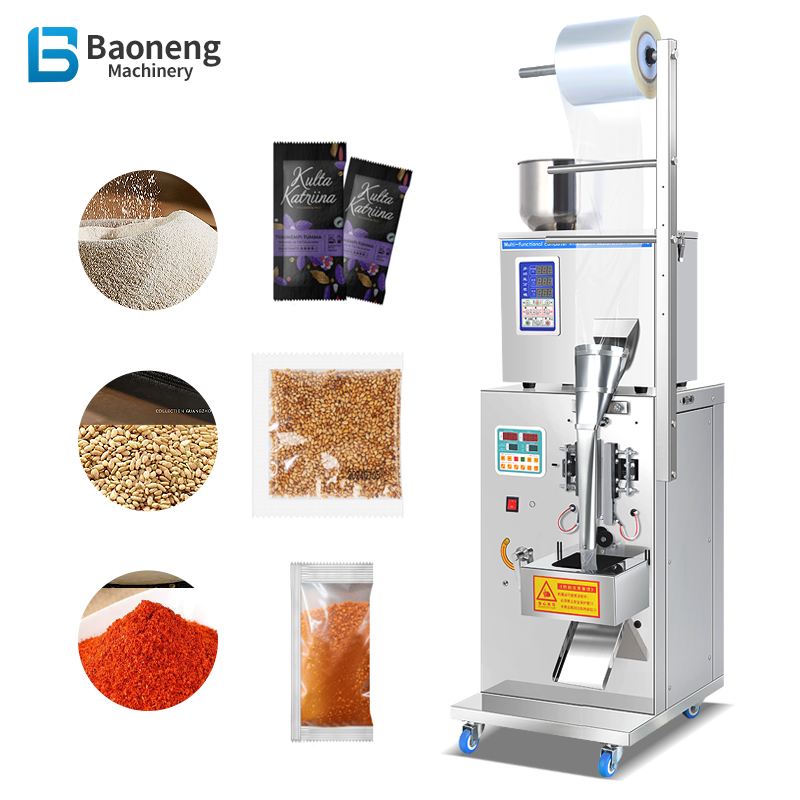
Fully Automatic High-Speed Food Pouch Filling & Heat Sealing System
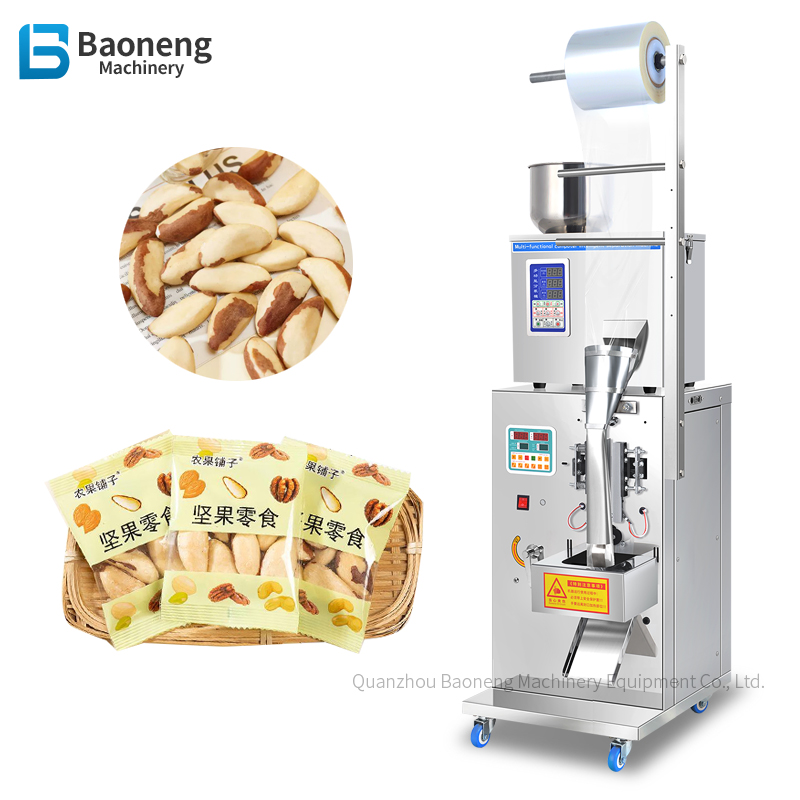
Electric Automatic Continuous Bottle & Bag Thermal Sealing Machinery
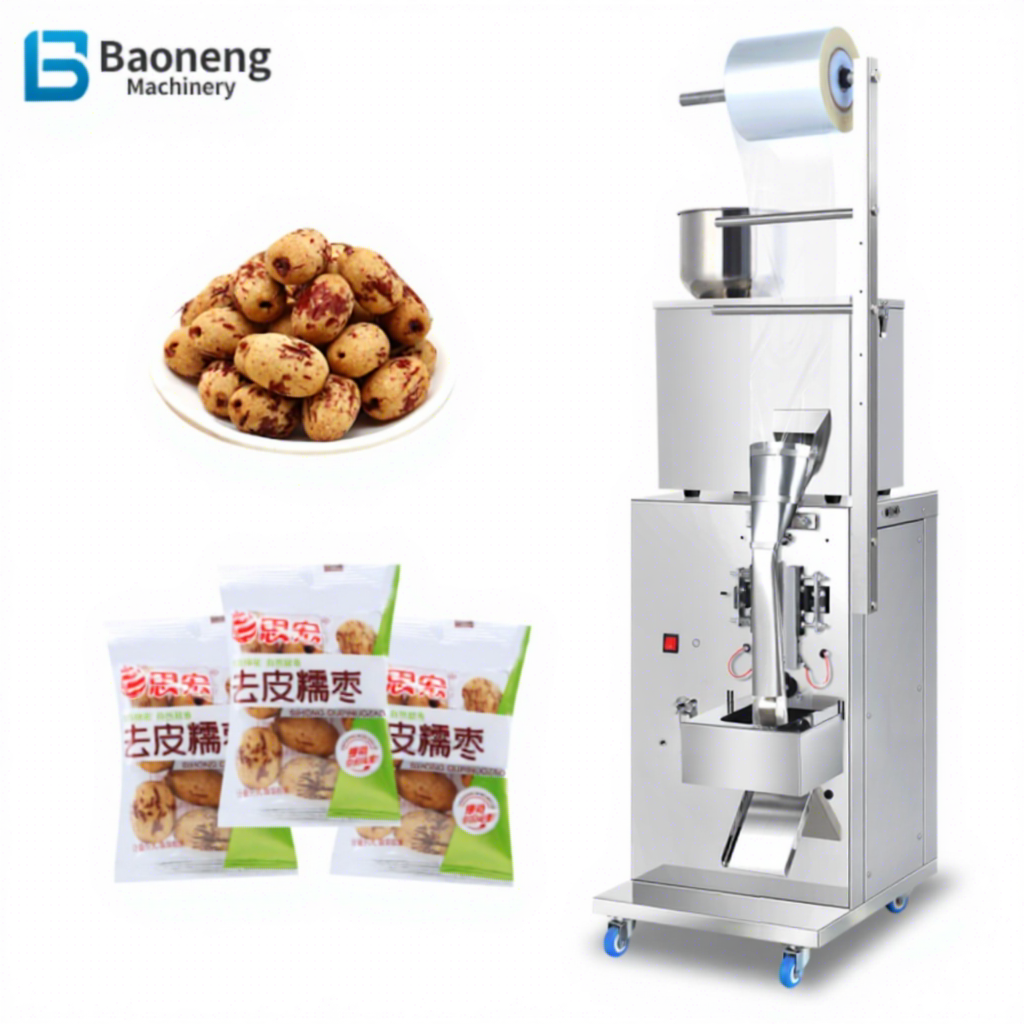
Automatic Heavy-Duty Pouch Packaging Machine for Food & Viscous Blends
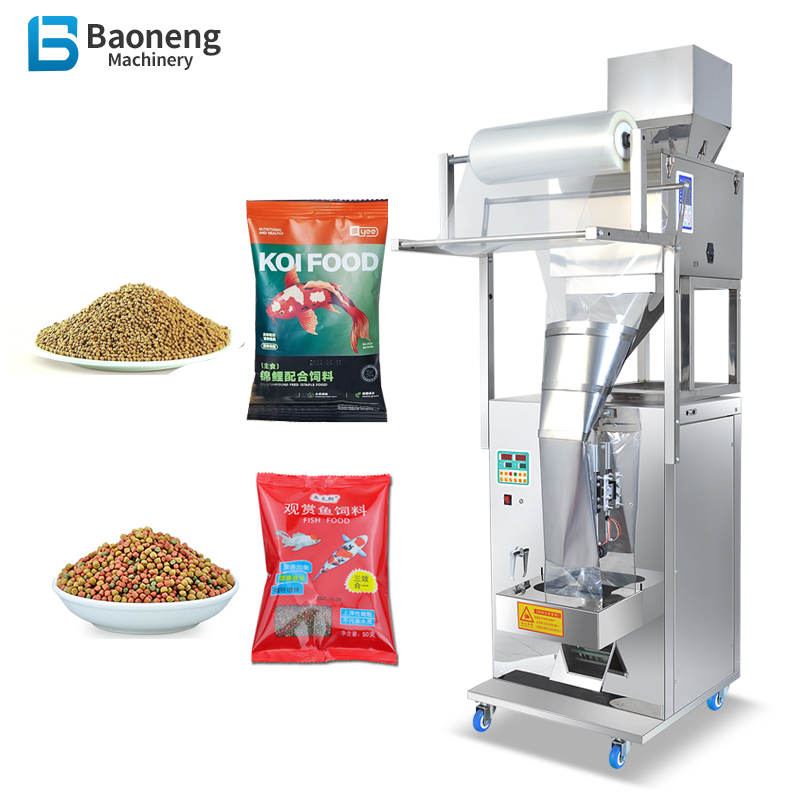
Vertical Form-Fill-Seal Packaging Line with Closed-Loop Powder Metering
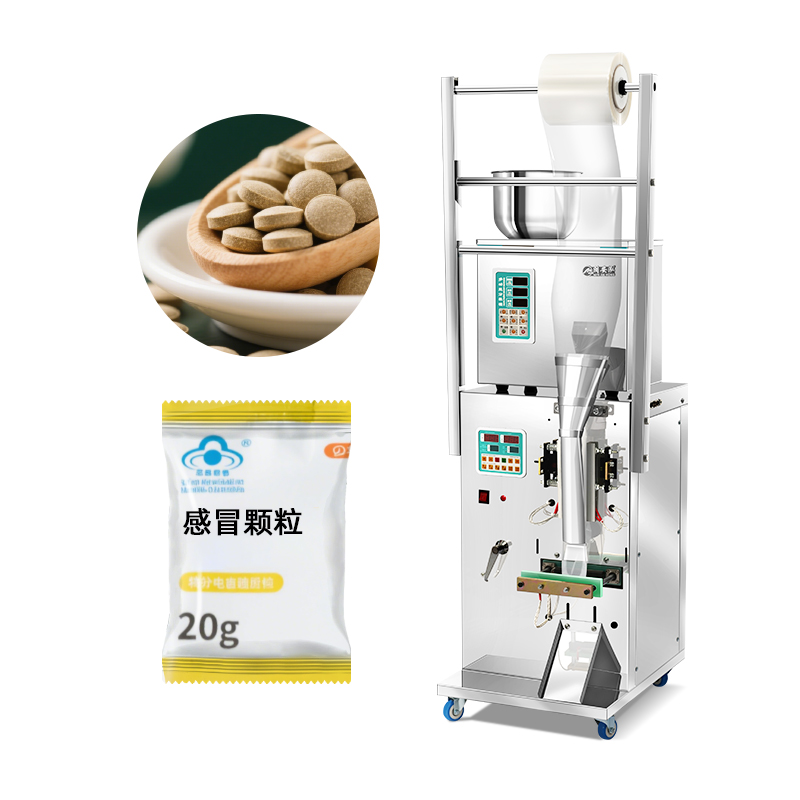
Vertical High-Precision Micro-Dosing Sachet Pack Machine (2g–100g)
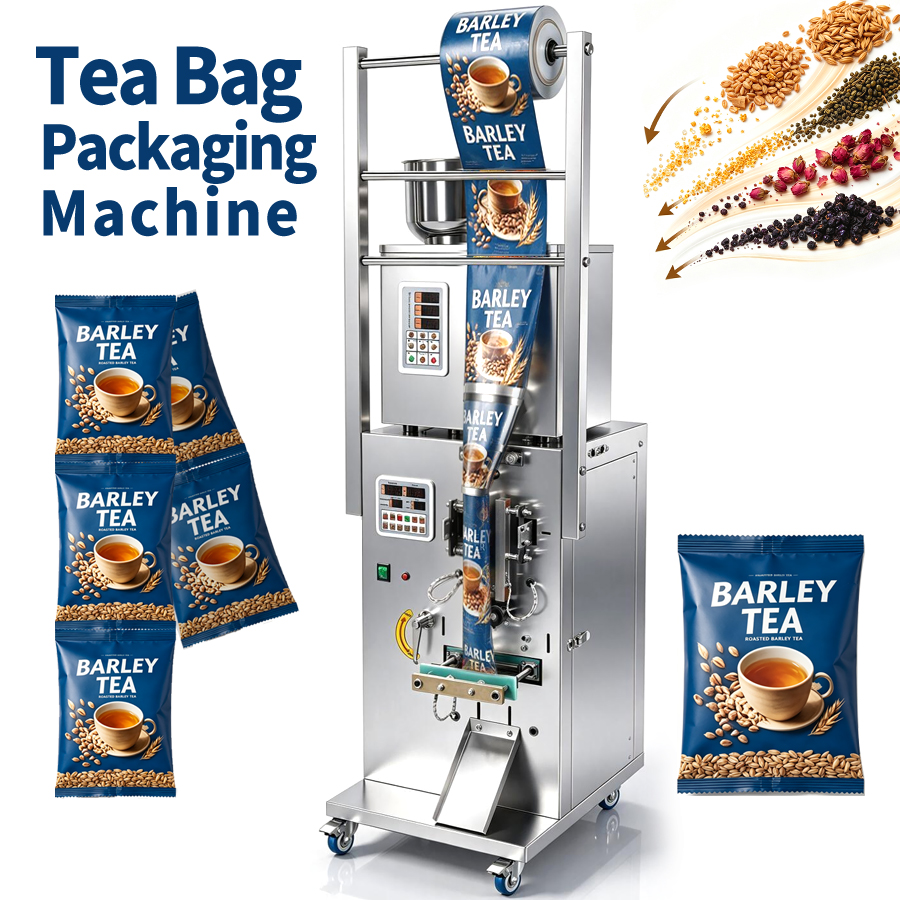
Automatic Continuous Roll Film Form Fill & Seal Machine for Pouches
Quanzhou SAM Machinery: Engineering Fluid Reliability & Automation Prowess
Founded in 2019 in Fujian, China, Quanzhou SAM Machinery Equipment Co., Ltd. has scaled into an internationally recognized designer and original equipment manufacturer of automated pouch packaging machinery. We maintain a modern 4,800 m² heavy-machinery production complex staffed by 72 skilled technicians, automation specialists, and certified mechanical engineers.
Unlike trading brokers, SAM retains full ownership over internal manufacturing processes—laser profiling, CNC bed milling, bending, TIG welding, hygienic electropolishing, and dynamic runtime debugging. Every packaging machine is engineered under the stringent safety guidelines of the European Union Machinery Directive 2006/42/EC, compliant with RoHS, and calibrated for 24/7 duty cycles across food, dairy, cosmetic, and chemical applications.
From micro-dose stick packs to high-capacity rotary premade doypacks, our filling systems integrate closed-loop feedback controllers, anti-drip valve blocks, and intelligent temperature profiles, safeguarding seal integrity even across delicate mono-material films.
Fluid Rheology & Mechanical Metering Integration Guide
A rigorous engineering reference detailing pump architecture, valve mechanics, and film sealing thresholds across varying viscosity gradients.
| Fluid Classification | Viscosity Range (cP) | Metering Subsystem Architecture | Optimal Seal Metallurgy & Jaw Profile | Critical Processing Vulnerability |
|---|---|---|---|---|
| Aqueous & Free-Flowing Spring Water, Juices, Soy Milk |
1 – 50 cP | Centrifugal or servo-actuated magnetic flowmeter with rapid cut-off diaphragm | Continuous heat seal brass jaws with anti-stick Teflon matrix (1.5mm flat band) | Hydrodynamic splashing; liquid ingress along cross-seals compromising film bond |
| Semi-Viscous Liquids Edible Oils, Shampoos, Liquid Detergent |
50 – 2,500 cP | Pneumatic positive-displacement rotary lobe or volumetric piston system | Pneumatic cushioned sealing jaws with serrated diamond grid pattern | Tail pull-back capillary draw causing oil contamination on longitudinal seals |
| Non-Newtonian Pastes Tomato Paste, Honey, Chili Sauces |
2,500 – 45,000 cP | Heavy-duty 316L servo-driven rotary piston with jacketed thermal agitation hopper | Dual-zone heated nichrome impulse jaws with independent PID thermistors | Thermal stratification, air entrapment, cavitation inside intake valves |
| Particulate Suspensions Salad Dressings, Sambal, Fruit Pulp |
1,000 – 15,000 cP | Dual-stage bypass rotary piston with enlarged non-shear valve orifice | High-pressure hydraulic or heavy toggle mechanical jaw with scrap evacuation | Crushing solids within the sealing lip resulting in pinholes and shelf-life failure |
Emerging Procurement & Technological Trends in Liquid Pouch Machinery
Strategic analysis on the operational factors reshaping procurement decisions through 2026–2030.
1. Mono-PE & PP Recyclable Film Transition
Global extended producer responsibility (EPR) regulations are compelling manufacturers to phase out non-recyclable multi-material metallized laminates (PET/AL/PE). In response, advanced liquid pouch machines are being re-engineered with ultra-narrow thermal process windows (±1.5°C), servomotor-synchronized jaw closures, and precise web tension controls to weld thin recyclable mono-materials without elongation or thermal puckering.
2. Servo Direct-Drive vs. Pneumatic Assemblies
Legacy machines relied heavily on pneumatic cylinders for pulling and cross-sealing, resulting in air consumption costs and mechanical drift. Procurement trends show a decisive shift toward multi-axis full servo drive architectures (e.g., Schneider or Omron platforms). This transition eliminates mechanical linkages, slashes electrical consumption by up to 28%, and enables real-time stroke and velocity modulation directly via touchscreens.
3. CIP/SIP Sanitization & 316L Fluid Circuits
To eliminate cross-batch microbial hazard and reduce changeover downtime from hours to minutes, modern procurement prioritizes automated Clean-in-Place (CIP) and Steam-in-Place (SIP) compatibility. Industrial packaging lines must now feature electro-polished AISI 316L contact zones, tri-clamp hygienic connections, and blind-pocket-free fluid pathways that resist aggressive caustic washdowns.
The SAM Manufacturing Advantage: Built for Unbroken Duty Cycles
Why leading industrial operations across 30+ countries designate Quanzhou SAM as their strategic OEM packaging supplier.
TÜV Onsite Validation
Every claim regarding capacity, floor space (4,800m²), workforce, and tooling is verified onsite by TÜV Rheinland. We offer open video factory tours and full pre-shipment FAT testing protocols.
Turnkey Tooling & Customization
Whether you require odd-shaped spout bags, specialized tear notches, nitrogen injection manifolds, or custom multi-lane lane spacing, our internal R&D team engineers custom tooling directly from your CAD drawings.
CE & 2006/42/EC Conformity
Our packaging machinery complies rigorously with European mechanical health and safety directives. Standard safety interlocks, emergency de-energization relays, and low-voltage operator panels are built in.
Global Parts & Remote Telemetry
Standardizing on internationally available components (Schneider, Omron, SMC, Airtac) ensures rapid local replacement. Integrated cloud-enabled remote diagnostic modules speed field troubleshooting.
Frequently Asked Questions: Global Sourcing & Integration
Objective technical answers covering MOQ, FAT trials, viscosity handling, and international delivery workflows.
Is Quanzhou SAM Machinery a dedicated factory or an export intermediary?
How do you engineer liquid packaging machines to prevent product seepage in heat seals?
Can we conduct a Factory Acceptance Test (FAT) with our own product and film before delivery?
What are your standard Minimum Order Quantities (MOQ) and lead times?
What international commercial trade and payment terms do you support?
How is overseas after-sales support and spare parts replenishment handled?
Accelerate Your Packaging Line Efficiency
Send our senior engineering group your product viscosity, pouch dimensions, film structure, and targeted throughput (BPM). We will prepare a customized technical proposal and budget analysis within 12 business hours.
Get Catalog