Engineered Sachet Machinery: Recommended Industrial Configurations
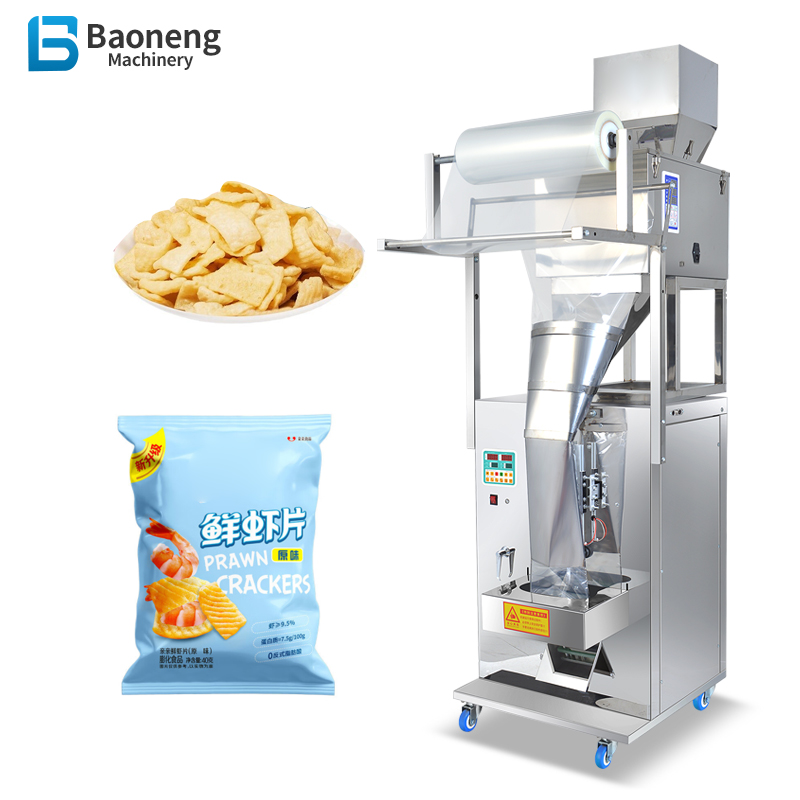
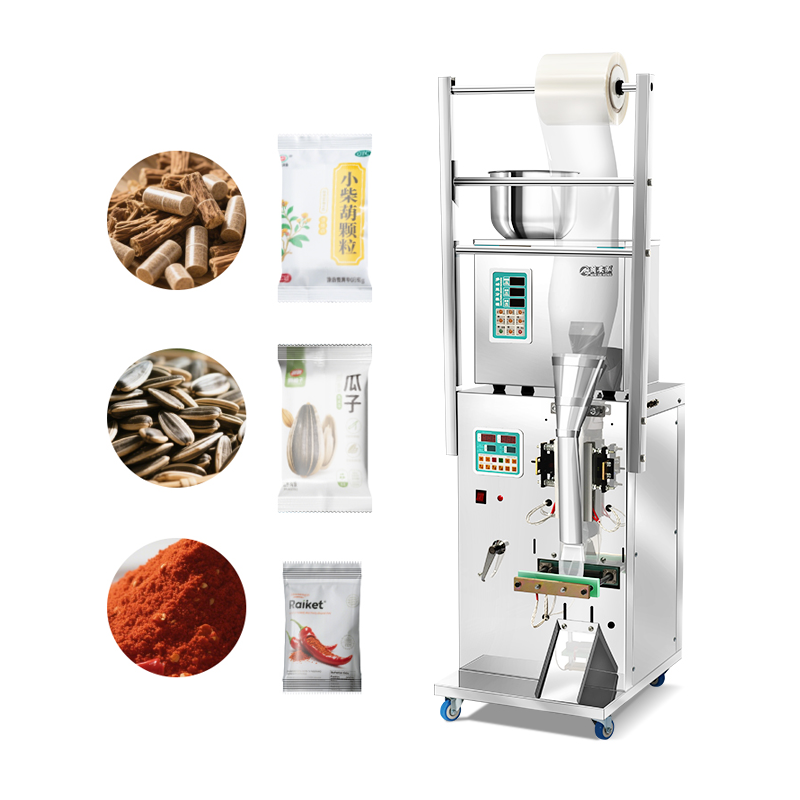
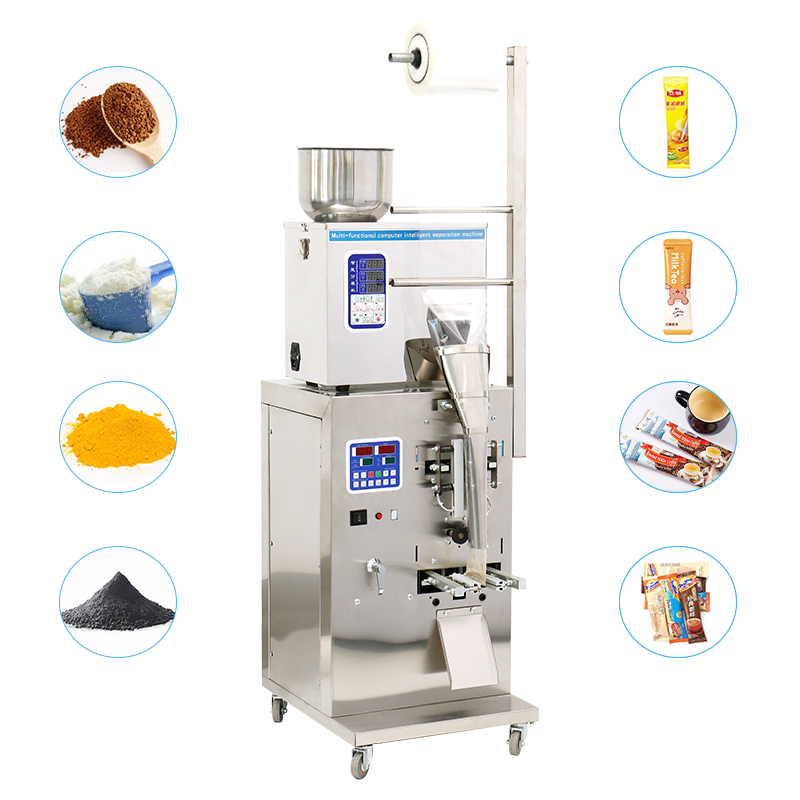
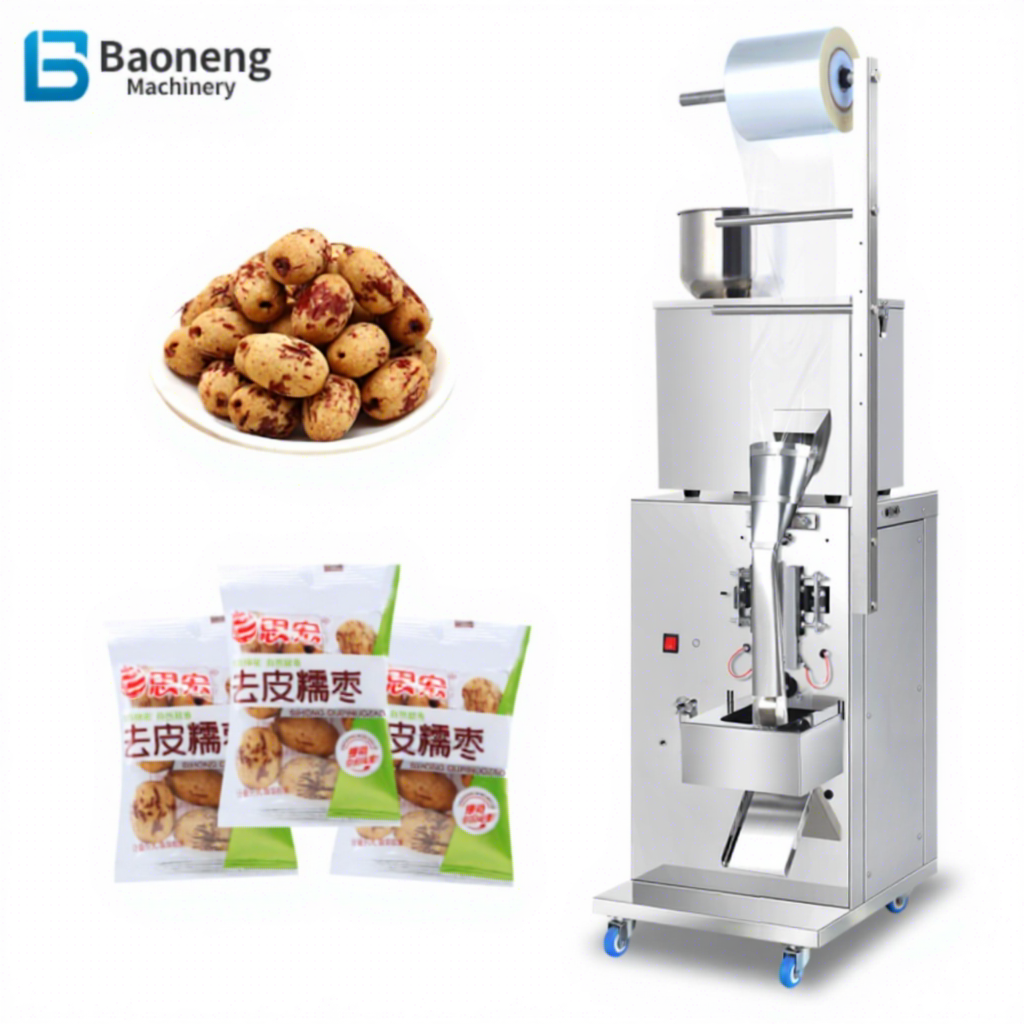
Customized from modular stainless-steel architectures, our high-precision packaging machines meet demanding food, pharmaceutical, and chemical hygiene standards with hermetic seal integrity.
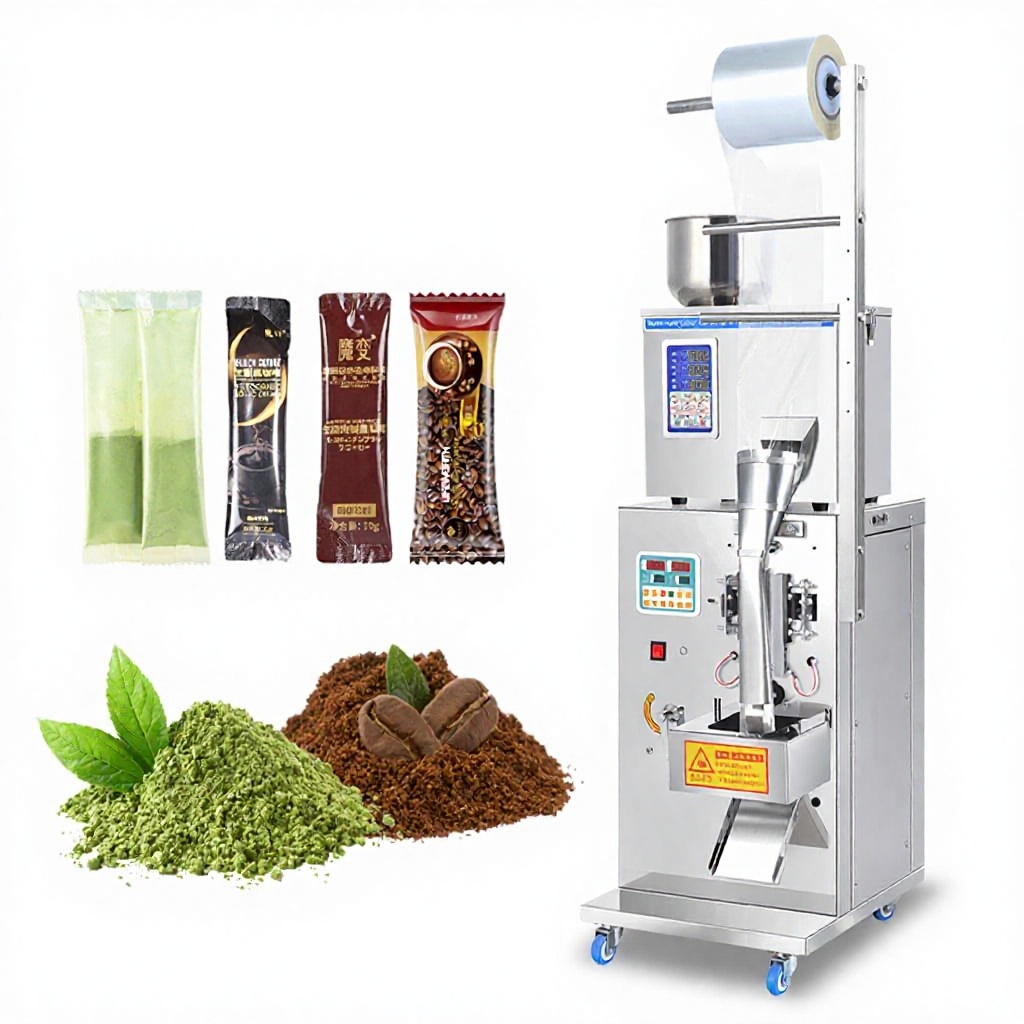
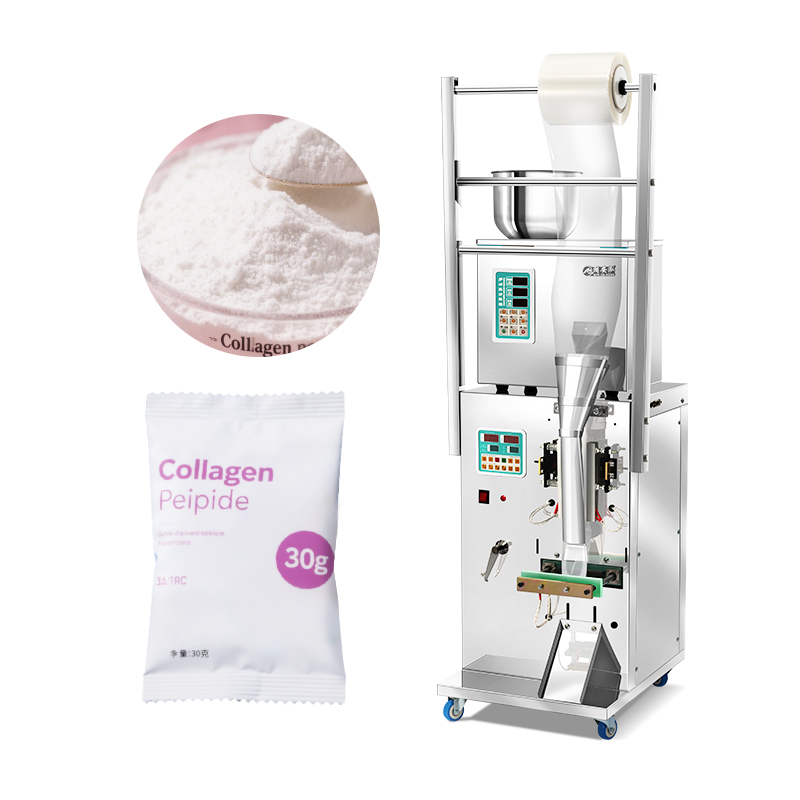
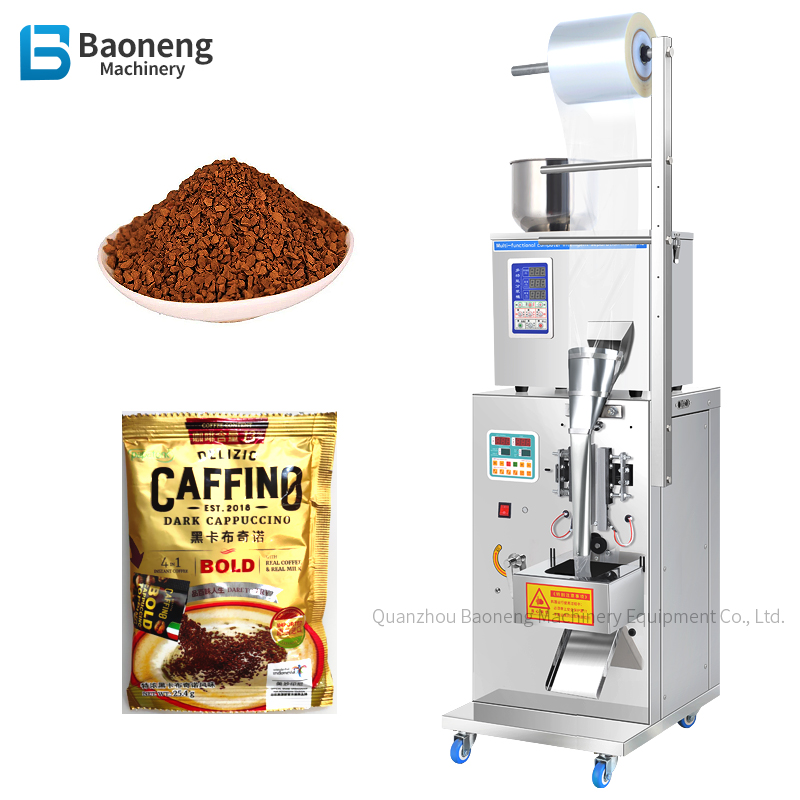
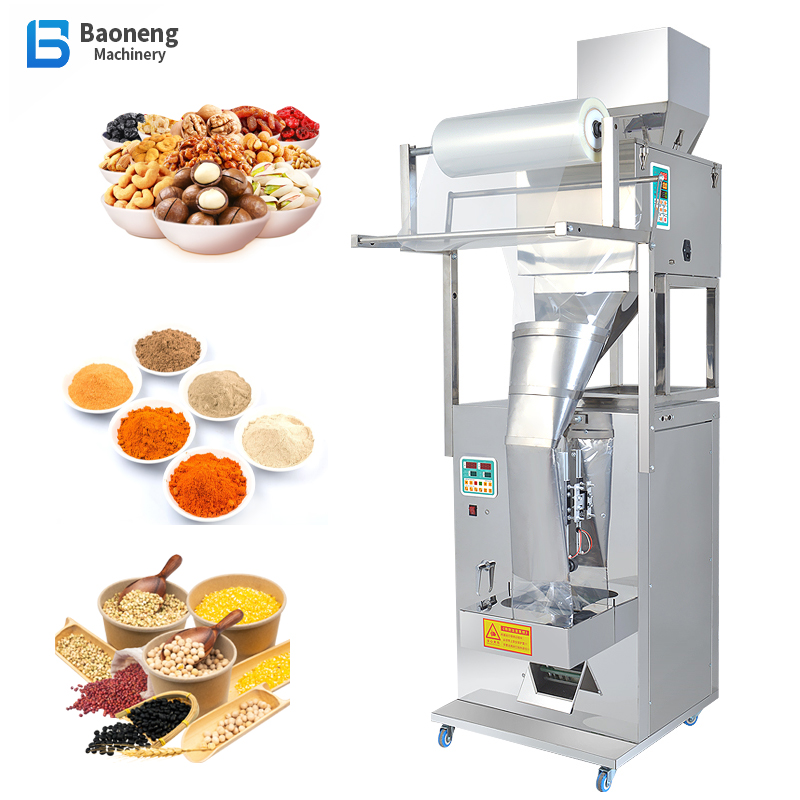
The Engineering Mechanics of Industrial Sachet Packaging: Precision Thermodynamics & Dosing Dynamics
In modern continuous high-speed production environments, the industrial sachet packaging machine serves as the pivotal boundary between bulk material handling and finished commercial presentation. Originating from advanced Vertical Form-Fill-Seal (VFFS) systems, single-dose sachets require an intricate balance of thermodynamic sealing jaws, web-guiding servo tensioning, and product-specific displacement mechanics. Whether packaging ultra-fine pharmaceutical powders, volatile beverage concentrates, or viscous condiments, engineering failure translates directly into costly line stoppage, pinhole leakages, and compromised shelf-life stability.
At Quanzhou SAM Machinery Equipment Co., Ltd., our engineering methodology addresses the primary cause of flexible packaging failure: thermal transfer inconsistency during dynamic sealing cycles. High-speed multi-layer laminates (such as PET/AL/PE, BOPP/VMCPP, or kraft-foil structures) exhibit narrow thermal welding windows. SAM sachet packaging machines incorporate independent dual-zone Omron PID temperature micro-controllers matched with precision-milled brass and copper-alloy heating blocks. This architecture isolates cross-jaw thermal dispersion to within ±1°C across continuous 80 cuts-per-minute duty cycles, eliminating heat-creep delamination while ensuring hermetic tensile strength.
Servo Dynamic Web Pulling
Dual synchronous stepper or Panasonic servo drive belts pull packaging laminate without lateral slippage, maintaining pitch accuracy within ±0.3mm across 10,000 cycles.
Zero-Backlash Metering
Micro-step auger tooling for cohesive powders combined with servo-driven volumetric pistons ensures drip-free, non-aerated dispensing with zero material waste.
Optical Photo-Eye Registration
High-sensitivity German or Japanese color mark sensors detect printed registration points instantly, adjusting seal positioning in real time to avoid off-center bag cutting.
Material rheology dictates the physical assembly of the filling head. For cohesive powders like infant formula, whey isolates, and fine chemical reagents, traditional gravimetric dropping induces compaction, dust plumes, and contaminated seal zones. SAM deploys vertically oriented, micro-polished stainless steel auger screws machined to tight tolerances within sealed tubes. Integrated vibratory de-aeration channels remove entrained air from the powder column, establishing homogeneous bulk density prior to the cut-off cycle. Conversely, for aqueous drinks, pure water, and cold brew extracts, pneumatically actuated positive shut-off nozzles eliminate hanging drops, ensuring pristine sealing surfaces free from capillary leaks.
Sachet Packaging Architecture Matrix: Dosing Matching & Sealing Geometries
Selecting an industrial sachet machine demands matching the packaging substrate, product physical state, throughput constraints, and international sanitary compliance directives. The engineering table below illustrates the primary design matrices utilized across SAM's manufacturing facility in Fujian, China.
| Material Classification | Typical Rheological Traits | Optimum Dosing Mechanism | Sealing Geometry | Hermetic Integrity Mechanism |
|---|---|---|---|---|
| Non-Free-Flow Powders (Milk, Collagen, Spices) | High aeration, cohesive, angle of repose > 45°, dust-prone | Servo Auger Filler with rotary agitation blade & dust hood | 3-Side / 4-Side / Stick Pack | Tear-notch cut with vacuum edge clean; avoids dust dusting on inner PE seal layer |
| Free-Flowing Granules (Coffee, Sugar, Pellets) | Low cohesion, spherical/crystalline, angle of repose < 30° | Telescopic Volumetric Cups or Multi-Head Weigher | Pillow / Center-Back Seal | Rapid vertical gravity drop with spring-loaded anti-bounce baffle plates |
| Aqueous Low-Viscosity (Purified Water, Juice) | Viscosity 1–50 cP, foaming tendency, rapid capillary action | Positive Displacement Piston / Magnetic Peristaltic Pump | 4-Side Flat Sachet / Fin Seal | Bottom-up submerged filling nozzle with synchronized suck-back vacuum valve |
| Viscous Pastes & Emulsions (Sauce, Honey, Gel) | Viscosity 1,000–80,000 cP, thixotropic, temperature-sensitive | Double-Jacketed Heated Rotary Piston with Rotary Valve | 3-Side / 4-Side Pillow | Rotary pneumatic cut-off valve; continuous hopper recirculation heating |
| Irregular Solids & Confectionery (Nuts, Candy) | Abrasive surfaces, variable unit mass, fragile geometry | Combination Weigher / Bucket Elevator Infeed | Gusseted Pillow / 3-Side | Cushioned drop funnels to prevent film wall puncture and internal impact damage |
Each structural system assembled by SAM features food-grade SUS304 or optional marine-grade SUS316L on all product contact zones, completely compliant with EU Directive 2006/42/EC machinery safety requirements and Good Manufacturing Practice (GMP) standards.
Global Sachet Packaging Trends: 2025–2030 Procurement & Technological Whitepaper
The flexible packaging landscape is experiencing transformative technical evolution driven by legislative sustainability mandates, consumer convenience demands, and Industry 4.0 data convergence. Procurement directors and plant engineers evaluating China sachet machine manufacturers must weigh capital expenditures against five critical technological trajectories shaping the market through 2030:
1. Monomaterial & Bio-Polymer Sealing
Traditional petroleum-based multi-material laminates (e.g., PET-Alu-PE) are increasingly restricted under extended producer responsibility (EPR) legislation. The industry is pivoting to mono-PE, oriented mono-PP (MOPP), and PLA-based barrier papers. These eco-friendly substrates exhibit narrower thermal bonding thresholds, demanding ultrasonic cold-sealing or high-precision pulse heat sealing to avoid web distortion. SAM systems are built forward-compatible with digital thermal profiling for sustainable films.
2. Edge Telemetry & Predictive OEE
Modern procurement requires machine-to-cloud transparency. Next-generation sachet lines integrate OPC UA and MQTT industrial IoT communication protocols directly inside PLC touch interfaces. Production managers can monitor real-time Overall Equipment Effectiveness (OEE), heater element degradation, cycle counts, motor thermal loading, and fill accuracy variances across remote factory sites via mobile dashboards.
3. Multi-Lane High-Density Formats
To optimize cleanroom footprint and lower per-unit energy costs, multi-lane stick pack and sachet machines (ranging from 4 to 12 parallel lanes) are supplanting banks of single-lane units in high-throughput nutraceutical and instant beverage plants. SAM's multi-lane configurations utilize modular slitters, independent lane dosing compensation, and central auto-web-centering systems that achieve 400–600 sachets/minute outputs.
Furthermore, hygienic clean-in-place (CIP) and dry steam-in-place (SIP) protocols are shifting from optional add-ons to standardized baseline requirements. In dairy, liquid nutraceutical, and cosmetic packaging, cross-batch microbial containment requires fully enclosed stainless steel envelopes, tool-free hopper disassembly, and pneumatic magnetic valves with smooth internal bores to eliminate bacterial harboring niches.
Factory-Direct Excellence: Why Global Importers Choose Quanzhou SAM Machinery
Navigating the machinery export supply chain from China demands verified transparency, consistent engineering tolerances, and robust after-sales lifecycle management. Quanzhou SAM Machinery Equipment Co., Ltd. stands out among mainland Chinese suppliers as an authentic TÜV Rheinland onsite-checked custom manufacturer. Spanning 4,800 square meters of dedicated fabrication and testing space in Fujian, China, our 72-person team integrates in-house mechanical design, precision sheet-metal processing, electrical assembly, and exhaustive dynamic quality control.
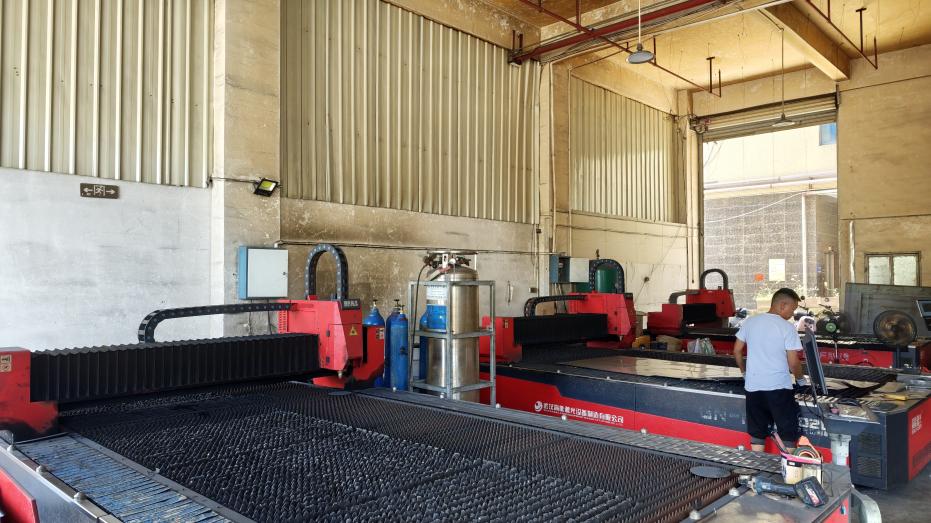
Precision CNC Laser Cutting
High-power fiber laser cutters produce structural frames, hopper plates, and forming shoulders to ±0.05mm tolerances, eliminating forced-assembly stress and vibration.
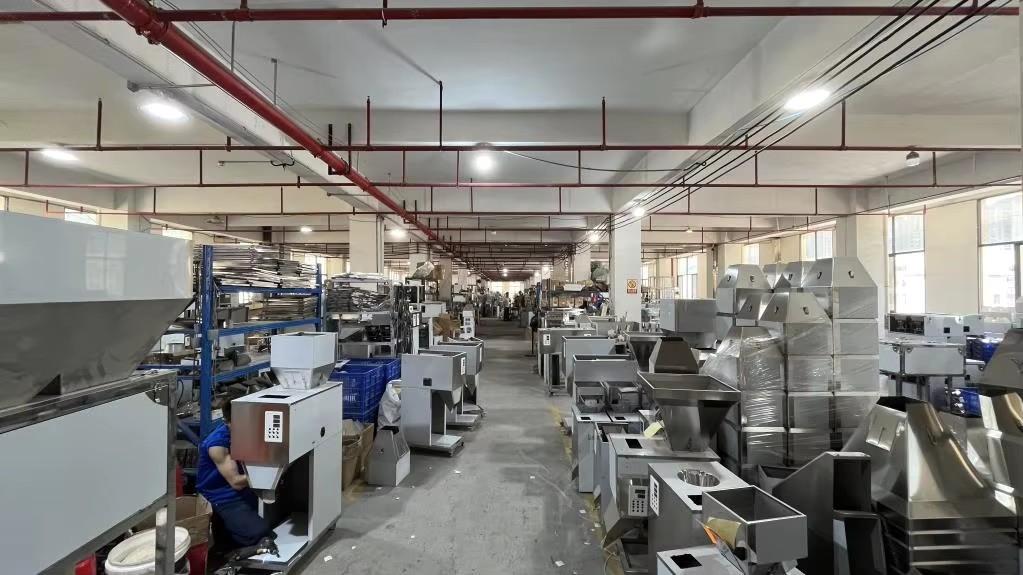
Standardized Assembly Lines
Modular line construction allows parallel fabrication of custom orders, guaranteeing rigid lead-time compliance and thorough standardization of electrical harness routing.
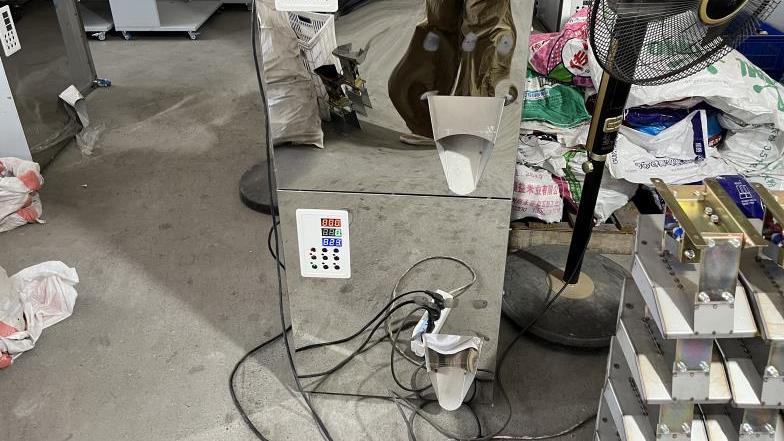
Exhaustive 72-Hour QA Testing
Every sachet packaging system completes 72 hours of uninterrupted dynamic test runs with live film and customer sample materials before sea-worthy crating.
Comprehensive Compliance
Full CE certification adhering to EU Machinery Directive 2006/42/EC and RoHS compliance on all primary electrical controls, relays, and PLCs.
Global Trade Versatility
Full Incoterms support (FOB, CIF, CFR, DDP, DDU) with settlements accepted in USD, EUR, CAD, HKD, and CNY across flexible L/C, T/T, and trade assurance channels.
Engineering Customization (OEM/ODM)
From custom collar forming shoulders for non-standard bag shapes to bespoke multi-head nitrogen gas purge manifolds, our engineers design to your precise specifications.
Strategic Sachet Packaging Machine Procurement FAQ
Below are technical, commercial, and operational insights compiled by our chief systems engineers to assist international buyers during the technical evaluation process.
1. How does Quanzhou SAM Machinery ensure zero powder leakage on sachet cross-seals?
2. Can a single machine accommodate multiple bag dimensions and different film materials?
3. What is the process for testing customer-specific products prior to machinery dispatch?
4. What safety directives and international electrical standards do your machines adhere to?
5. What are the typical lead times, packaging standards, and overseas support options?
6. How does your equipment manage nitrogen gas flushing for perishable food items?
Ready to Modernize Your Sachet Packaging Line?
Partner directly with Quanzhou SAM Machinery Equipment Co., Ltd.—Fujian's leading manufacturer of verified VFFS and sachet machinery. Send us your bag sizes, product bulk densities, and target speeds to receive an itemized proposal within 24 hours.