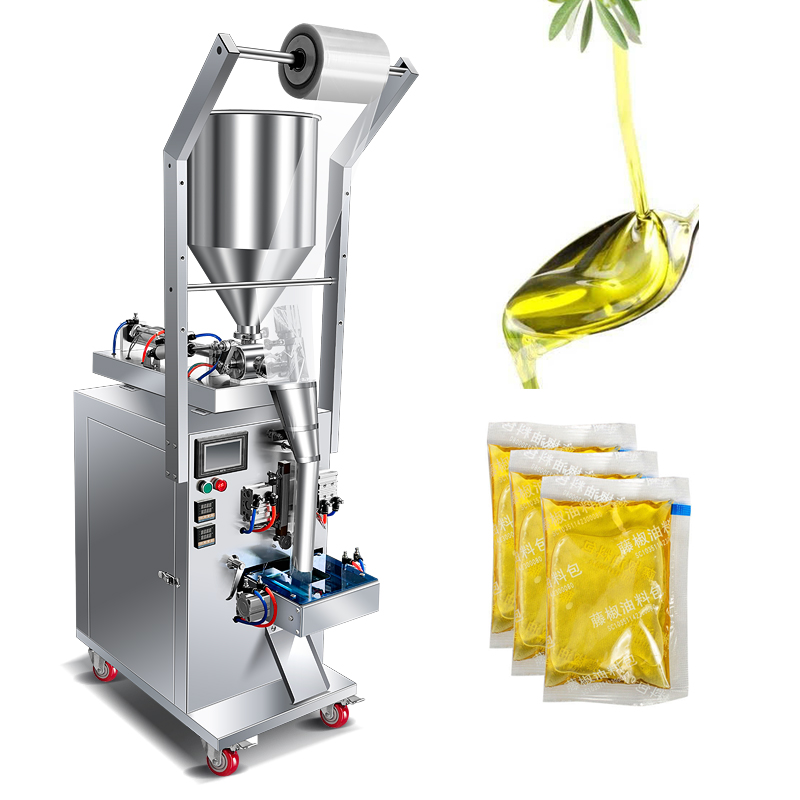
Fully Automatic PLC Controlled Flowpack Machine for Biscuits Pillow Bag Packaging Plastic Film Wrapping
- Continuous Horizontal Flow Wrapping
- High-Speed Servo Film Pulling Unit
Engineered for cereal grains, fragrant basmati, jasmine rice, and granular food commodities. Compare our verified vertical form-fill-seal (VFFS), rotary doypack, and pillow pouch filling machinery.
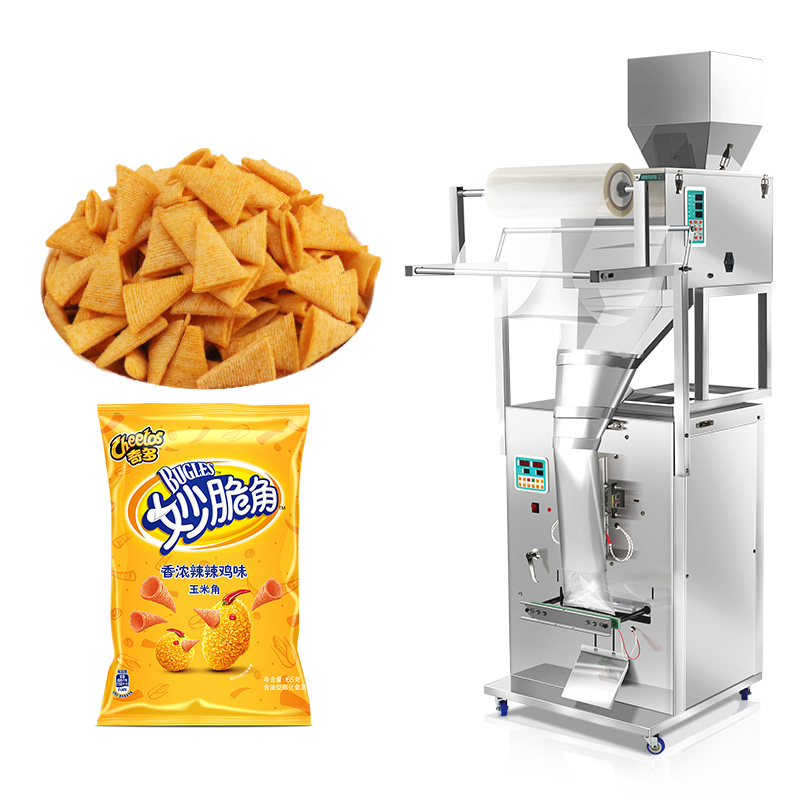
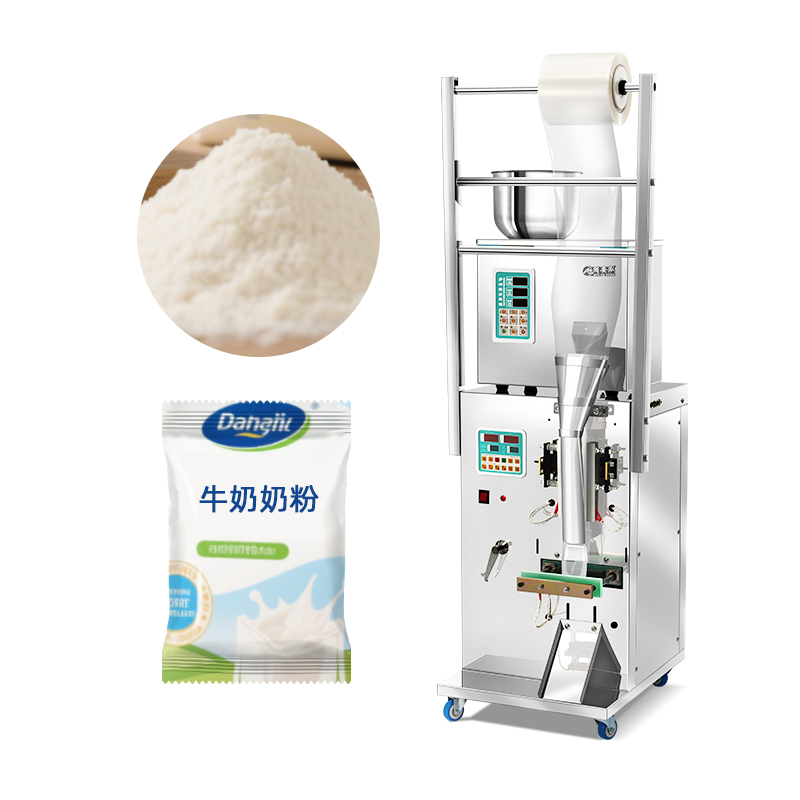
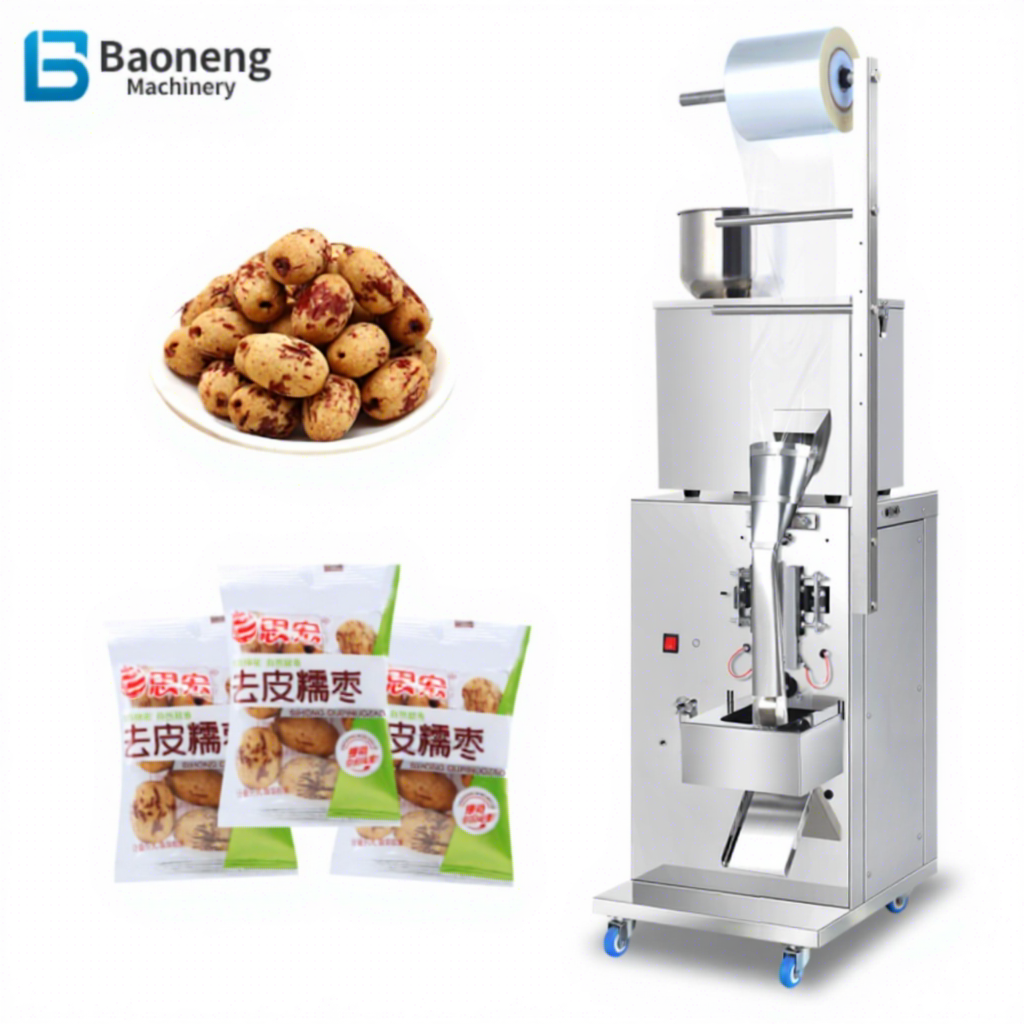
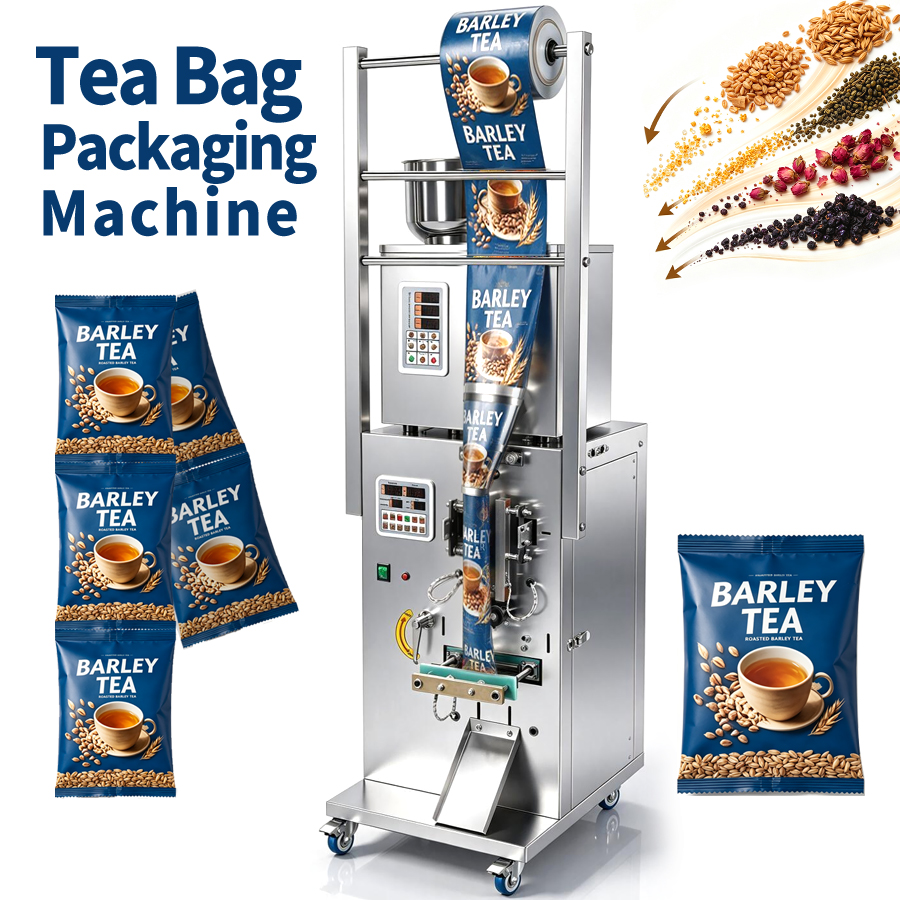
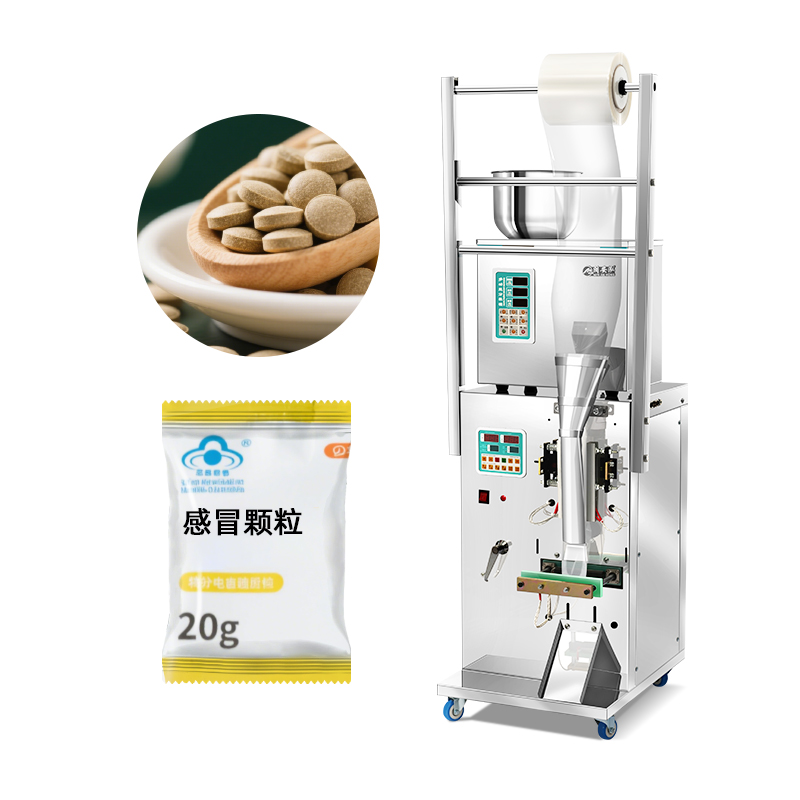
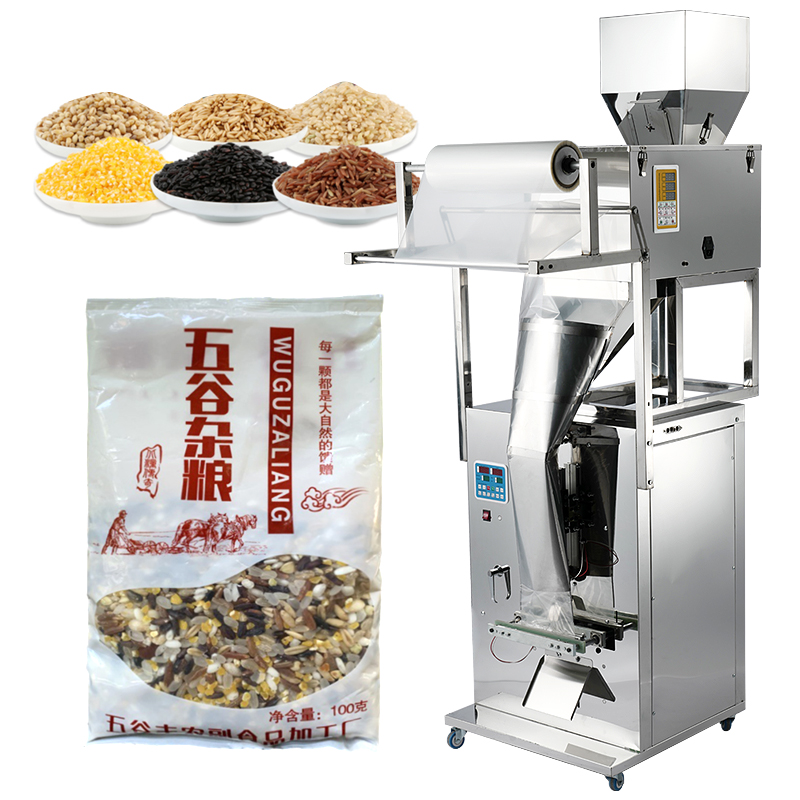
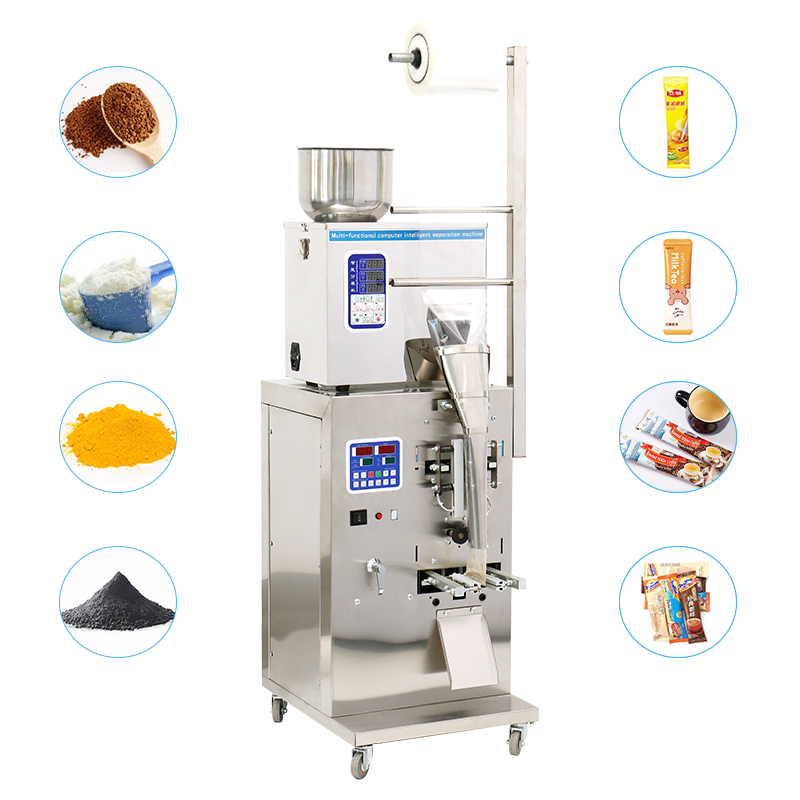
Analyzing grain breakage mitigation, hermetic barrier sealing, shelf-life extension, and automated high-yield packing architectures for agricultural exporters.
In modern cereal processing and grain logistics, the rice packaging line is no longer merely an end-of-line containment station. It represents the vital nexus between post-harvest grain quality preservation, brand market positioning, and international supply chain resilience. As international standards like ISO 7301 and Codex Alimentarius enforce strict thresholds on moisture migration, head rice percentage, and foreign material contamination, procurement directors are shifting away from traditional semi-automatic mechanical baggers toward fully integrated, hermetic automated bagging systems.
Rice grains—ranging from delicate long-grain basmati and aromatic jasmine to parboiled varieties and short-grain japonica—present unique mechanical challenges during high-speed packaging. Rice is granular, abrasive, susceptible to friction-induced surface breakage, and sensitive to ambient relative humidity. When grains drop through high-speed vertical chutes, kinetic impacts can cause fracturing, degrading premium whole kernels into broken pieces that reduce commercial grade valuation. Leading Chinese packaging machine manufacturers, headed by engineering teams like Quanzhou SAM Machinery Equipment Co., Ltd., have pioneered specialized low-velocity discharge cascades, multi-stage deceleration buffers, and polymer-lined transfer chutes that safeguard polished grains throughout the dosing and pouching sequence.
Furthermore, the international rice export market is undergoing a seismic format transition. While bulk woven polypropylene (PP) bags (25kg to 50kg) remain common for wholesale institutional supply, consumer and supermarket channels demand smaller retail-ready formats: 500g, 1kg, 2.5kg, and 5kg stand-up doypacks, vacuum brick packages, and gusseted pillow pouches. High-barrier films, modified atmosphere packaging (MAP) with nitrogen injection, and four-side-sealed vacuum bricks preserve aroma volatiles in fragrant rice varieties, inhibit lipid oxidation, and prevent rice weevil (Sitophilus oryzae) infestation without chemical fumigants.
Specialized steep-angle vibratory trays and parabolic transfer chutes designed to minimize free-fall velocity, preventing kernel fracture and preserving whole-grain market yield.
Evacuation chambers achieving down to -0.095 MPa vacuum levels alongside precision nitrogen flushing residual oxygen levels under 0.5%, multiplying shelf life by up to 400%.
DSP-driven multi-head combination weighers operating with digital load cells, filtering out industrial plant floor vibrations to achieve batch-to-batch repeatability of ±0.2%.
Key technological shifts, sustainability imperatives, and operational demands shaping capital equipment investments for global rice millers and contract packagers through 2030.
Procuring industrial packaging machinery requires forward-looking technical foresight. Machinery purchased today must remain compliant with evolving carbon regulations, energy efficiency benchmarks, and shifting polymer recycling frameworks over a 10-to-15-year operational lifecycle. In-depth buyer interviews and international agricultural equipment trade data reveal four critical procurement trends driving global rice machinery purchases:
Traditional non-recyclable multi-layer laminates (PET/AL/PE) face stringent tariffs under EU Packaging and Packaging Waste Regulation (PPWR). Modern buyers mandate forming collars and ultrasonic sealing jaws capable of processing mono-PE, BOPP, and certified compostable PLA films without thermal pinholing or puckering.
Stand-alone packaging machines are giving way to end-to-end turnkey lines. Millers are procuring VFFS or rotary doypack machines with integrated secondary carton casing, automated bale packing (bundling 10-20 smaller retail bags into an outer master polybag), and collaborative robotic palletizers.
Unplanned downtime during peak milling harvest seasons can cost grain facilities tens of thousands of dollars per day. Export buyers demand packaging hardware featuring OPC-UA architectures, MQTT telemetric protocols, and remote VPN cloud gateway support for predictive servicing and real-time OEE tracking.
Furthermore, modular changeover tooling has become a baseline procurement criterion. Rather than maintaining dedicated lines for every package size, plants favor servo-motorized bag width adjustment mechanisms, tool-less quick-release forming tubes, and recipe memory banks storing up to 100 distinctive product profiles on intuitive Siemens or Omron touchscreen interfaces.
A rigorous comparative engineering evaluation of dosing mechanisms, target outputs, package styles, and material handling physics across grain packaging categories.
| Packaging Machine Archetype | Dosing Methodology | Target Weight Range | Throughput Speed (BPM) | Dosing Precision | Best Suited Rice & Grain Formats | Compliance Status |
|---|---|---|---|---|---|---|
| Rotary Premade Pouch Machine | 14-Head Combination Multihead Weigher | 250g – 5,000g | 35 – 60 bags/min | ± 0.2g – 0.5g | Basmati, Jasmine, Sushi Rice in Stand-up Zipper Pouches | CE / RoHS / ISO |
| Continuous Vertical VFFS Machine | Dual-Lane Electronic Gravimetric Weigher | 1,000g – 10,000g | 40 – 80 bags/min | ± 0.3% | Commercial Long-Grain Rice in Pillow / Gusset Bags | CE / 2006/42/EC |
| Automatic Vacuum Brick Pack Line | Two-Stage Gravimetric + Evacuation Shaper | 500g – 5,000g | 20 – 40 bricks/min | ± 0.15% | Organic Brown, Black, Red Rice (Rigid 6-Side Flat Bricks) | CE / High-Vacuum |
| Volumetric Cup Form-Fill-Seal | Telescopic Stainless Volumetric Chambers | 50g – 1,000g | 50 – 90 bags/min | ± 1.0% | Pre-portioned Instant Rice, Porridge Grains, Seeds | CE / High-Speed |
| Open-Mouth Heavy Bagging Unit | Gross/Net Weigh Load Cell Feeding Gate | 10kg – 50kg | 10 – 25 bags/min | ± 10g – 20g | Bulk Wholesale Rice in Woven Polypropylene / Multi-wall Kraft | Heavy-Duty Plant |
*Note: Dosing speed and real-world precision depend on bulk grain density, uniform moisture content (standard 12-14%), ambient packaging line humidity, and electrostatic static charge control.
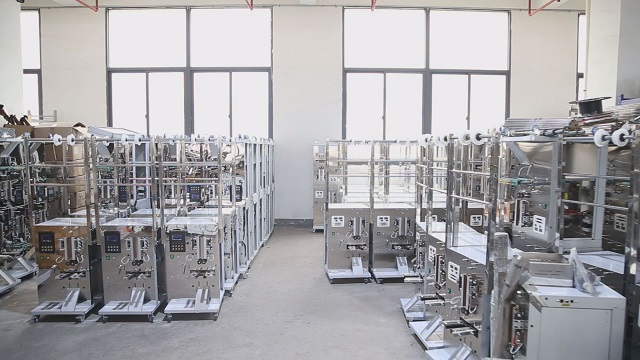
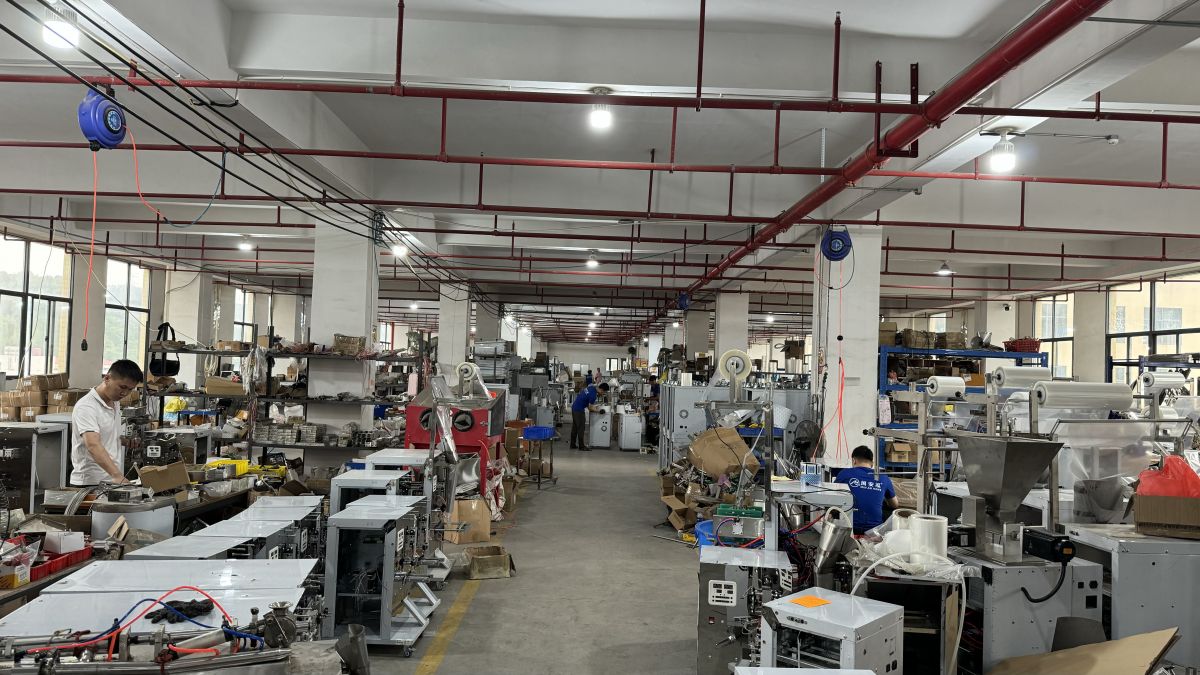
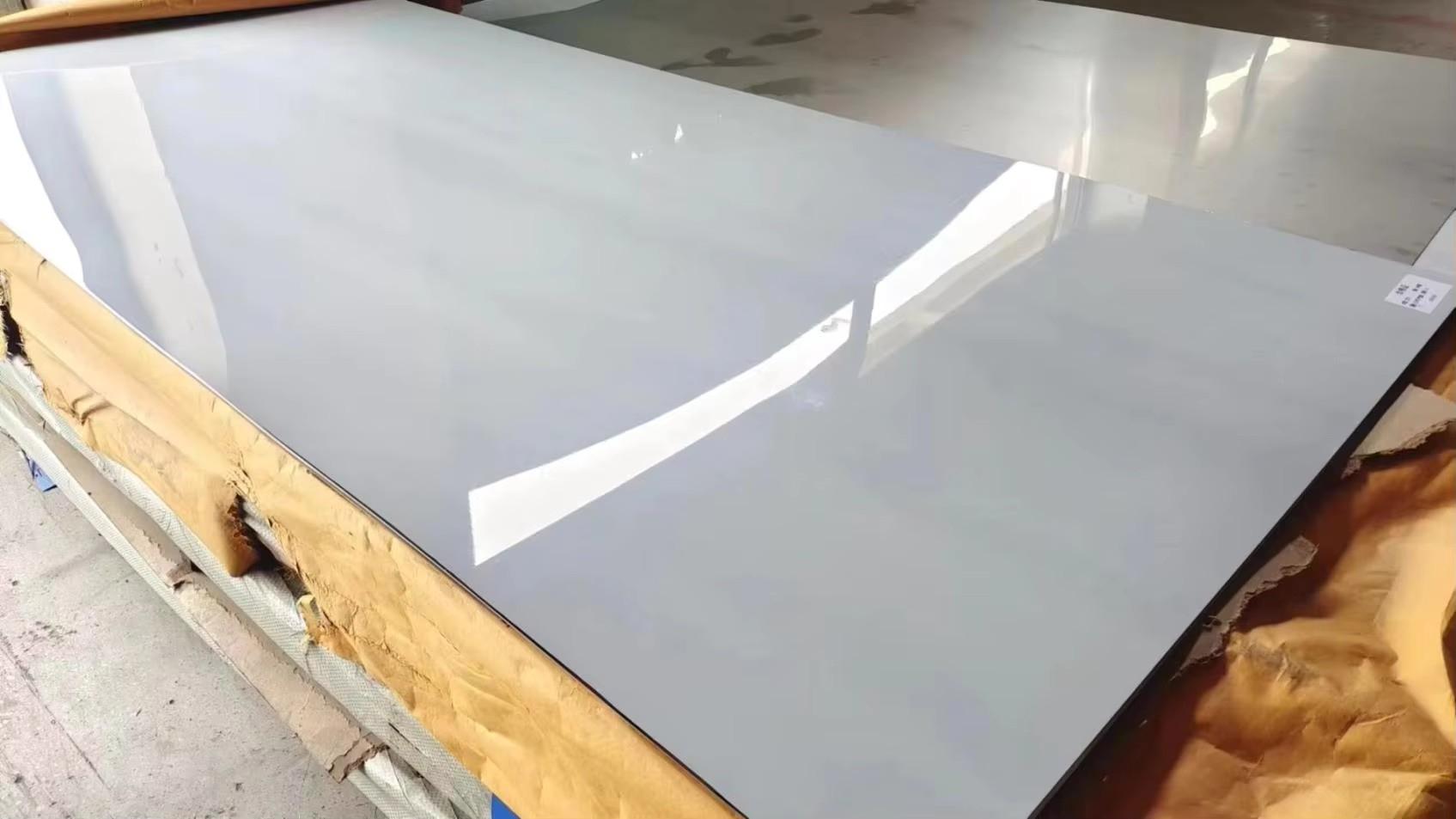
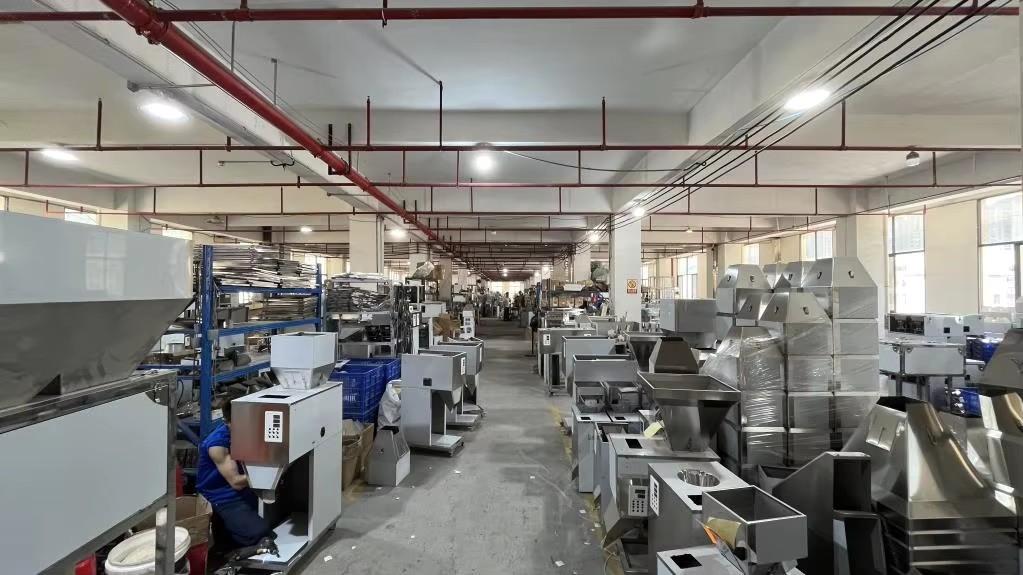
Founded in 2019 in Quanzhou, Fujian Province, Quanzhou SAM Machinery Equipment Co., Ltd. has grown into an international powerhouse in food packaging automation. Operating as a verified custom manufacturer rather than an intermediary trading firm, SAM maintains end-to-end design, machining, sheet-metal fabrication, assembly, and testing operations in-house.
SAM's 4,800 m² factory premises, CNC fabrication floor, and 72-strong technical workforce have passed rigorous on-site audit verification by TÜV Rheinland.
We deliver sample-based customization, hopper geometry redesigns, customized gas barrier injection manifolds, and bespoke multi-lane dosing heads tailored to your unique packaging materials.
All core flagship machines strictly comply with the European Union Machinery Directive 2006/42/EC and RoHS electrical standards, ensuring turnkey customs and regulatory clearance.
Maintaining a 97% inquiry response rate, SAM provides remote HD video commissioning, engineer dispatch availability, life-cycle spare parts inventories, and comprehensive English documentation.

Certified in compliance with EU safety directives for European Union and international imports.

Verified mechanical, electrical, and operational interlocking safety standard compliance.

Hazardous substance restriction certified across all electrical, sensors, and cabling hardware.

Independent third-party verification of factory scale, production capacity, and export capability.
Addressing engineering specifications, dosing calibration, vacuum integrity, electrical standardizations, and export logistics for engineering and procurement executives.
Whether you need an automated VFFS pillow-bag system, a high-barrier doypack machine, or an airtight vacuum brick line, our factory engineering team will analyze your grain profile and design a custom layout with zero obligation.