China Wholesale Beverage Filling Machine Supplier & Exporters
Next-Generation Precision Liquid & Solid Rotary Packaging Lines, ISO-Grade Aseptic Bottling Protocols, and High-Speed Turnkey Filling Solutions by Quanzhou SAM Machinery.
4,800 m²
Onsite Verified Factory Area
30+
Global Export Markets
2006/42/EC
CE Machinery Directive & RoHS
97%
Rapid Inquiry Response Rate
OEM & ODM Equipment Portfolio
Featured Automated Filling, Bagging & Sealing Systems
Engineered for extreme dosing accuracy, cross-viscosity flexibility, and zero-drip high-speed continuous industrial operation.
Continuous Flowpack
Fully Automatic PLC Controlled Flowpack Machine for Biscuits Pillow Bags
Get Catalog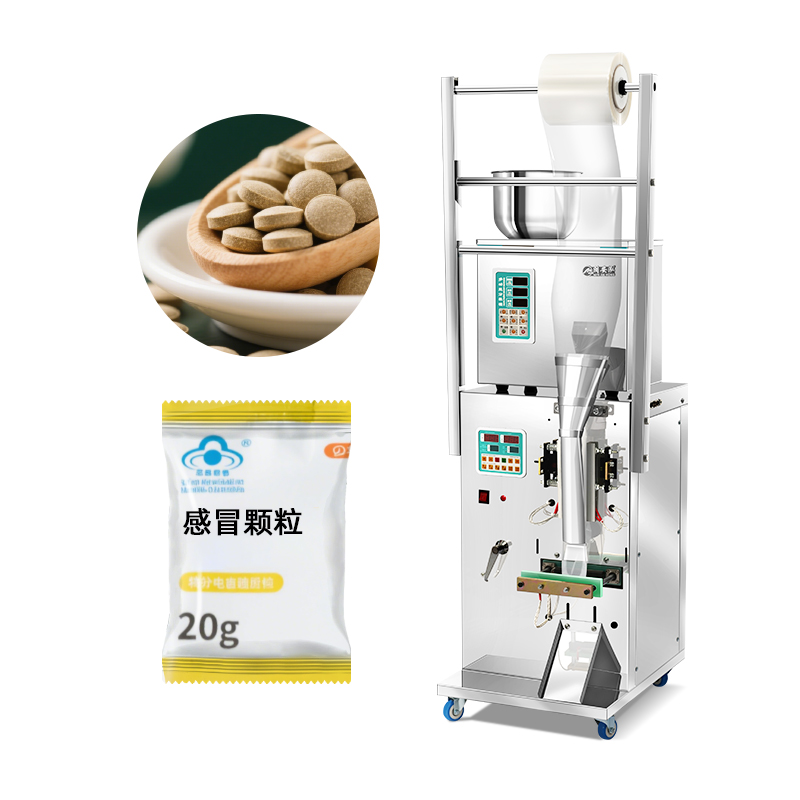
Multi-Dose Micro Dosing
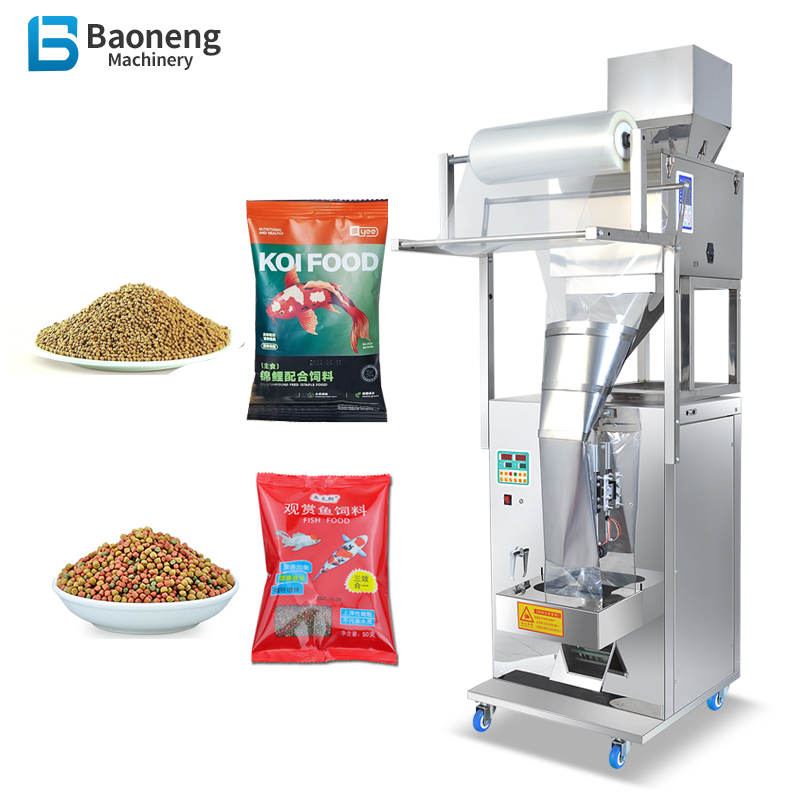
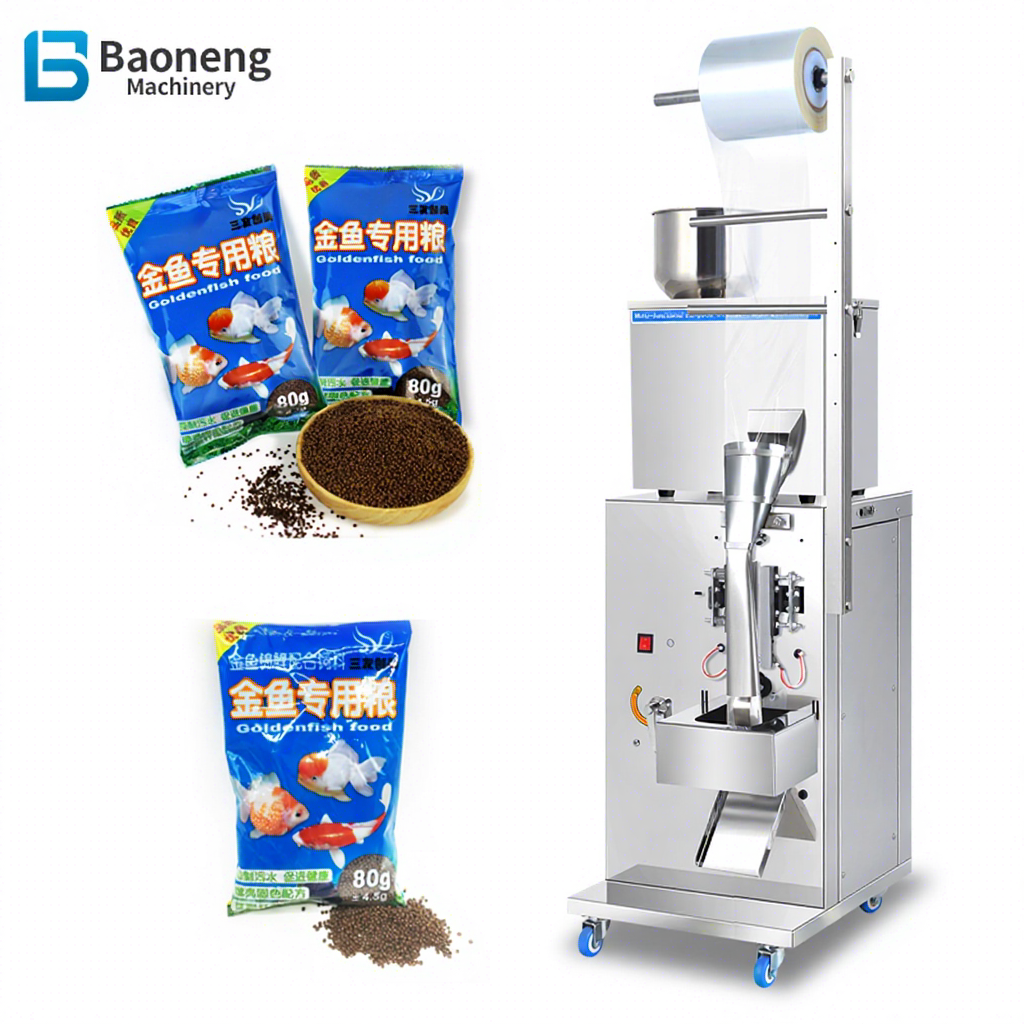
Vertical Automatic Electric 2g-100g Granule Powder Filling Machine
Get Catalog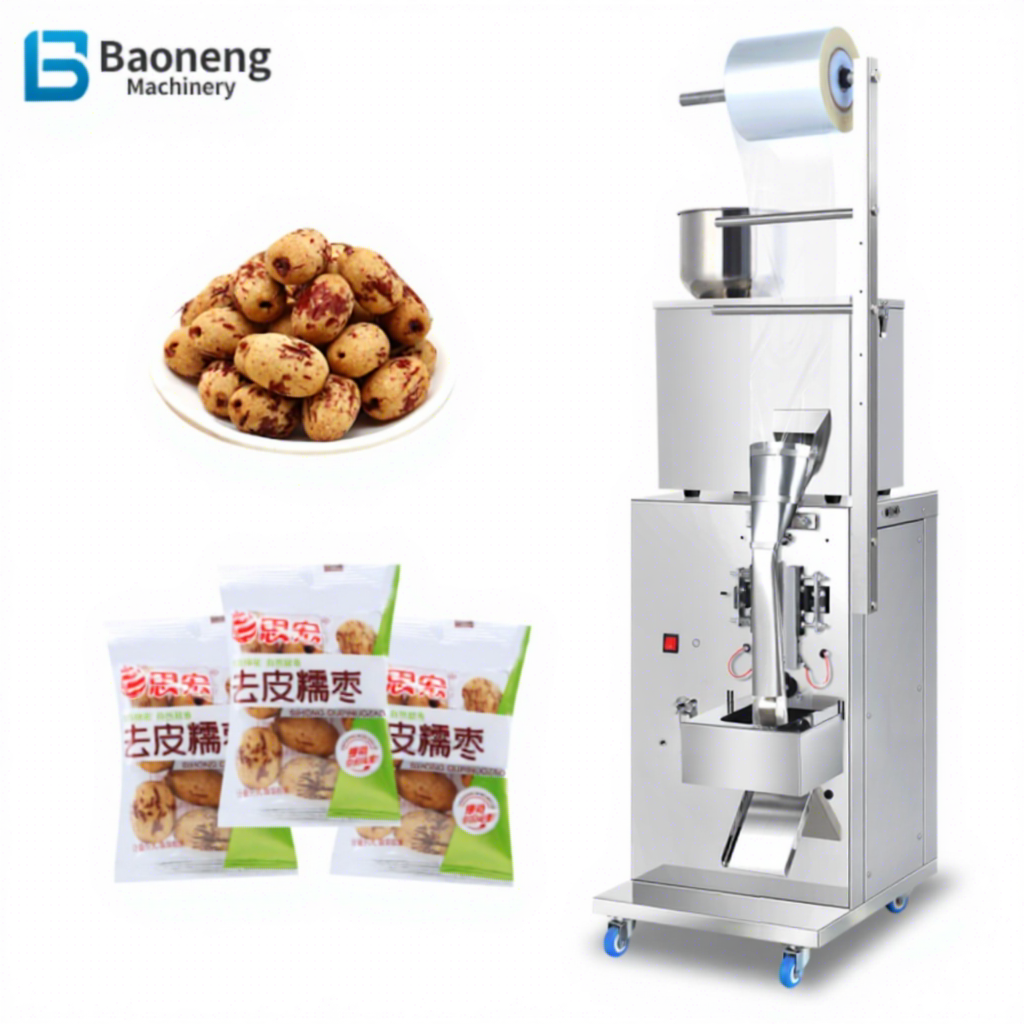
Nut & Granular Packager
Bean and Nut Sealed Packaging Machine for Solid Material Filling
Get Catalog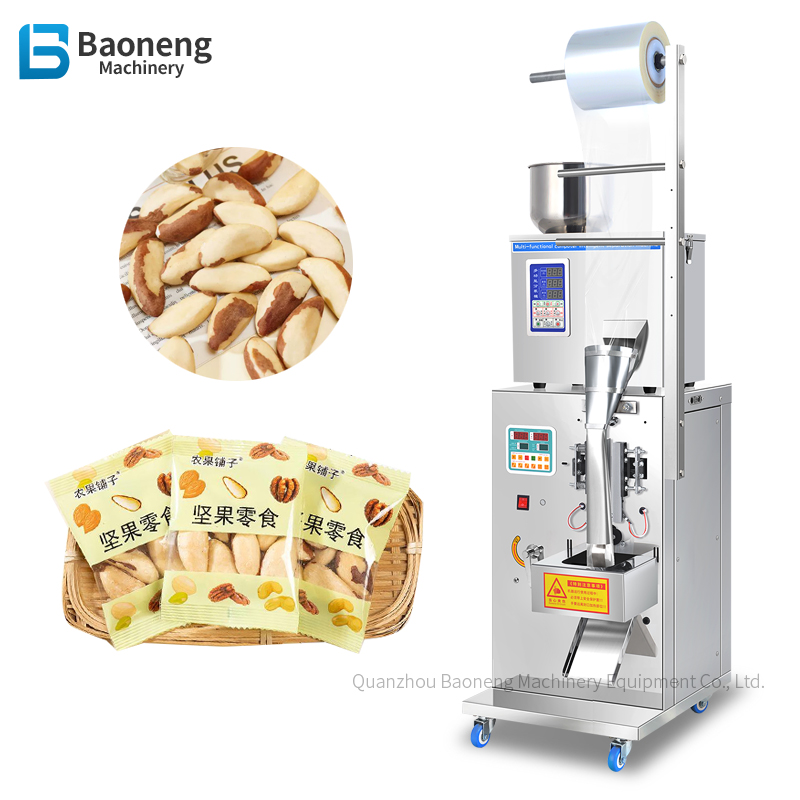
Beverage Capping & Sealing
Electric Automatic Bottle Sealing Machine for Plastic and Honey Bottles
Get Catalog
Ultra-Clean Liquid Filler
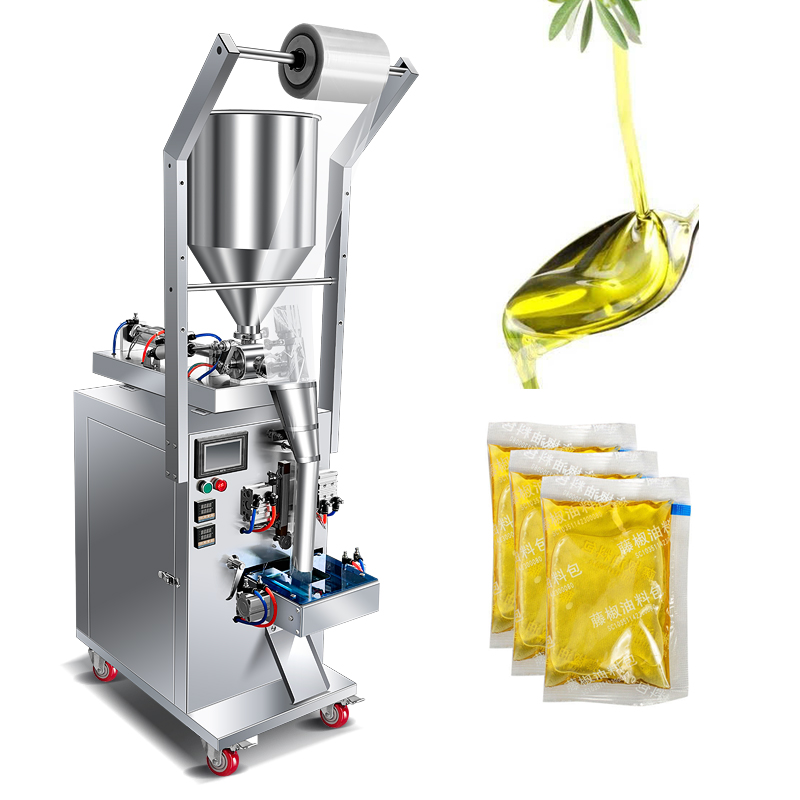
Small Automatic Machine for Pure Water, Beverage & Milk Sachets
Get Catalog
High-Output Multi-Lane
High Speed Multi-lane Coffee Sugar Stick Vertical Filling Sealing Machine
Get Catalog
Strategic Technical Whitepaper
Engineering Principles of Modern Beverage Filling Machinery
A deep-dive analysis into dosing physics, CIP/SIP sanitation, laminar liquid handling, and sustainable flexible packaging economics.
In modern industrial beverage manufacturing, the commercial dividing line between market-leading profitability and operational attrition is determined at the filling nozzle. Liquid dynamics present complex engineering challenges: varying Reynolds numbers between low-viscosity spring waters and shear-thinning concentrates, transient gas breakouts in carbonated beverage lines, and micro-particulate suspension in natural fruit juices. Overcoming these mechanical physics barriers requires a sophisticated synergy between servomotor-governed positive displacement filling, sanitary electromagnetic flowmeters, and clean-in-place (CIP) isolation loops.
"The migration from traditional volumetric piston-metered packaging to Coriolis mass flow sensing and servo-actuated peristaltic manifolds reduces line changeover downtime by up to 68% while practically eliminating fluid shear stress and product degradation."
Beverage packaging machines exported from Tier-1 Chinese manufacturers have undergone a profound paradigm shift over the past decade. Where early installations were constrained to basic mechanical cam-driven timing gears, present-generation engineering leverages high-speed industrial Ethernet protocols (EtherCAT / PROFINET) coupled with decentralized multi-axis servo controllers. This architectural leap enables synchronous tension adjustment across multi-layer barrier laminates, hermetic ultrasonic cold-sealing to prevent thermal alteration of flavor profiles, and automated vacuum scavenging that stabilizes residual oxygen levels well below 0.8%.
Micro-Dynamic Flow Control
Eliminate cavitation and fluid aeration with anti-foaming dive nozzles and programmable deceleration ramps calibrated directly to viscosity curves.
Aseptic Barrier Integrity
Automated steam-in-place (SIP) cycles paired with Positive Pressure HEPA laminar airflow hoods (Class 100) defend sterility across sensitive dairy and beverage substrates.
Industrial IoT Telemetry
Real-time edge analytics tracking overall equipment effectiveness (OEE), seal bar temperature thermal decay, and pneumatic line fluctuations via OPC-UA interfaces.
Procurement Forecasting
Future Procurement Trends in Beverage Filling Machinery
How international beverage conglomerates and regional copackers are recalibrating their capital equipment investment matrices.
| Evaluation Parameter | Legacy Paradigm (2015-2022) | Emerging Benchmark (2025-2030) | Strategic Impact on Total Cost of Ownership (TCO) |
|---|---|---|---|
| Packaging Substrate Compatibility | Rigid multi-layer non-recyclable foils | Mono-PE, Mono-PP & Bio-degradable PLA | Mitigates regulatory EPR carbon levies; preserves export compliance into the EU & North America. |
| Sanitation & Hygiene Standards | Manual CIP hookup; thermal degradation risks | Automated closed-circuit ozone/steam CIP/SIP | Decreases water and caustic consumption by 42%; accelerates sterilization verification times. |
| Dosing Metering Technology | Mechanical piston cylinders with elastomeric seals | Non-contact Magnetic / Coriolis mass meters | Zero frictional seal degradation; drops batch variance from ±1.5% down to ±0.2% by volume. |
| Line Architecture & Footprint | Segmented standalone modular conveyor blocks | Monobloc Tri-Block (Rinse-Fill-Cap) Integration | Conserves up to 35% cleanroom square footage; eliminates open-air bottle transfer contamination vectors. |
Ultrasonic Cold Sealing
Eliminating heated jaw dwell times allows manufacturers to package thermosensitive vitamin waters, live kombuchas, and active probiotics without thermal degradation.
Extreme Format Agility
Tool-less changeovers that accommodate sachet formats, stick packs, and standard back-seal bags in under 15 minutes to support on-demand private-label SKUs.
Energy & Kinetic Regeneration
Utilizing regenerative servo drives that reclaim deceleration kinetic energy back into the internal bus, cutting overall operational draw by 22% annually.
The SAM Enterprise Advantage
Why Tier-1 Importers Source Direct from Quanzhou SAM
Integrating vertically integrated machining, strict European safety compliance, and comprehensive global technical dispatch.
TÜV Rheinland Onsite Verified
Unlike regional brokers, our physical 4,800 m² production facilities, CNC fabrication center, and team of 72 technicians have been strictly verified onsite by independent TÜV Rheinland auditors.
Certified Regulatory Compliance
Every beverage packing platform conforms to the European Machinery Directive 2006/42/EC, CE safety baselines, and RoHS environmental compliance, guaranteeing frictionless international customs clearance.
In-House Component Milling
Operating our own high-precision laser cutting beds and CNC press bending brakes allows micron-level structural tolerances, rapid custom prototyping, and immediate spare parts dispatch.
Comprehensive OEM / ODM Engineering
From graphic label integration and bespoke bag-width forming collars to bespoke PLC control architecture tailored to enterprise SCADA platforms, our engineering team manages end-to-end customization.
Rigorous Factory Pre-Shipment FAT
No machinery exits our Fujian floor without comprehensive Factory Acceptance Testing (FAT), encompassing multi-hour continuous trial runs using client-provided packaging films and fluid samples.
International Trade Reliability
Supporting multi-currency accounting (USD, EUR, CAD, CNY) and full international trade structures (FOB, CFR, CIF, DDP, DDU) with complete engineering manuals, video guidance, and remote telemetry.
Procurement Knowledge Base
Frequently Asked Beverage Machinery Questions
Essential technical, validation, and commercial answers for operational executives and industrial procurement heads.
How does your machinery prevent liquid foaming in high-speed beverage packaging?
Our systems utilize pneumatic bottom-up submersible filling nozzles synchronized with multi-stage programmable servo-flow valves. Dosing starts deep at the container bottom and ascends gradually at a controlled velocity matching fluid surface tension, eliminating cavitation and aerosol foaming.
Can a single packaging line switch between low-viscosity water and thick syrups?
Yes. We engineer hybrid filling platforms featuring modular quick-connect dosing heads. Operators can toggle between precision magnetic flow meters for free-flowing beverages and positive-displacement rotary piston pumps for high-viscosity pastes via the intuitive touchscreen interface.
What stainless steel alloys are utilized across product-contact pathways?
All primary contact zones, piping, transfer manifolds, and buffer tanks are fabricated from certified sanitary AISI 316L stainless steel, electropolished to a surface roughness of Ra < 0.4 μm. Structural frames and exterior panels utilize food-grade AISI 304.
Can prospective buyers send packaging film and raw materials for validation runs?
We actively advise sample-based validation. Overseas buyers can supply production roll stock and actual beverage samples. Our Fujian engineers perform comprehensive testing to verify seal micro-leakage thresholds, burst strength, and gravimetric dosing accuracy prior to dispatch.