High-Performance Automatic Packaging Machinery
Explore our onsite-tested rotary and form-fill-seal machinery configurations. Built with SUS304/SUS316L stainless steel, Omron/Siemens PLC architectures, and interchangeable volumetric or auger dosing systems.
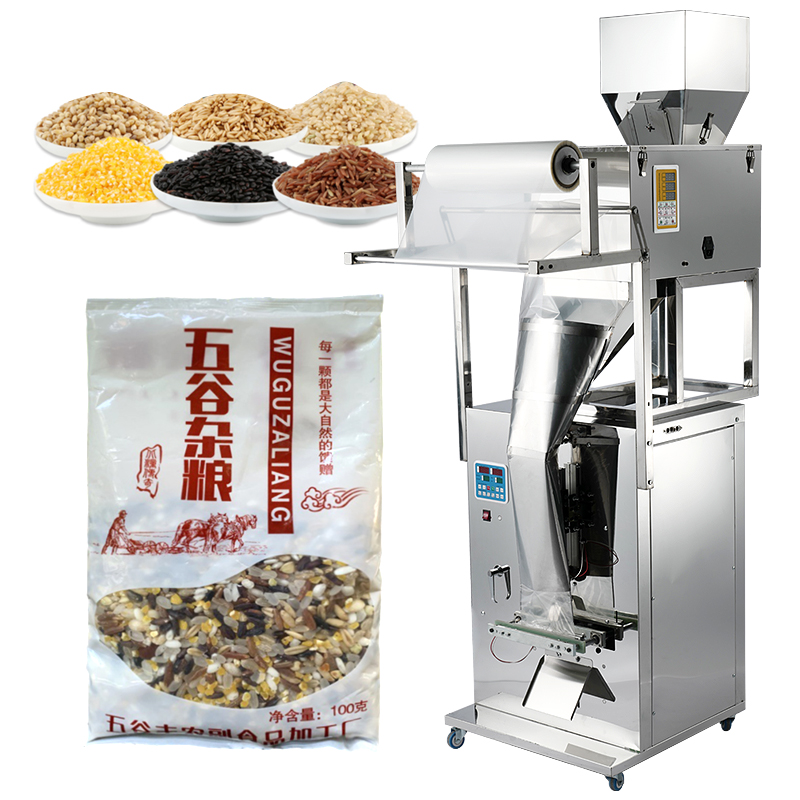
Automatic Multi-Function Candy Bag Filling Machine for Packaging Various Products
- Rotary multi-head combination weigher
- Pillow & gusseted bag forming
- Throughput: 35–70 packs/min
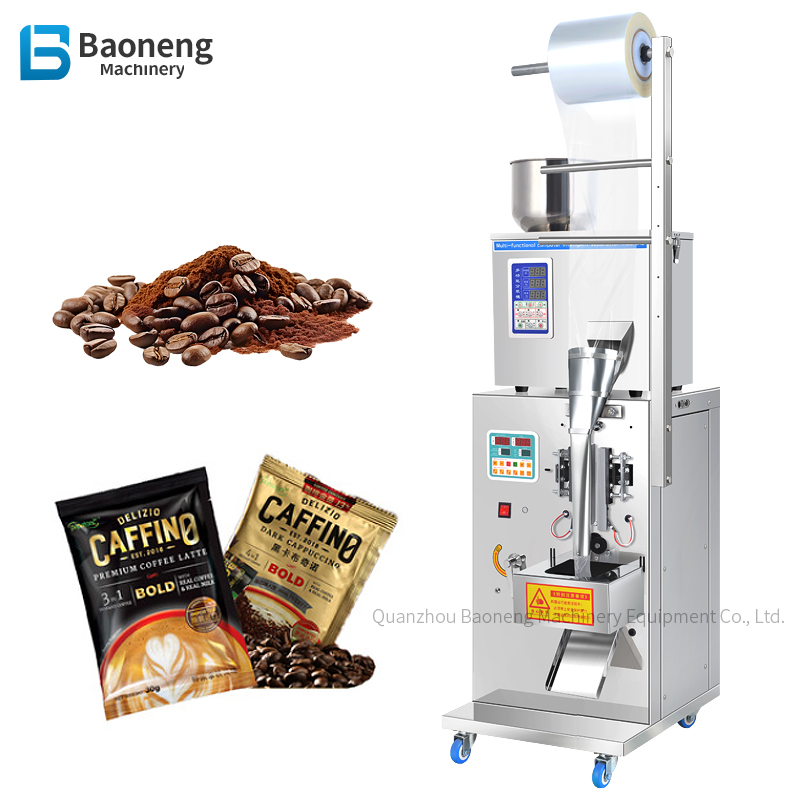
Hot Sale Full Automatic Small Paper Bag Packaging Machine Food Coffee Powder Multi-Function Snack Machine
- Recyclable kraft paper compatibility
- Precision servo auger dosing
- Anti-dust vacuum seal jaws
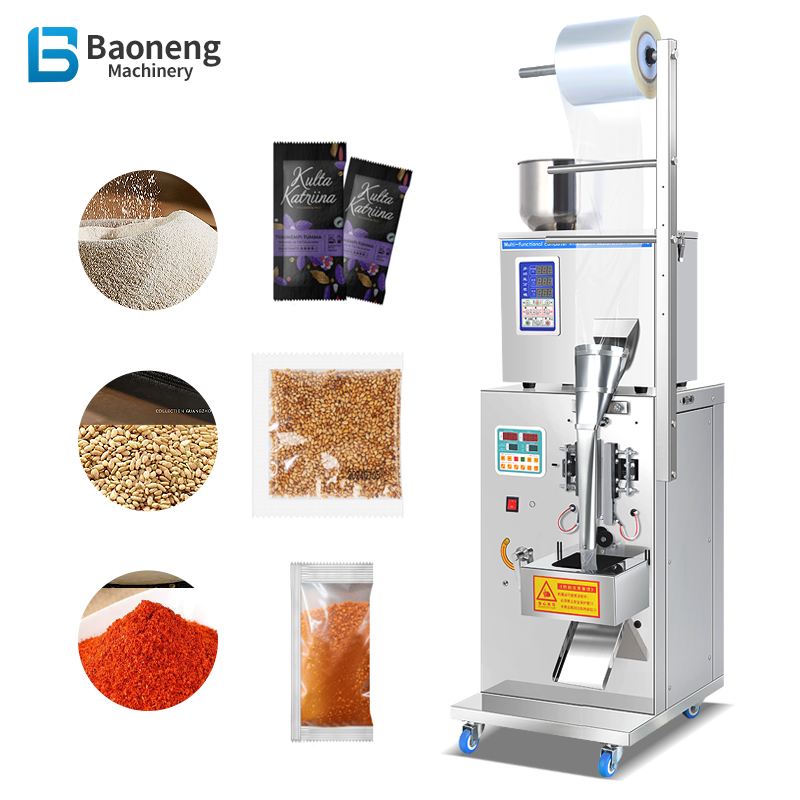
Hot Selling Fully Automatic Food Machinery for Sealing Filling Paper Bags for Sugar Pepper Other Foods
- Multi-layer barrier foil handling
- Precision zero-leak heat sealing
- CE 2006/42/EC safety interlocks
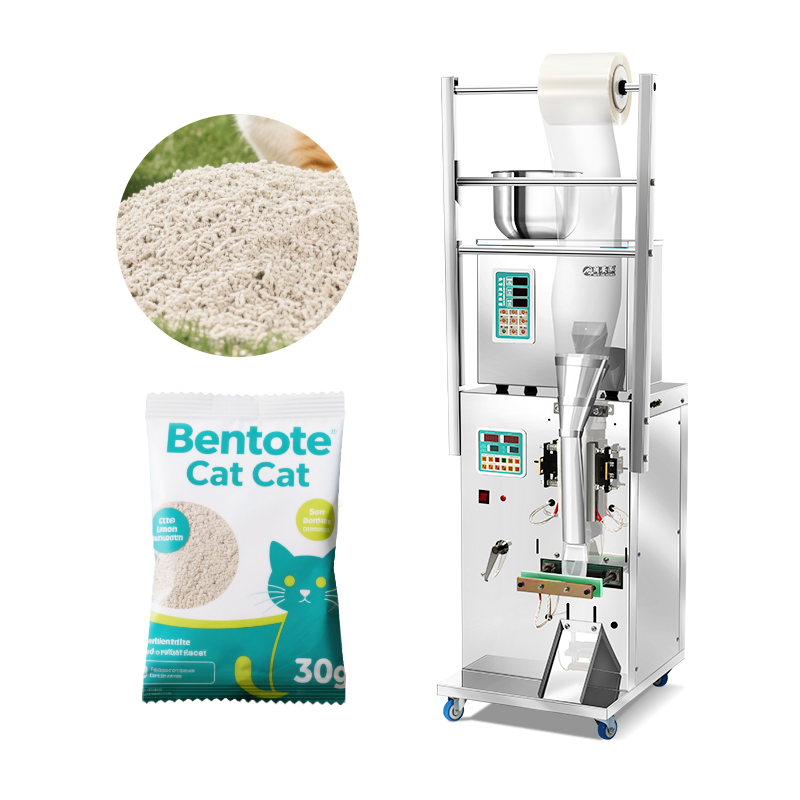
Factory Direct Automatic Powder Sachet and Zipper Doypack Packaging Machine for Food
- 8-Station rotary pouch feed system
- Automatic mechanical zipper opener
- Nitrogen purge gas flushing ready
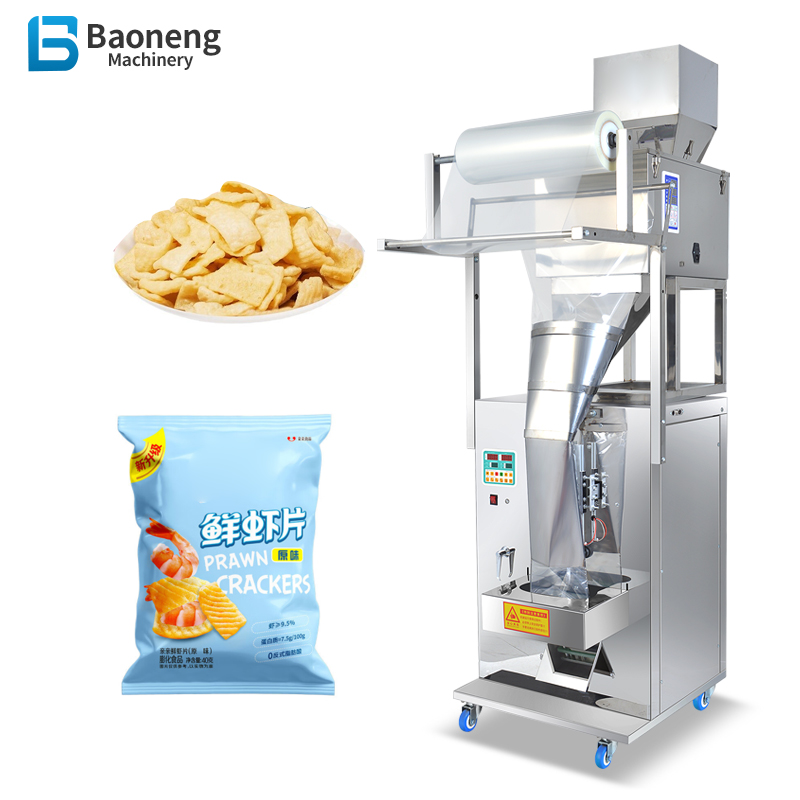
Small Automatic Machine for Pure Water Liquid Water Milkshake Milk Beverage Sachets
- Pneumatic anti-drip piston pump
- Continuous UV sterilization unit
- Hermetic 3/4-side liquid sealing
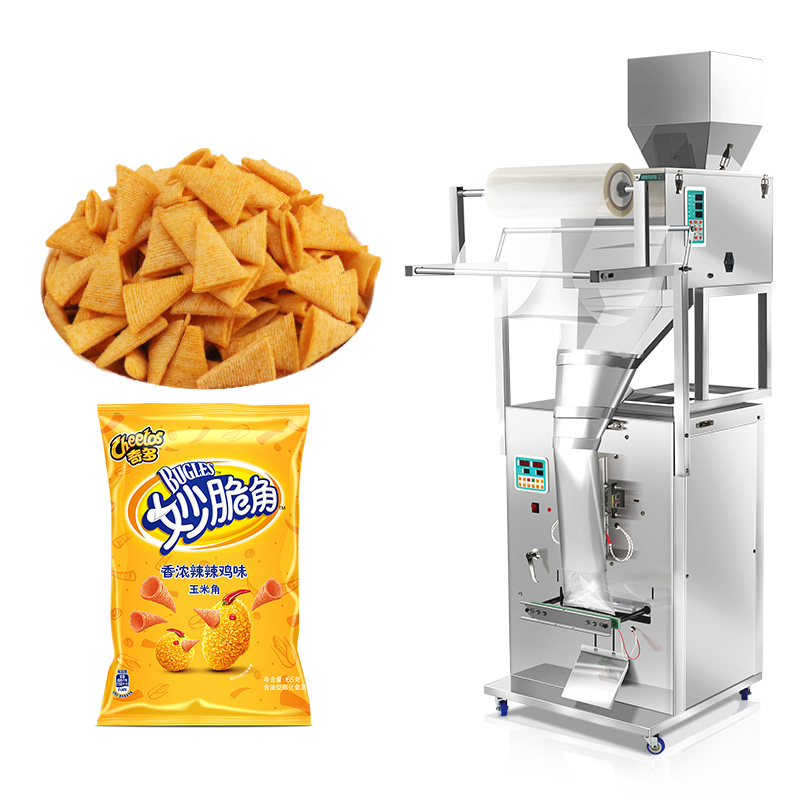
2025 Vertical Plastic and Paper Packaging Machine for Potato Chips and Coffee Bags
- Servo-driven film pull belts
- Quick-exchange former collar system
- Continuous nitrogen air flush module
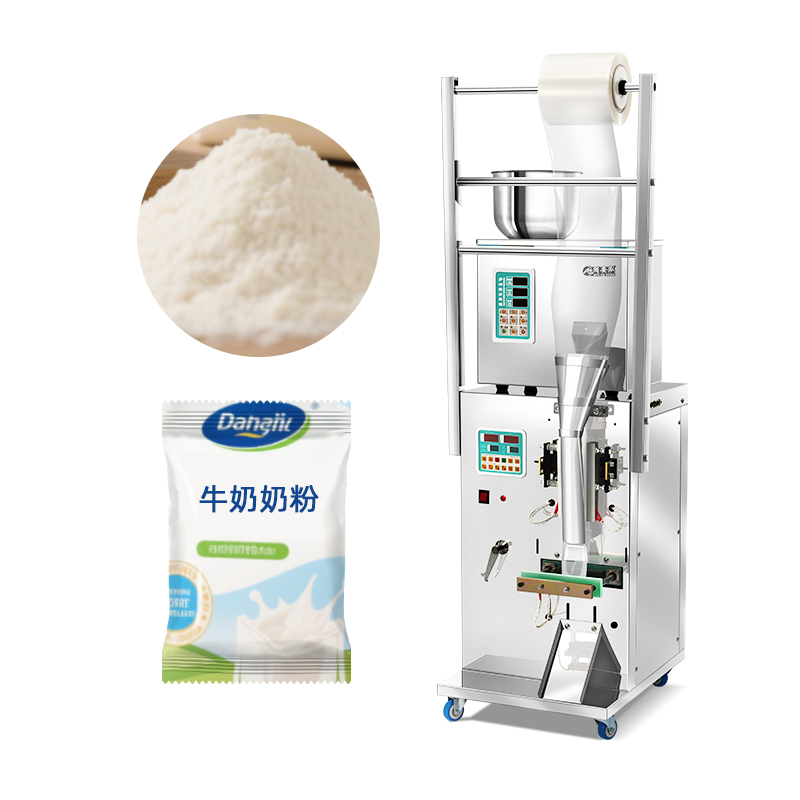
Hot Sale Automatic Filling & Sealing Machine for Film Bags and Small Sachets Powder Packaging
- Food-grade SUS316L auger screw
- Integrated de-aeration extraction
- Accuracy tolerance within ±0.5%
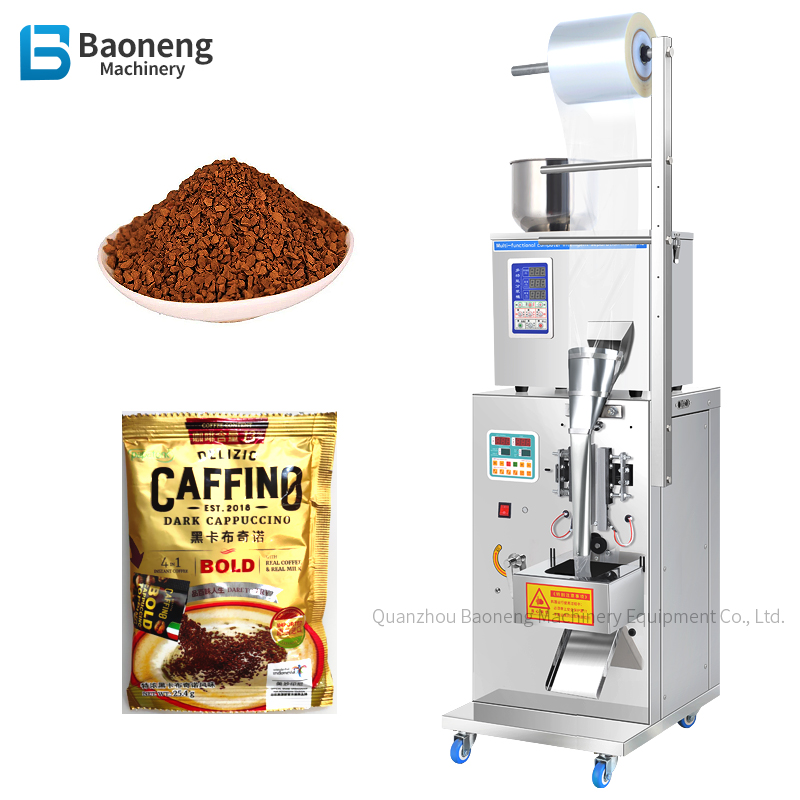
Multi-Function Plastic Automatic Tea Bag Packing Machine for Particle and Powder Coffee Beans
- Volumetric cup & counting feed
- Embossed hot-stamp date coding
- Minimal footprint footprint design
Station-by-Station Kinematics of Rotary Packaging Automation
A technical deconstruction of multi-station rotary indexing tables, cam mechanics, and servo synchronization for B2B plant engineers and industrial packaging line designers.
Station 1–2: Infeed & Thermal Imprinting
Premade pouches are transferred from the horizontal magazine via mechanical vacuum suction cups. Pneumatic pick-and-place grippers automatically adjust clamping tension according to film thickness (60–180μm). Station 2 integrates hot-stamp ribbon printers or industrial continuous inkjet (CIJ) markers, paired with high-resolution vision sensors to verify 1D/2D barcode legibility prior to fill cycles.
Station 3–4: Zipper Opening & Detection
For reclosable stand-up pouches, custom dual-claw assemblies unclamp the mechanical zipper track while vacuum suction cups expand the front and rear panels. Micro-differential pneumatic sensors verify complete pouch aperture. If an un-opened pouch is detected, the PLC safety program triggers a "No-Bag-No-Fill" lockout, bypassing dosing to prevent product spillage and cross-contamination.
Station 5–6: Multi-Stage Dosing & Nitrogen Purge
Product loading combines an interchangeable auger screw (for cohesive powders) or multi-head combination weighers (for irregular solid snacks). A de-dusting extraction manifold removes floating particulates from the bag mouth seal zone. Concurrently, needle injection valves deliver high-purity nitrogen flushing (residual O₂ levels reduced to below 1.5%), dramatically extending food shelf life.
Station 7: Hermetic Heat Sealing
Brass or specialized beryllium-copper heat-sealing bars apply uniform thermal energy across the pouch header. PID digital temperature controllers maintain seal-face variance within ±1°C, ensuring robust burst pressures across polyethylene (PE), aluminum oxide (AlOx), metalized PET, and barrier kraft paper films without localized pinholing or edge degradation.
Station 8: Quench Cooling & Discharge
Chilled water or pneumatic-press cold blocks instantly crystallize the molecular structure of the molten polymer seal area. This eliminates seal warping, stabilizes flat pouch aesthetics, and maximizes seam peel strength. Defective units are rejected via pneumatically actuated diverter flaps prior to entering downstream inline checkweighers and case packers.
Engineering Safety & Interlocks
All rotary indexing points are enclosed with interlocked poly-carbonate safety glass meeting CE 2006/42/EC directives. Emergency stops, pneumatic drop-safe check valves, and IP65 washdown servo enclosures protect line operators while ensuring 99.2% plant uptime across continuous 24/7 industrial production shifts.
Rotary Premade Pouch vs. Vertical Form-Fill-Seal (VFFS) vs. Inline Machines
A rigorous comparative analysis to guide capital equipment procurement teams in selecting the optimal packaging line footprint, packaging speed, changeover agility, and lifecycle cost.
| Evaluation Parameter | Rotary Premade Pouch Machine | Vertical Form-Fill-Seal (VFFS) | Continuous Inline Horizontal |
|---|---|---|---|
| Packaging Style Agility | Highest Doypack, 3/4-side seal, stand-up zipper, shaped bags | Pillow bags, gusseted bags, quad-seal box bags from roll stock | Flat 3/4-side sachets, twin sachets, flat pouches |
| Factory Footprint | Ultra-Compact (approx. 2.2m × 1.8m) Circular rotary indexing saves 40% floor space | Small horizontal footprint, requires significant vertical clearance (>3.8m) | Long linear profile (often exceeding 5.5m in line length) |
| Toolless Changeover Time | 15–30 Minutes (Digital recipe recall + one-touch gripper adjustment) | 45–90 Minutes (Forming collar and roll film splice change) | 60–120 Minutes (Mechanical guide rails, seal jaw alignment) |
| Hermetic Seal Integrity | Superior Dedicated dual heating stations + dedicated quench cooling | Moderate (Rapid pull-down stroke limits thermal dwell time) | High (Continuous thermal conduction bars) |
| Packaging Film Scrap Rate | < 0.2% (No scrap from film forming; no bag opened = no fill) | 1.5% – 3.0% (Trimmings, machine setup, roll-end splices) | 1.0% – 2.0% (Web guiding adjustments and slit waste) |
| Optimal Production Batch Size | High-mix / medium-to-large SKU varieties (Contract packagers) | Dedicated single-SKU, ultra-high-volume bulk runs | Ultra-high-volume standard consumer portion sachets |
Future Procurement Trends in Rotary Packaging Automation
Key technological, regulatory, and environmental shifts reshaping how plant directors and OEM brand owners evaluate machine investments over the next decade.
Mono-Material & Paper Transition
Global plastic bans and Extended Producer Responsibility (EPR) regulations are driving a shift toward mono-PE, mono-PP, and biodegradable barrier papers. These films possess narrow thermal sealing windows (often < 5°C). Next-generation rotary seal bars employ precision pulse heating and ceramic thermal isolators to achieve hermetic joints without puncturing or burning heat-sensitive compostable substrates.
Total Cost of Ownership (TCO)
Procurement is moving past pure purchase price (CapEx) to prioritize 10-year lifecycle expenditure (OpEx). Key indicators include kilowatt-hour consumption per 10,000 pouches, mechanical cam wear tolerances, and consumable parts replacement cycles. SAM Machinery rotary systems utilize energy-regenerative servo drives, reducing power draw by up to 28% compared to pneumatic machines.
Modular Quick-Change Gripper Jaws
Contract packaging manufacturers face shifting demand toward multi-SKU product customization. Factory-standard rotary packaging tables now incorporate one-touch pneumatic motorized width adjustments. Operators can transition pouch width formats (e.g., from 80mm cosmetic sachets to 220mm family-sized protein powder zipper pouches) in under 15 minutes directly from the HMI screen.
Turnkey Upstream & Downstream Sync
Procurement directors avoid isolated equipment islands. Today’s request for quotes (RFQs) demand centralized line integration: from vacuum pneumatic powder conveyors and multi-head weighers upstream, to downstream checkweighers, X-ray metal contaminant detectors, robotic delta pick-and-place case packers, and automated palletizing cells via standardized PackML protocols.
Industry 4.0 & Advanced Packaging Technology Evolution
Examining the transition from electro-mechanical cam linkages to full servo kinematics, edge AI machine vision, and remote IoT diagnostics.
Direct-Drive Servo Kinematics
Traditional rotary machines relied heavily on mechanical geneva wheels and external open gears prone to backlash and wear. Modern OEM designs employ heavy-duty direct-drive torque servo motors coupled with high-precision planetary reducers. This provides smooth acceleration/deceleration profiles, preventing liquid sloshing during high-speed rotation and reducing mechanical vibration by 65%.
Ultrasonic Cold Sealing Integration
For heat-sensitive items (chocolates, active pharmaceuticals, volatile chemicals) and liquid packaging prone to product splashing in the seal zone, ultrasonic sealing options are replacing conduction heat. Ultrasonic sonic horns create microscopic molecular friction inside the laminate barrier, sealing straight through grease, liquid films, or loose powder dust without scorching the outer packaging layers.
IoT Remote Telemetry & Predictive Maintenance
Equipped with industrial Ethernet (EtherCAT / PROFINET) interfaces and secure VPN gateway routers, each SAM machine streams real-time status data: pneumatic pressure drops, cycle temperatures, motor torque deviations, and seal cycles. Remote diagnostics resolve over 90% of software anomalies without field service dispatches, preventing unscheduled line downtime.
Quanzhou SAM Machinery: Onsite Verified Production Power
Combining 4,800 m² of specialized manufacturing floorspace, precision CNC sheet metal machining, and strict CE & RoHS quality assurance for global industrial clients.
Precision In-House Machinery Manufacturing Metallurgy
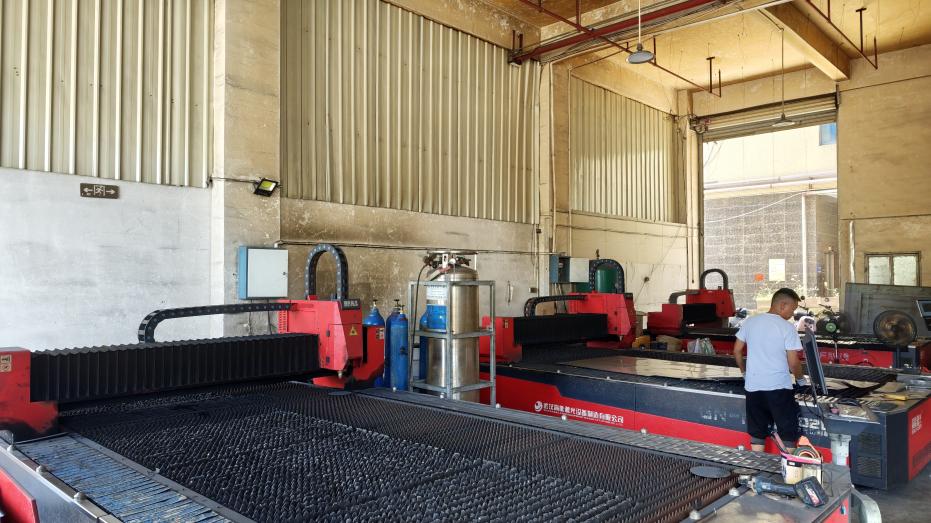
Fiber Laser Cutting
High-power CNC fiber lasers cut heavy stainless structural frames and forming parts to ±0.05mm tolerances, eliminating burrs and micro-stresses.
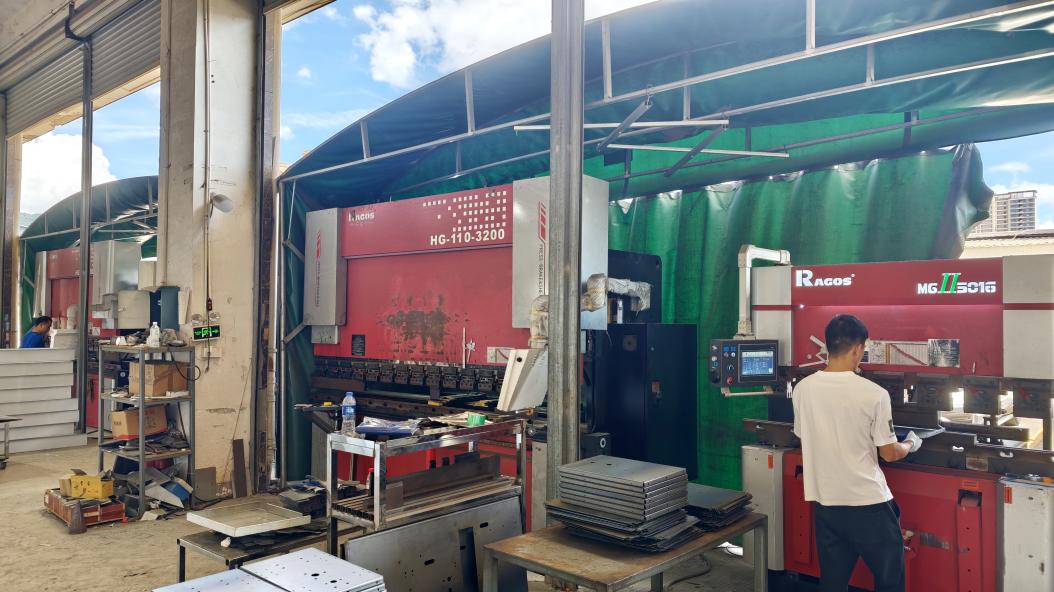
Multi-Axis CNC Bending
Automated electro-hydraulic press brakes bend machine chassis panels, product chutes, and hoppers with angular consistency across production runs.
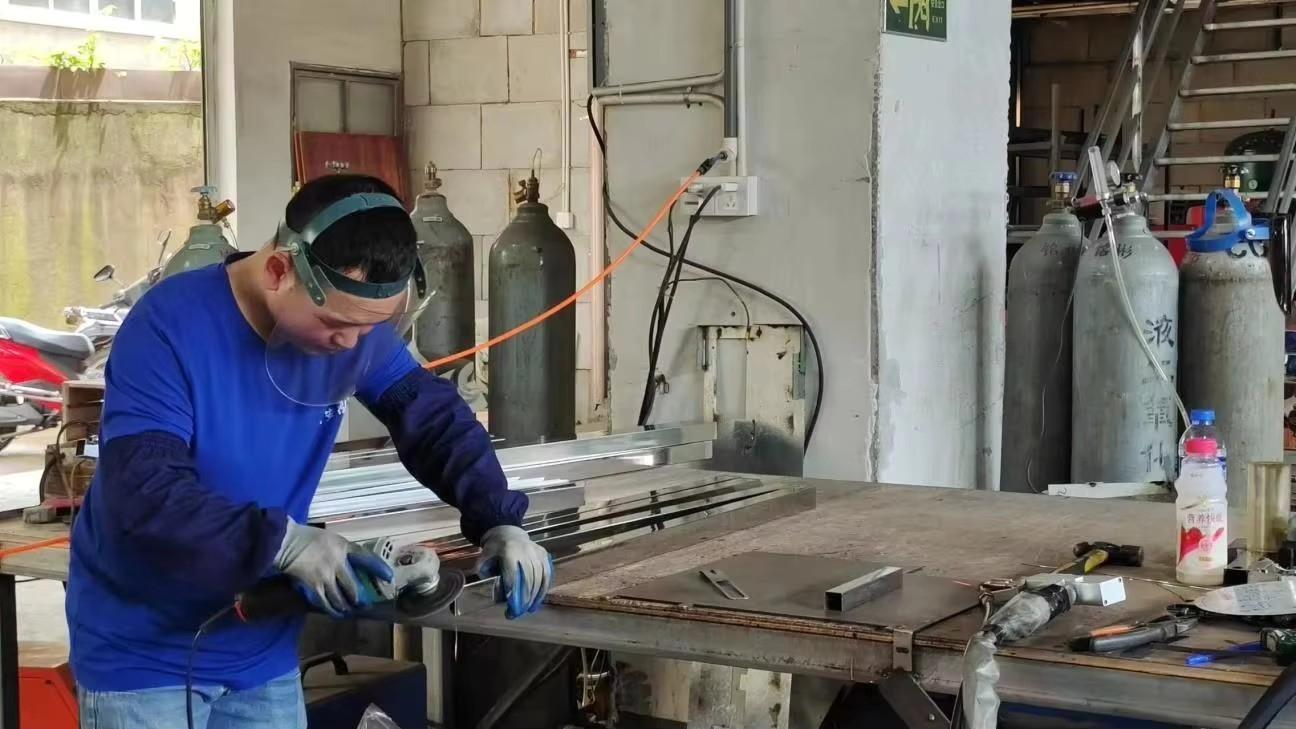
Sanitary Surface Polishing
All contact surfaces are polished to food/pharma standards (Ra < 0.4μm). TIG welds are passivated to eliminate chemical oxidation and bacterial harbors.
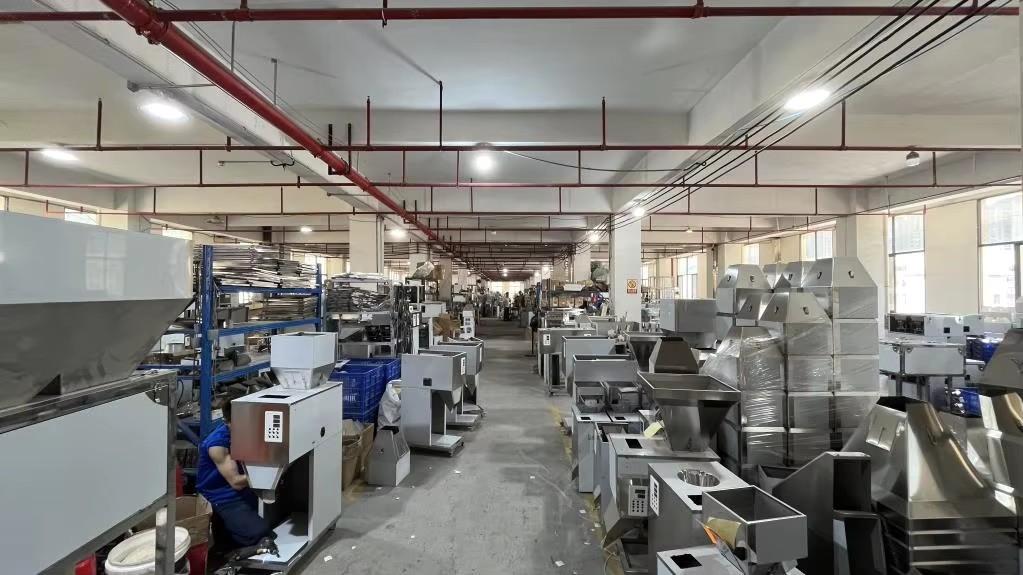
Modular Line Assembly
Mechanical drivetrains, Festo/Airtac pneumatics, and Schneider/Siemens electrical assemblies are integrated by certified electromechanical technicians.
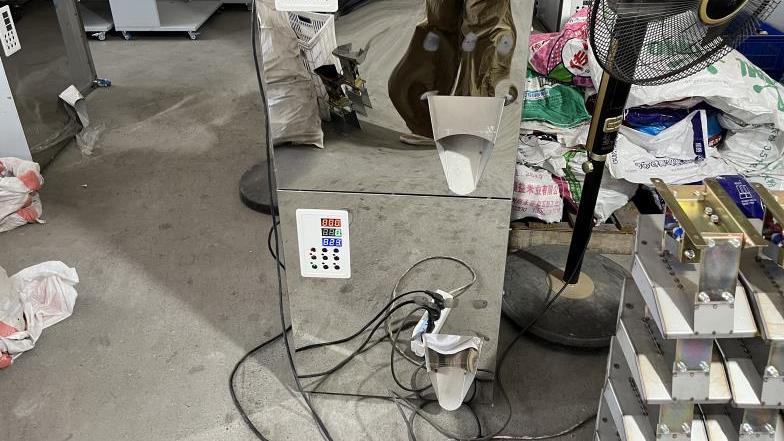
Multi-Point Electrical & Safety QC
Dielectric insulation testing, emergency stop circuit auditing, grounding resistance checks, and pneumatic leak decays are conducted systematically.
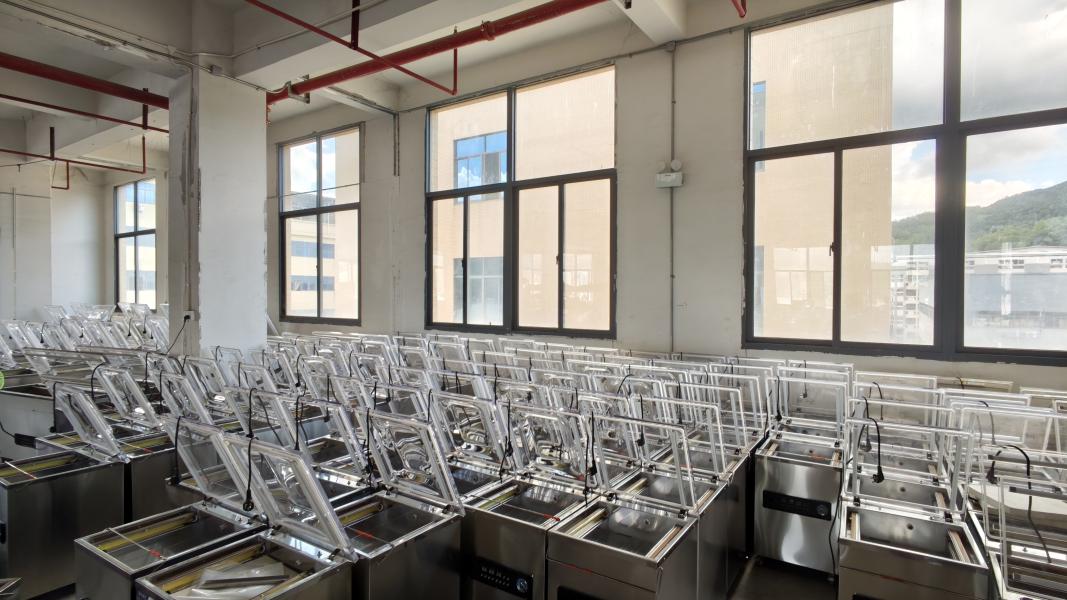
72-Hour Continuous FAT Testing
Every packaging unit undergoes a minimum 72-hour non-stop dry cycle and wet-material run with your target film to verify seal integrity prior to export crating.
DOCUMENTED GLOBAL COMPLIANCE & INSPECTION VERIFICATION



Frequently Asked Questions by Industrial Sourcing Teams
Comprehensive answers regarding machine customization, material rheology testing, electrical standards, lead times, and international after-sales support.