4,800 m²
Modern Production Hub
±0.5%
Servo Dosing Accuracy
30+
Global Export Markets
72+
Verified Technical Staff
Enterprise Product Line
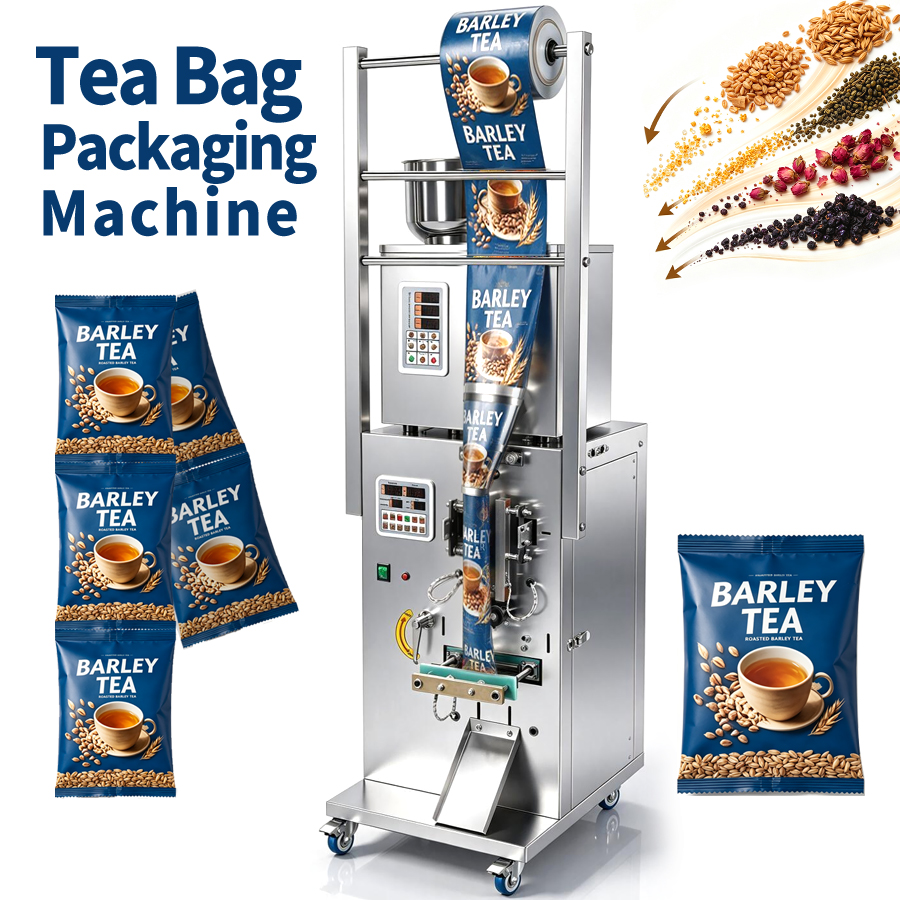
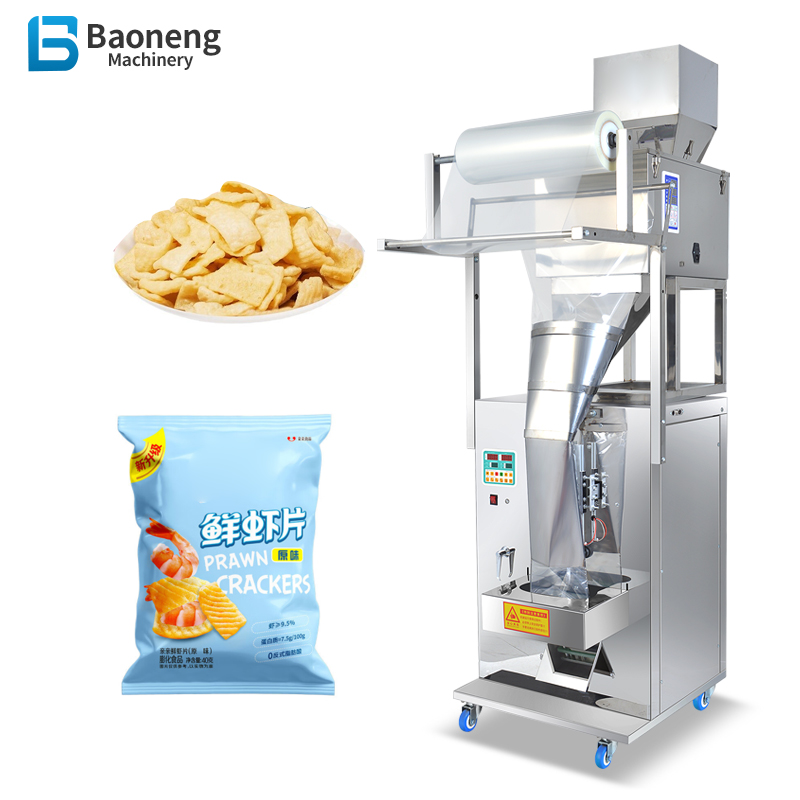
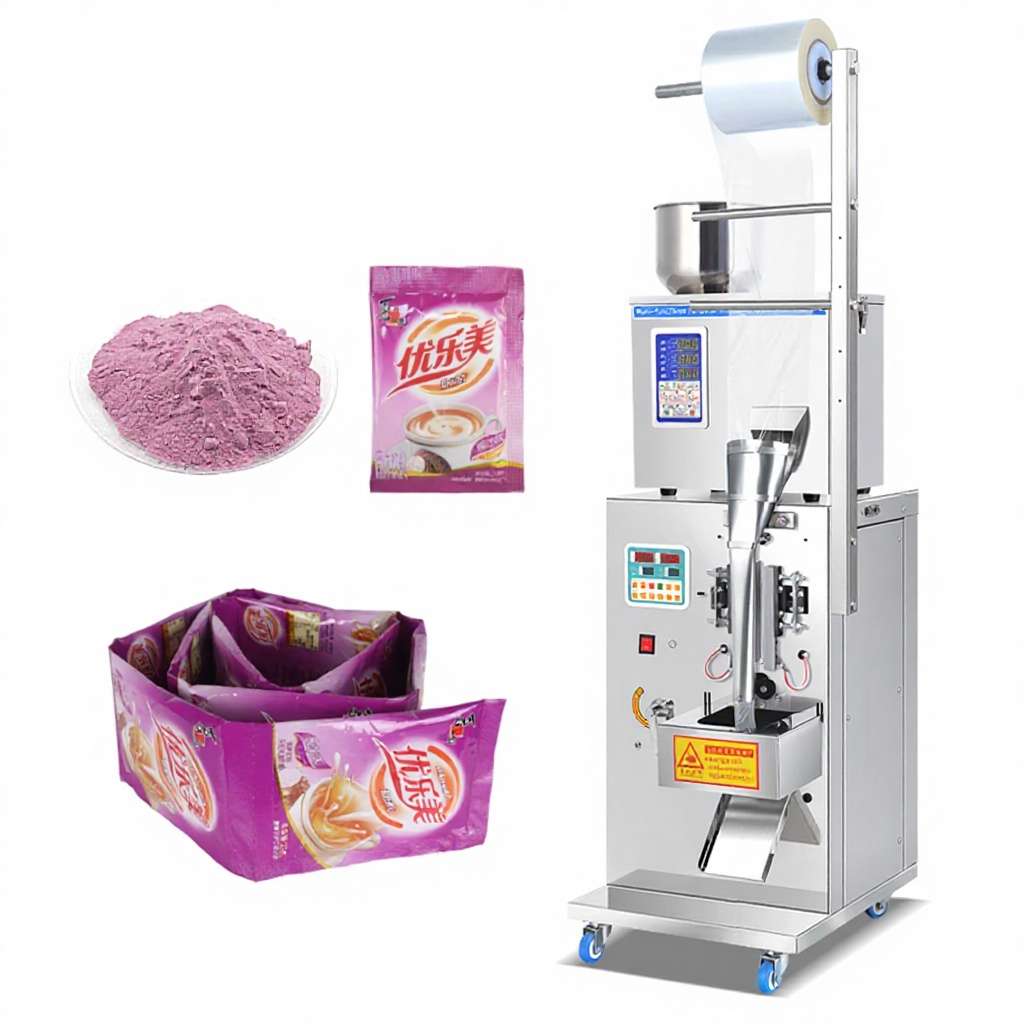
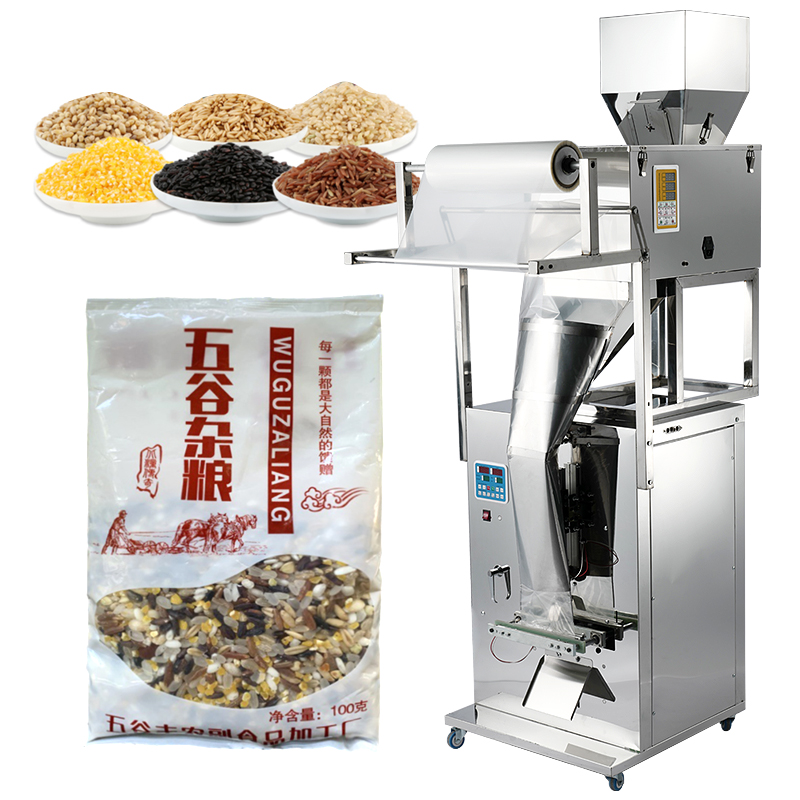
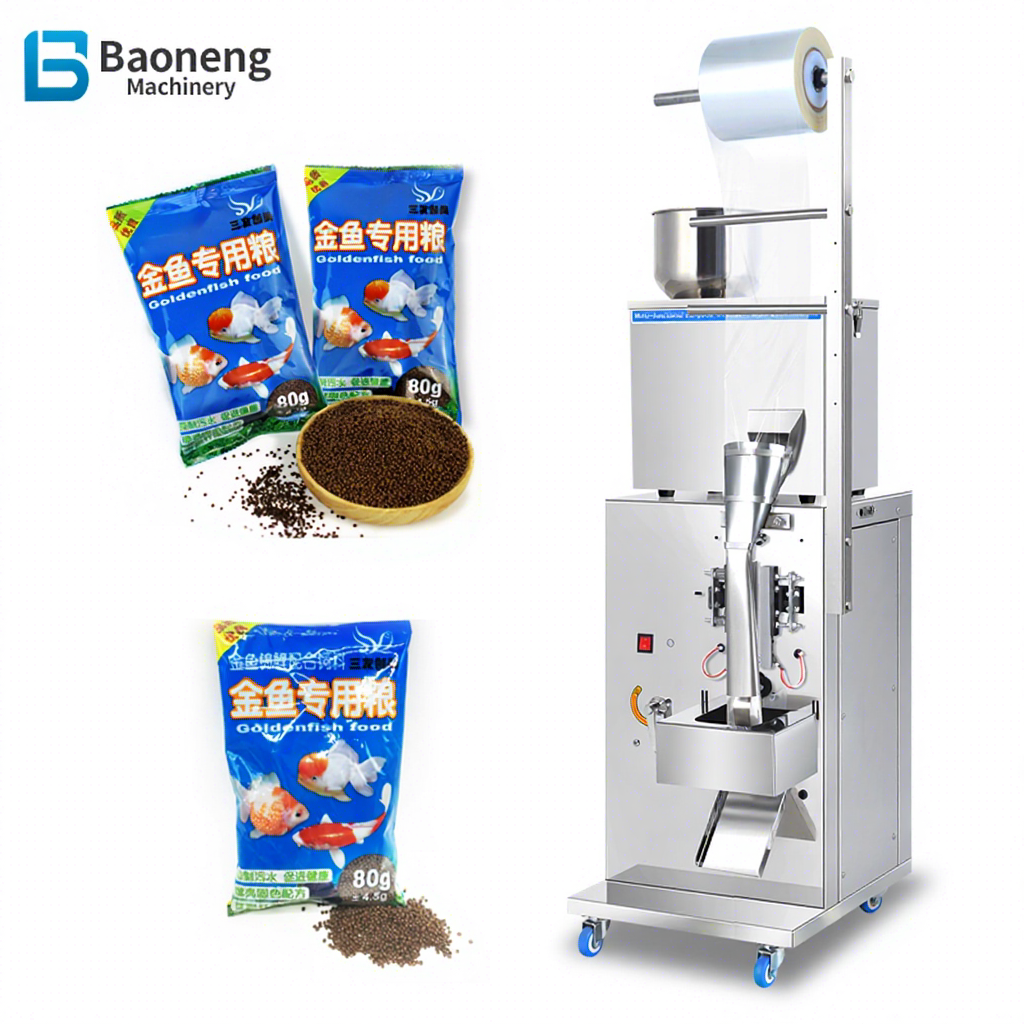
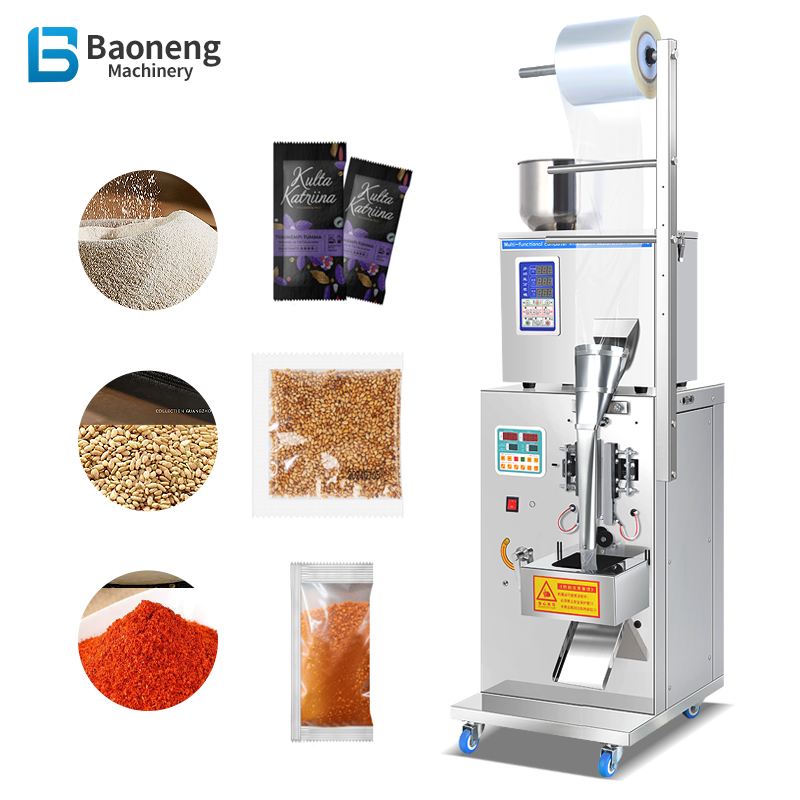
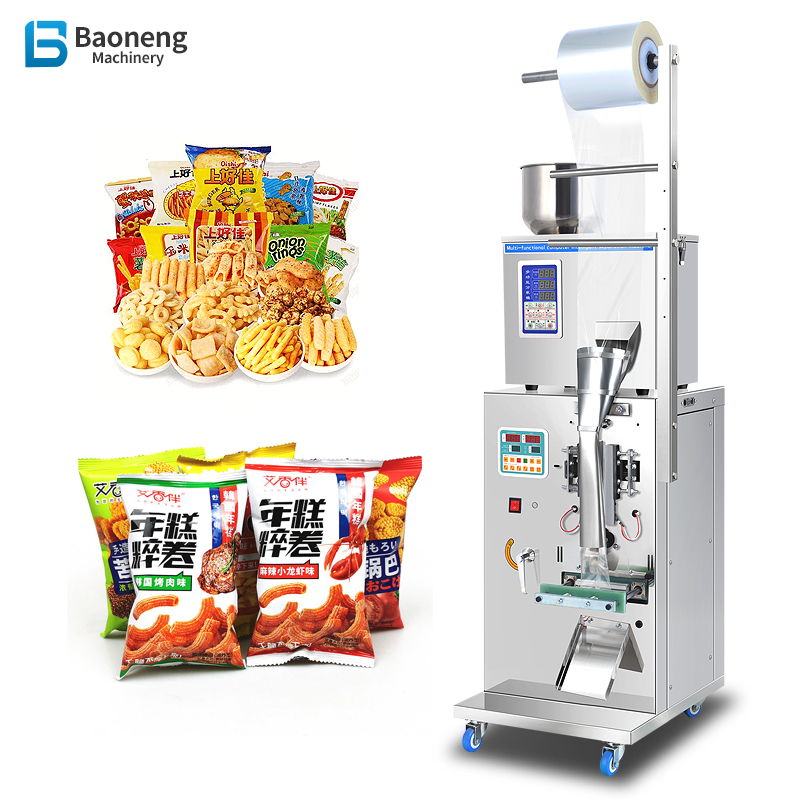
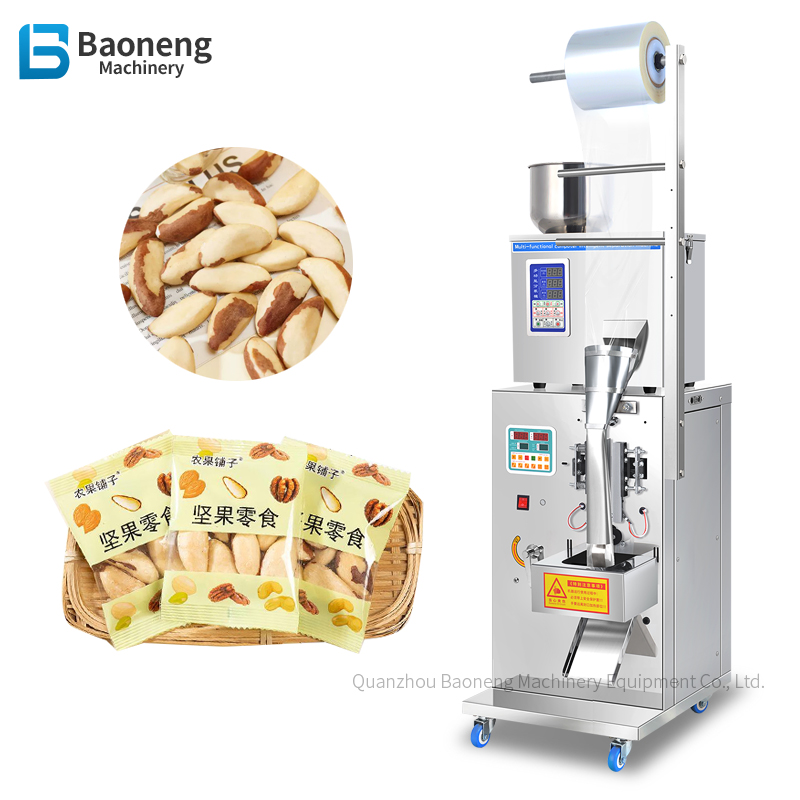
Recommended Automated Packaging & Paste Filling Machinery
Browse our factory-tested packaging and filling systems configured for diverse physical phases, from high-viscosity pastes and sauces to ultra-fine powders, granules, and rigid packaging formats.
Engineering Whitepaper • Rheology & Automation
Technical Architecture of Industrial Paste Filling Systems
In modern industrial packaging, dosing high-viscosity semi-solids—commonly categorized under paste packaging machinery—presents distinct fluid-mechanical challenges that differ fundamentally from free-flowing liquid packaging. A professional OEM/ODM paste filling machine manufacturer must calculate kinematic viscosity (ν), non-Newtonian shear-thinning (pseudoplastic) properties, thixotropy, and surface tension dynamics before specifying a volumetric drive train.
Whether handling viscous food condiments (tomato paste, peanut butter, raw honey, mayonnaise), cosmetic emulsions (thick skincare creams, ointments, pomades), or industrial sealants (silicone, thermal grease, solvent adhesives), volumetric accuracy hinges on eliminating aeration, countering hydraulic back-pressure, and avoiding cavitation across filling strokes.
Core Engineering Rule: When processing pseudoplastic paste slurries with shear rates exceeding 10,000 mPa·s, standard rotary gravity nozzles create severe stringing, dripping, and seal contamination. Reliable turnkey production mandates servo-driven positive displacement piston cylinders combined with pneumatic anti-drip shut-off diving nozzles.
Positive Displacement vs. Rotary Gear Dosing Mechanics
Industrial procurement teams routinely weigh servo-driven piston filling mechanisms against positive displacement rotary lobe pumps. For high-density pastes with solid particulate suspensions (e.g., salsa with diced onions, chili pastes with whole pepper seeds), the mechanical tolerance within the filling cylinder determines particulate structural integrity. Piston systems actuated by closed-loop ball screws allow micro-meter adjustments to piston velocity profiles during suction and discharge strokes. This dynamic deceleration suppresses tailing and pressure spikes, keeping fill variance below ±0.5% by mass.
| Dosing Mechanism | Target Viscosity (cP) | Volumetric Repeatability | Particulate Capability | Optimal Paste Applications |
|---|---|---|---|---|
| Pneumatic Piston Filler | 1,000 – 80,000 | ±1.0% | Up to 8mm soft solids | Honey, cosmetic lotions, fruit jams, ketchup sachets |
| Servo-Actuated Ball-Screw Piston | 1,000 – 300,000 | ±0.2% to ±0.5% | Up to 15mm suspended matter | Medical ointments, thick pastes, peanut butter, sealants |
| Positive Displacement Rotary Lobe | 500 – 150,000 | ±0.8% | Up to 12mm soft particulate | Continuous bottle filling lines, chocolate spreads, butter |
| Progressive Cavity / Rotor-Stator | 5,000 – 1,000,000 | ±0.5% | Extremely sensitive slurries | Industrial resins, heavy grease, abrasive thermal compounds |
Strategic Sourcing Insights
Future Procurement Trends in Automated Paste Packaging
As packaging directives become stricter worldwide, OEMs and plant managers must align machine purchases with the structural transformation of multi-lane and flexible packaging platforms.
Mono-Material & Recyclable Film Handling
Global extended producer responsibility (EPR) mandates are phasing out traditional laminated aluminum films in favor of mono-PE, PP, or recyclable EVOH barrier films. Because these films have narrow sealing temperature windows, our next-generation paste VFFS machines incorporate independent digital PID heat controllers and servo-driven continuous sealing jaws to prevent burn-through or seal leaks on oily pastes.
Automated CIP/SIP Sanitary Integration
Stringent FDA, 3-A Sanitary, and EHEDG standards require thorough sanitation during flavor, shade, or batch changeovers. Modern paste packaging systems are engineered with quick-release 316L tri-clamp fittings, fully drainable rotary valves, and automated Clean-In-Place (CIP) recirculation spray balls, reducing sanitation downtime from hours to under 20 minutes.
Digital Traceability & IoT Sensor Arrays
Procuring teams prioritize machinery equipped with Ethernet/IP, Profinet, or MQTT gateways. In-line laser seal inspection sensors, real-time hopper level load cells, and stroke-by-stroke torque monitors identify nozzle clogging or seal entrapment instantly, transmitting operational diagnostics directly to centralized MES architectures.
Enterprise Verification
Why Source From Quanzhou SAM Machinery Equipment Co., Ltd.
Direct factory production, rigorous physical inspections, and dedicated engineering oversight ensure equipment reliability and eliminate intermediary markups.
TÜV Audited
Verified Manufacturing Facility
Our 4,800 m² production facility in Fujian, China, has passed independent onsite verification by TÜV Rheinland. We maintain dedicated heavy-metal laser cutting, CNC plate bending, automated polishing, and rigorous test-run staging areas.
Compliance
Full CE & RoHS Certification
Machinery systems comply strictly with European Machinery Directive 2006/42/EC and Low Voltage Directive 2014/35/EU. Food-contact product zones are fabricated exclusively from certified SUS304 or medical SUS316L stainless steel.
OEM / ODM
Engineering Customization
From minor layout adaptations (hopper heating jackets, screw scrapers, agitators) to custom PLC touchscreens (multi-language options) and bespoke multi-lane stick or doypack tooling, our 72 verified staff execute precision OEM/ODM blueprints.
Rapid Response
Global Technical Assistance
Exporting to more than 30 countries across North America, Europe, Southeast Asia, and the Middle East, our technical service team maintains a 97% inquiry response rate, providing FAT videos, remote telemetry debugging, and priority spare parts dispatch.
Production Execution
OEM/ODM Machine Customization Roadmap
Our engineering workflow takes custom packaging equipment from preliminary product rheology testing to final factory acceptance (FAT) and line commissioning.
01
Rheological Audit & Sizing
Buyers share paste characteristics (apparent viscosity, solid particulates, filling temperature) and target packaging styles (pillow pouch, 3-side seal, stick pack, preformed doypack). Our engineers confirm piston sizing, seal pressure, and hopper agitation requirements.
02
CAD/SolidWorks Design
Our R&D engineering department generates comprehensive 3D assemblies, detailing mechanical dive depths, pneumatic valve timings, heating coil wattages, and electronic schematics to prevent electrical interference.
03
CNC Machining & Assembly
Stainless steel structural frames and sanitary components are cut with high-precision fiber lasers, bent via CNC press brakes, dressed by hand-polishing specialists, and assembled with premier electrical and pneumatic controls (Omron, Schneider, Airtac).
04
Continuous FAT Testing
Every packaging unit undergoes continuous 48-hour endurance test runs using actual client film materials and simulated paste fluids to verify weight consistency, seal integrity, and emergency stop interlocks prior to wooden crate packaging.
Procurement Knowledge Base
Frequently Asked Questions for Sourcing Paste Fillers
Clear answers to technical and operational questions that packaging plant directors, procurement managers, and OEM clients review before placing machinery orders.
?
How do you eliminate dripping and stringing when packaging sticky or viscous pastes?
Dripping and tailing are typically solved with three engineering features: (1) positive shut-off pneumatic diving nozzles that descend into the bag or bottle neck and retract while dispensing; (2) adjustable pneumatic air-blow or suck-back cut-off valves that draw excess liquid back into the nozzle orifice; and (3) heated nozzle tips that reduce product surface tension on sticky products like syrups, waxes, and honey.
?
Can a single paste filling machine switch between thin liquids and thick pastes?
Yes, provided the machine is engineered with a modular fluid path. By utilizing a quick-disconnect 3-way rotary valve assembly, operators can swap between a gravity/suction inlet (for free-flowing liquids like water or juice) and an augmented hopper equipped with an auger feed screw and reciprocating wiper blades (for thick pastes like tomato paste, peanut butter, or silicone).
?
What hopper customizations are available for temperature-sensitive products?
For products like chocolate, hot candle wax, cosmetic balms, and heavy gravies, we build double-jacketed hot water or thermal-oil heating hoppers with digital temperature controls up to 120°C. Additionally, low-speed horizontal or vertical variable-frequency paddle agitators prevent thermal layering and phase separation during operation.
?
What is the standard production lead time for an OEM/ODM paste packaging system?
Standard catalog configurations (such as single-lane vertical paste sachet machines) typically ship within 15 to 25 days. Fully customized lines—such as multi-lane stick packaging setups, custom pouch-forming tooling, explosion-proof ATEX ratings for solvent chemicals, or integrated robotic cartoners—generally require 35 to 50 business days, inclusive of Factory Acceptance Testing (FAT).
?
How do you guarantee seal integrity when paste splashes on the bag film edges?
Product contamination along seal seams causes pinholes and product spoilage. We resolve this by integrating synchronized servo-actuated bottom-up filling stroke profiles, anti-splash dive nozzles, and secondary seal protection plates. Furthermore, we can integrate ultrasonic sealing stations, which vibrate through fluid films to create solid molecular hermetic bonds even if trace oils touch the sealing margin.
?
What spare parts packages and maintenance protocols are recommended?
Every export shipment includes a 1-to-2 year wear-and-tear commissioning kit: food-grade Teflon/Viton piston seal rings, silicone cut-off nozzle gaskets, heating cartridge elements, thermocouple sensors, cutting knives, and pneumatic solenoids. Preventative maintenance simply requires monthly inspection of cylinder seal gaskets and routine pneumatic filter lubrication.