High-Accuracy Packaging & Sealing Systems
Engineered for high-barrier foil, multi-layer laminates, and modified atmosphere packaging across global manufacturing facilities.
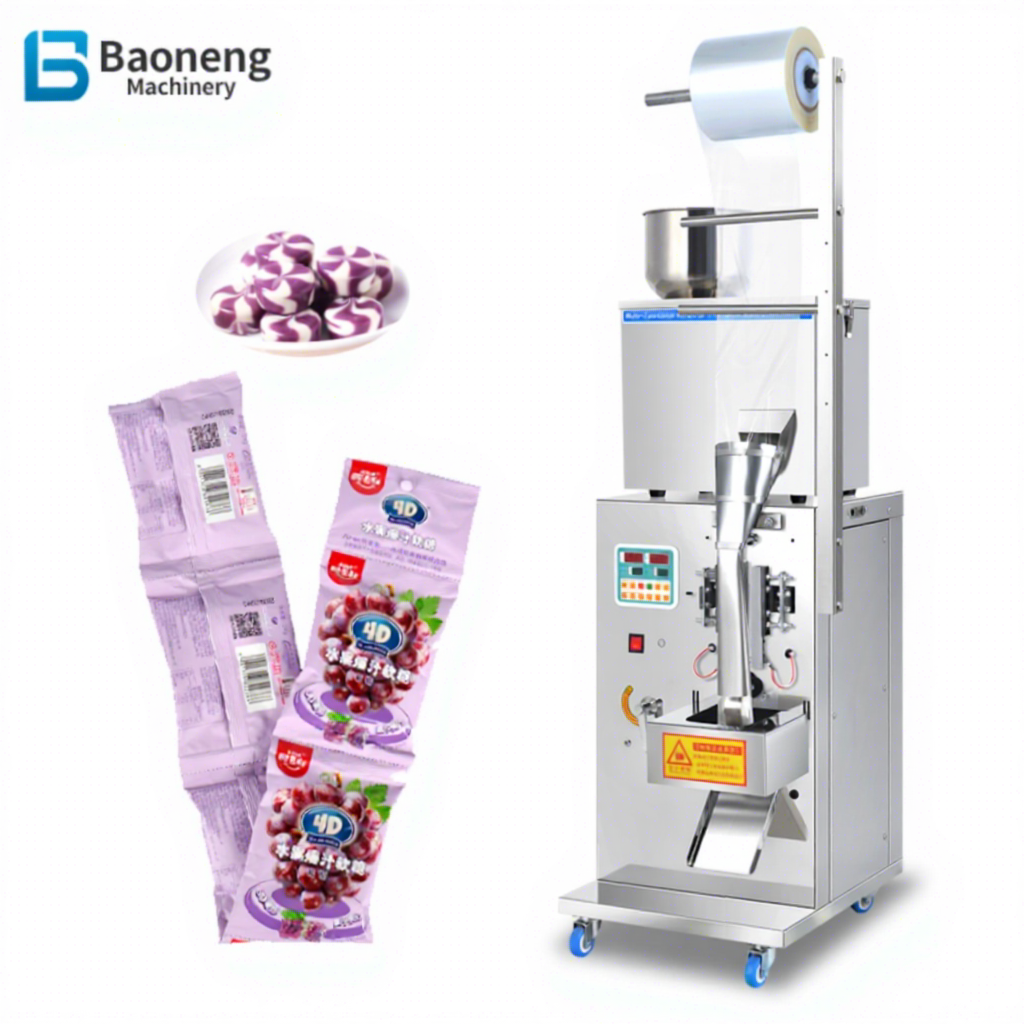
Automatic High-Accuracy Coffee & Milk Powder Filling & Sealing Machine
- Auger dosing with servo motor control
- Embossing, gluing & airtight sealing
- Suited for foil & laminated pouches
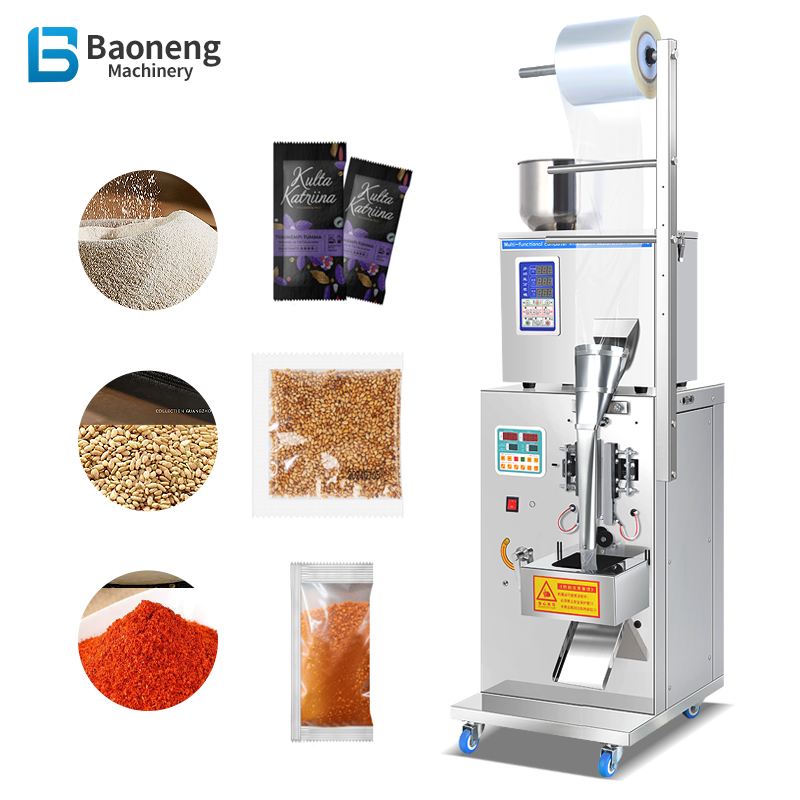
Fully Automatic Food Machinery for Sealing Paper & Plastic Bags
- Continuous multi-substrate sealing
- Sugar, pepper & dry food integration
- Leak-proof thermal sealing bar
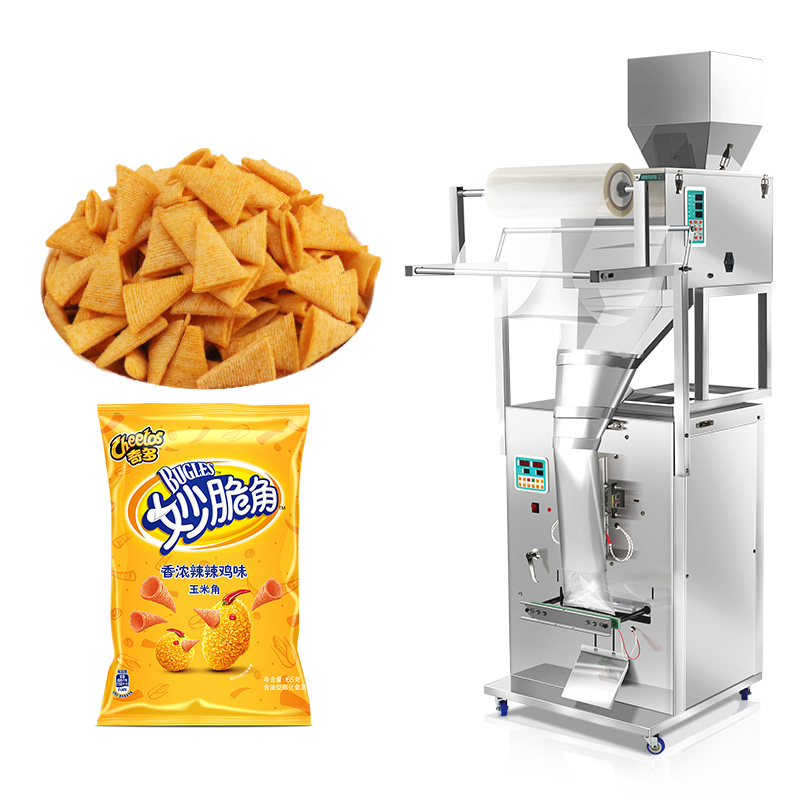
2025 Vertical Form-Fill-Seal Packaging & Sealing Machine
- Vertical pouch forming and sealing
- Crisp snack and coffee beans compatible
- High vacuum-purge seal ready
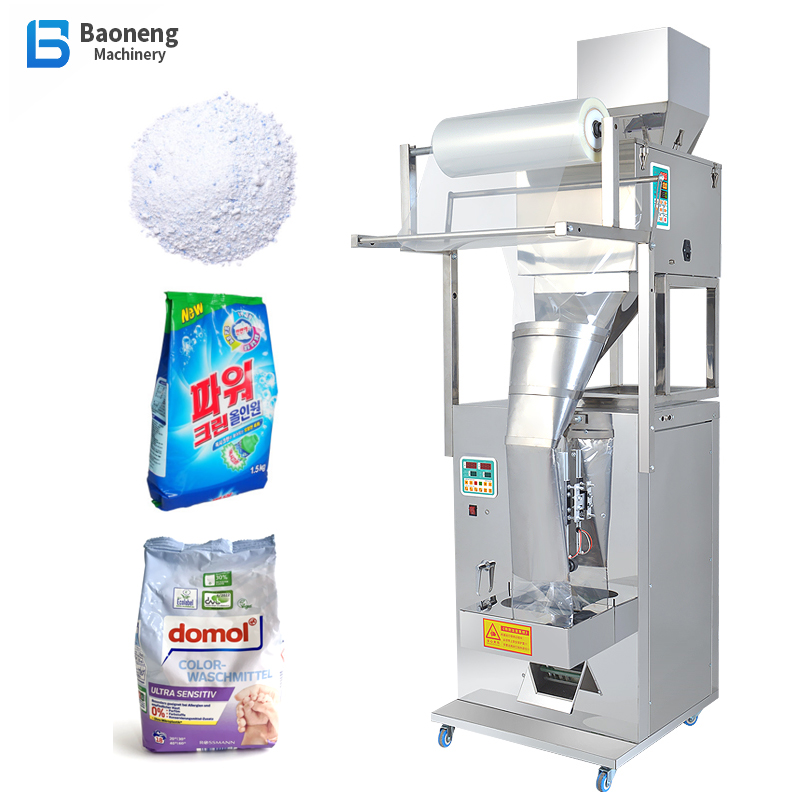
High-Speed Multi-Lane Automatic Stick Filling & Sealing Machine
- Multi-lane simultaneous stick packaging
- Precision volumetric flow calibration
- Hermetic stick seal integrity
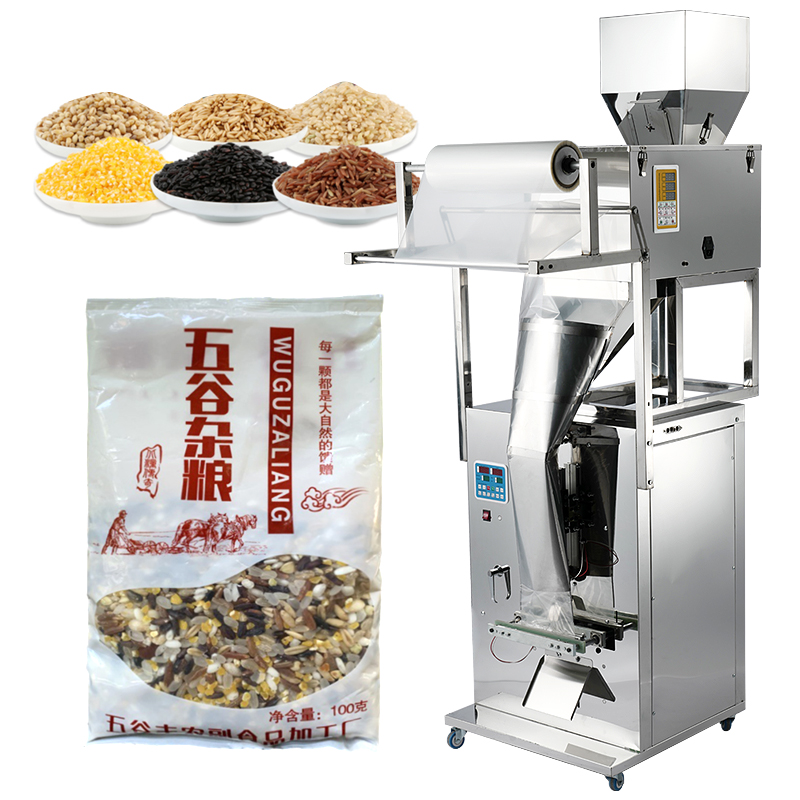
Automatic Multi-Function Candy & Granule Bag Sealing Machine
- Pre-formed pouch & roll film support
- Multi-head weigher synchronization
- Pillow & 3-side seal adaptability
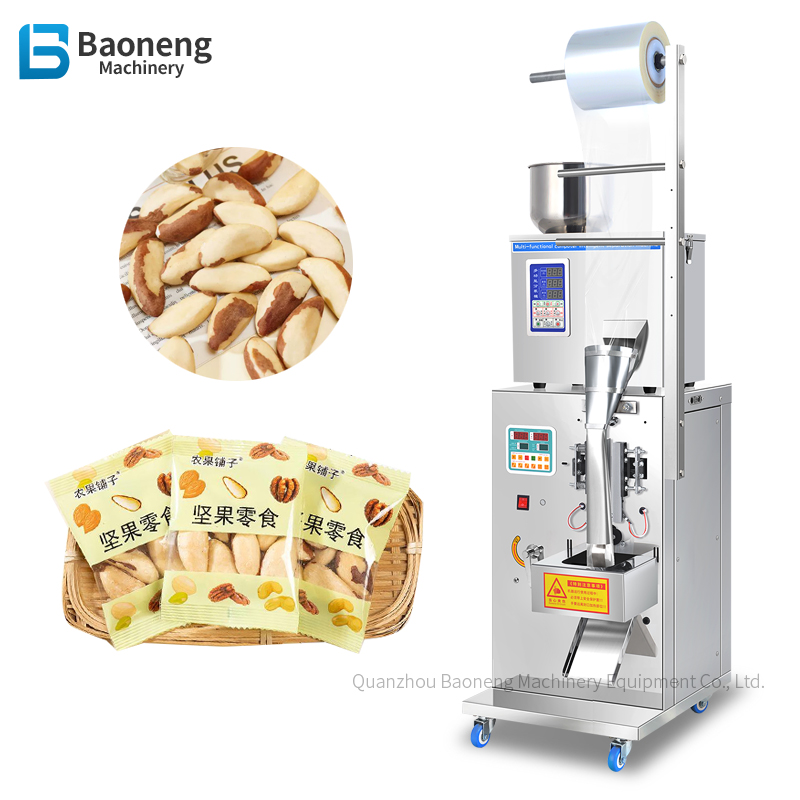
Electric Automatic Bottle & Container Precision Sealing Machine
- High-accuracy torque and induction heat
- Rigid plastic and glass jar application
- Zero-spill closure for viscous liquids
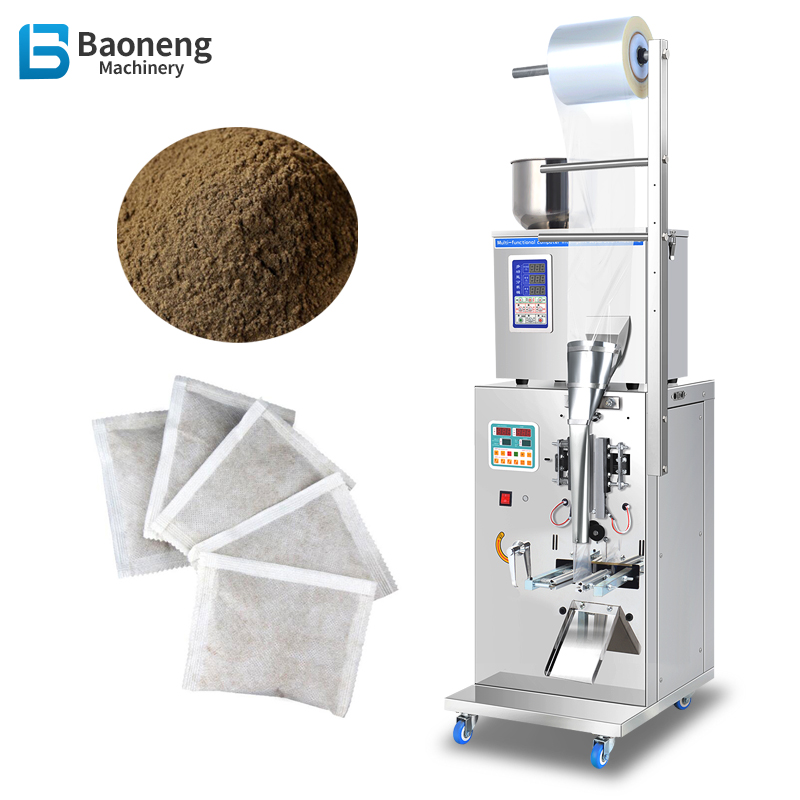
Automatic Vertical Powder Filling & Heavy Sealing Machine
- Reinforced seal bars for heavy bags
- Dust-extractor interface integration
- SUS304 food/chemical grade chassis
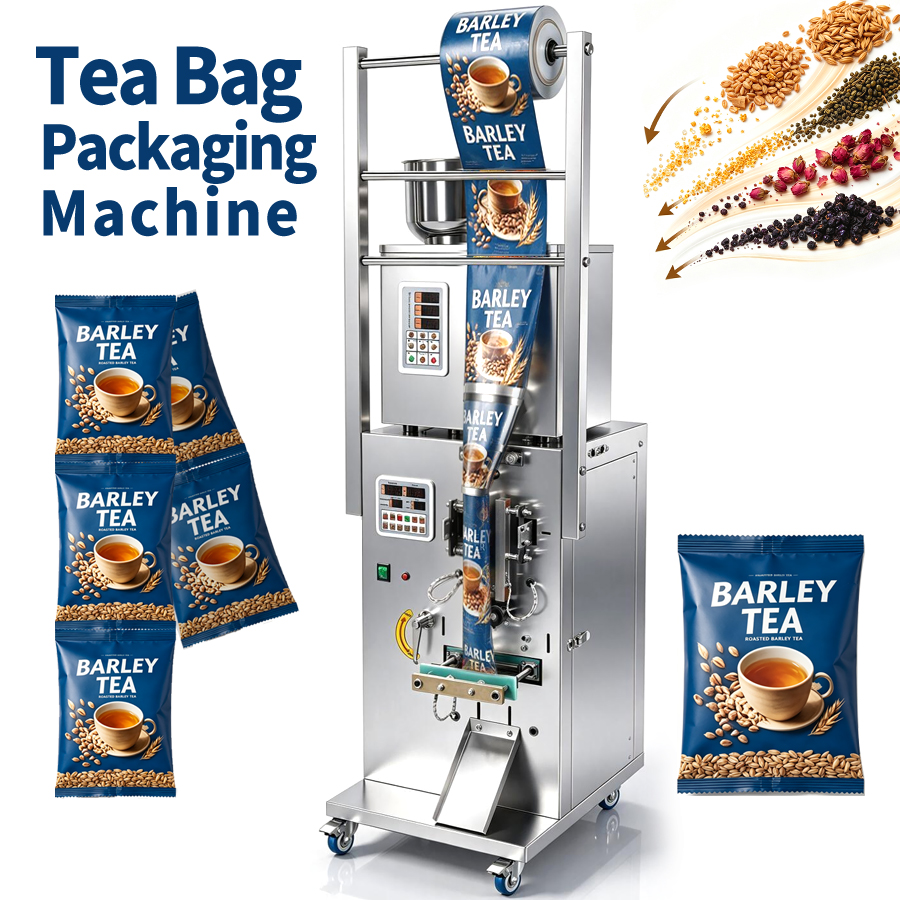
Automatic Tea Bag & Coffee Bean Nitrogen/Vacuum Sealing Machine
- Roll film forming, filling & sealing
- Gas flushing (MAP) optional module
- Aroma preservation heat sealing
Industrial Chamber Vacuum Sealing: The Physics of Preservation & Machinery Sourcing
In commercial food processing, pharmaceutical production, and precision electronics export, chamber vacuum sealing serves as the frontline defense against microbial proliferation, atmospheric oxidation, and mechanical friction. Unlike external suction sealers, true industrial chamber vacuum sealers evacuate atmospheric pressure from an entire sealed chamber, equalizing internal and external package pressures to permit the processing of liquids, delicate powders, and high-barrier structures without product evacuation or seam failure.
China’s manufacturing ecosystem for chamber vacuum packaging machinery has evolved from basic assembly operations into high-precision engineering hubs. Modern facilities incorporate German-engineered vacuum displacement pumps (such as Busch or high-capacity rotary vane oil pumps), Omron or Siemens programmable logic controllers (PLCs), and heavy-gauge SUS304 cold-rolled stainless steel chambers. For procurement directors, original equipment manufacturer (OEM) partners, and technical managers, evaluating Chinese vacuum packaging machinery requires a thorough understanding of mechanical kinematics, cycle pressure curves (reaching ultimate vacuum pressures below 1 hPa/mbar), and thermal impulse sealing dynamics.
Pressure Curve Dynamics
Industrial chamber vacuum machines operate on negative atmospheric delta curves. Achieving ultimate vacuum levels of 0.5 to 1 mbar requires precision-ground chamber tolerances, silicone seal matrices, and high-displacement rotary vane systems that prevent vapor flashover when sealing moist foods or liquid sachets.
Impulse Thermal Sealing
Seal failure accounts for over 84% of shelf-life degradation in commercial logistics. Top Chinese exporters integrate bi-active impulse sealing ribbons with independent PID temperature controllers, ensuring hermetic fusion across thick multi-layer barrier pouches (PA/PE, Aluminum foil, and biodegradable mono-films).
Modified Atmosphere (MAP)
For fragile or respirating goods, gas-flush injection modules replace the evacuated atmospheric void with calibrated gas mixtures (N2, CO2, O2). Advanced chamber machines feature gas buffer tanks and pneumatic injection needles capable of maintaining target gas mixes within a ±0.5% variance tolerance.
Technical Configuration Matrix: Industrial Vacuum Machine Archetypes
Procurement decisions must correlate machinery morphology with plant throughput requirements, package mass, and required cycles per minute. The following engineering comparison illustrates the performance trade-offs across common factory-scale platforms exported from Quanzhou SAM Machinery:
| Machinery Classification | Typical Chamber Volume | Pump Capacity (m³/h) | Cycle Output (ppm) | Primary Industrial Application |
|---|---|---|---|---|
| Tabletop Single Chamber | 15L – 35L | 20 – 40 m³/h | 1 – 2 cycles/min | R&D labs, commercial kitchens, small-batch electronics packaging |
| Double Chamber Heavy-Duty | 60L – 140L | 100 – 200 m³/h | 3 – 5 cycles/min | Meat packaging, bulk cheese wheels, institutional foodservice batches |
| Continuous Rotary Vacuum System | Multi-station inline | 300+ m³/h external | 40 – 80 bags/min | High-throughput snack foods, pickles, automated premade pouches |
| Deep-Draw Thermoforming Vacuum | Form-fill-seal line | Centralized vacuum | 10 – 25 cycles/min | Medical instruments, bacon strips, industrial hardware skin packaging |
Product & Procurement Trends Shaping Industrial Packaging (2025–2030)
As international trade regulations tighten around packaging waste, energy expenditure, and food safety, the chamber vacuum sealer and automated pouch packaging landscape is witnessing profound engineering evolution. International buyers seeking long-term operational viability must align capital asset procurement with the following four paradigm shifts:
Trend 01 Mono-Material Polyolefin Compatibility
With European PPWR (Packaging and Packaging Waste Regulation) mandating 100% recyclable packaging by 2030, traditional non-recyclable multi-material laminates (PET/ALU/PE) are being replaced with mono-material PE and PP barrier films. Modern vacuum sealers must feature micro-step digital temperature regulation to prevent film shrink and seal burn while guaranteeing hermetic integrity.
Trend 02 Edge-Computing & Predictive Maintenance
Leading Chinese manufacturers are transitioning from static microcontrollers to Industrial IoT (IIoT)-enabled PLC architectures. Embedded sensor arrays constantly monitor vacuum pump oil viscosity, heating element resistance degradation, and pneumatic piston pressure curves, sending alert telemetry to prevent catastrophic downtime during critical production seasons.
Trend 03 Variable Frequency Energy Optimization
Conventional rotary pumps run at fixed RPM, generating excessive thermal load and electrical waste during idle dwell periods. Next-generation chamber vacuum systems integrate VFD (Variable Frequency Drive) motors that ramp pump velocities based on instantaneous chamber vacuum sensors, reducing plant power consumption by up to 34% per 1,000 packing cycles.
Trend 04 Hygienic IP69K Washdown Engineering
Cross-contamination standards (USDA-FSIS, EHEDG) mandate rigorous sanitation procedures in protein packaging. Forward-thinking exporters are eliminating enclosed cavity chassis in favor of open-architecture, sloped-surface SUS304/SUS316 designs with IP69K ingress protection, allowing direct high-pressure caustic chemical washdown without moisture penetration.
Quanzhou SAM Machinery: Engineering Integrity & Export Authority
Established in 2019 in the industrial heart of Fujian, Quanzhou SAM Machinery Equipment Co., Ltd. operates as an audited custom manufacturer delivering high-accuracy powder, granule, liquid, and pouch sealing equipment. Our manufacturing facility has passed rigorous onsite assessment by TÜV Rheinland, confirming our status as a genuine origin manufacturer with dedicated engineering staff, laser cutting machinery, CNC press brakes, and continuous quality-control testing lines.
-
TÜV Rheinland Onsite Verified: Full verification of factory floorspace (4,800 m²), toolsets, and 72 technical personnel.
-
European CE Marking & RoHS Compliance: Designed and validated in alignment with the EU Machinery Directive 2006/42/EC.
-
Full-Spectrum Customization (OEM/ODM): Tailored augers, seal bar geometry, liquid pumps, and nitrogen-purge modules configured to your exact production tolerances.
-
Factory-Direct Global Export Terms: Streamlined logistics support across FOB, CIF, DDP, and FCA with multi-currency invoicing (USD, EUR, CAD, CNY).
Verified Quality Accreditations
Strict production standards meeting global machinery safety protocols.
Frequently Asked Questions on Vacuum Packaging Machinery
Direct technical answers to common queries raised by international procurement managers and project engineers.
What is the technical difference between an external suction sealer and a chamber vacuum sealer?
How do I determine the appropriate vacuum pump size (m³/h) for my packaging line?
Can SAM machinery handle fragile products without crushing them during sealing?
What steel grade and structural thicknesses are used in high-moisture/saline environments?
What is the standard procedure for sample material testing before placing an order?
What after-sales service and replacement wear parts are provided for international buyers?
Ready to Optimize Your Packaging Operations?
Share your target material, pouch dimensions, and required cycles per minute. Our chief packaging engineers will provide a comprehensive machinery specification sheet and competitive factory-direct proposal within 12 hours.