Featured Vertical Form Fill Seal & Packaging Automation Systems
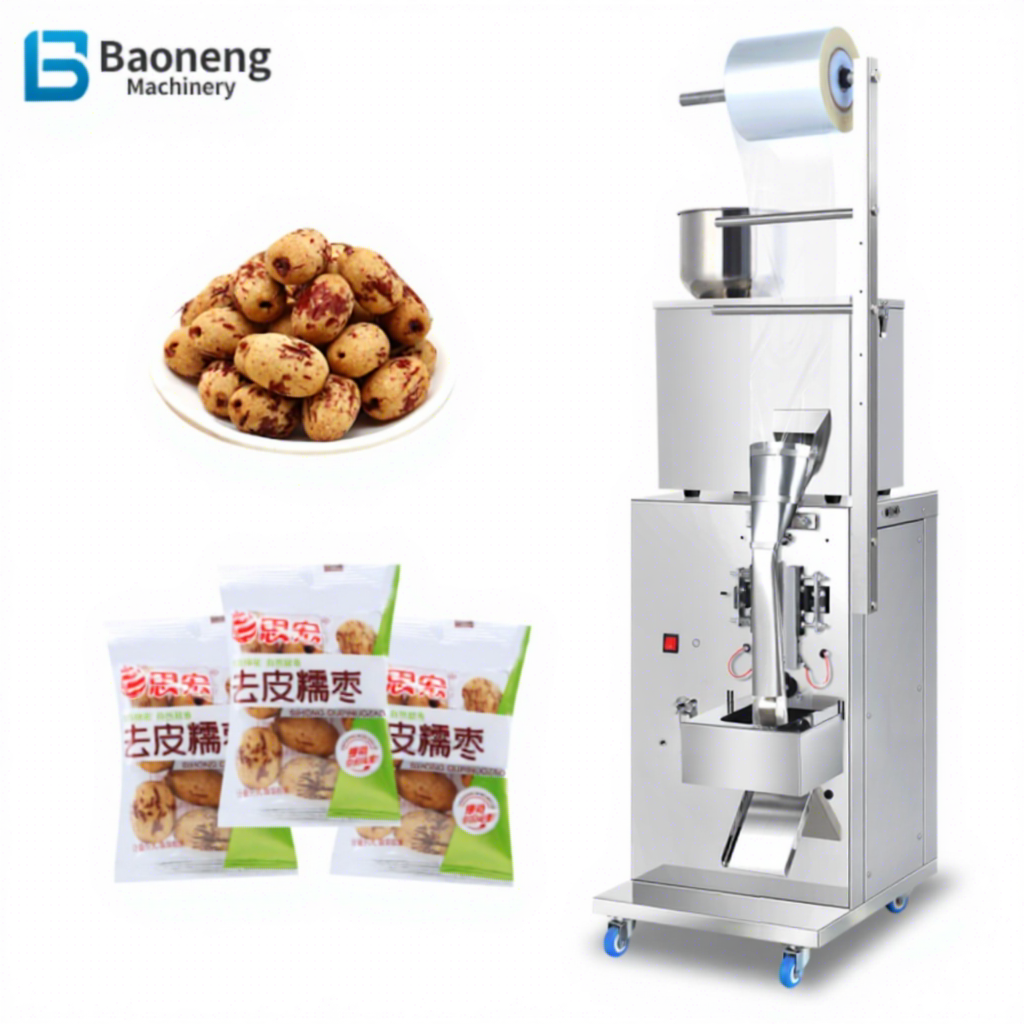
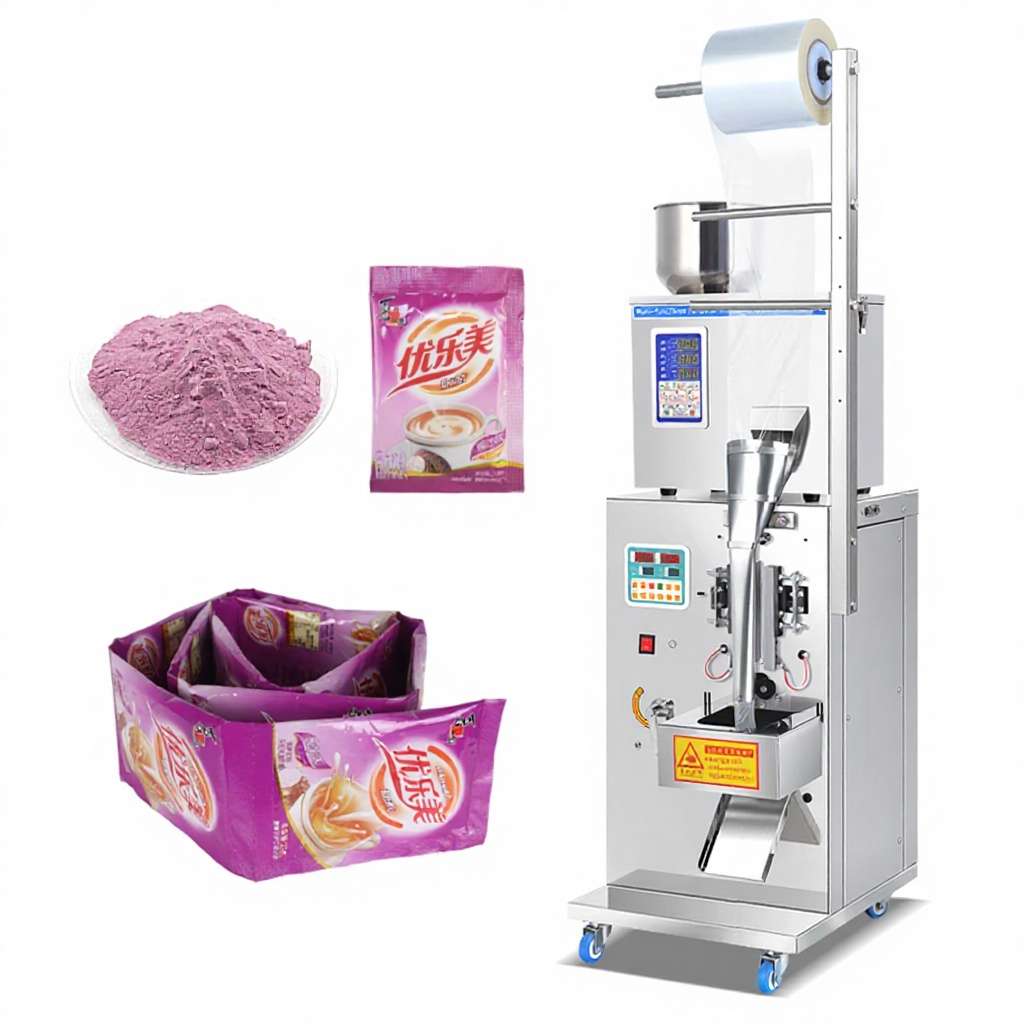
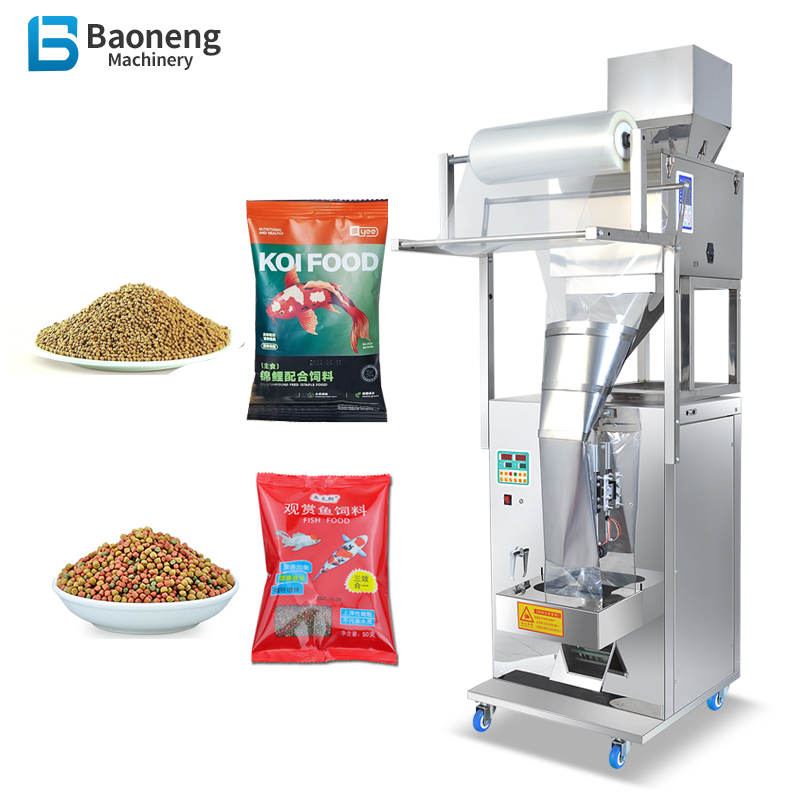
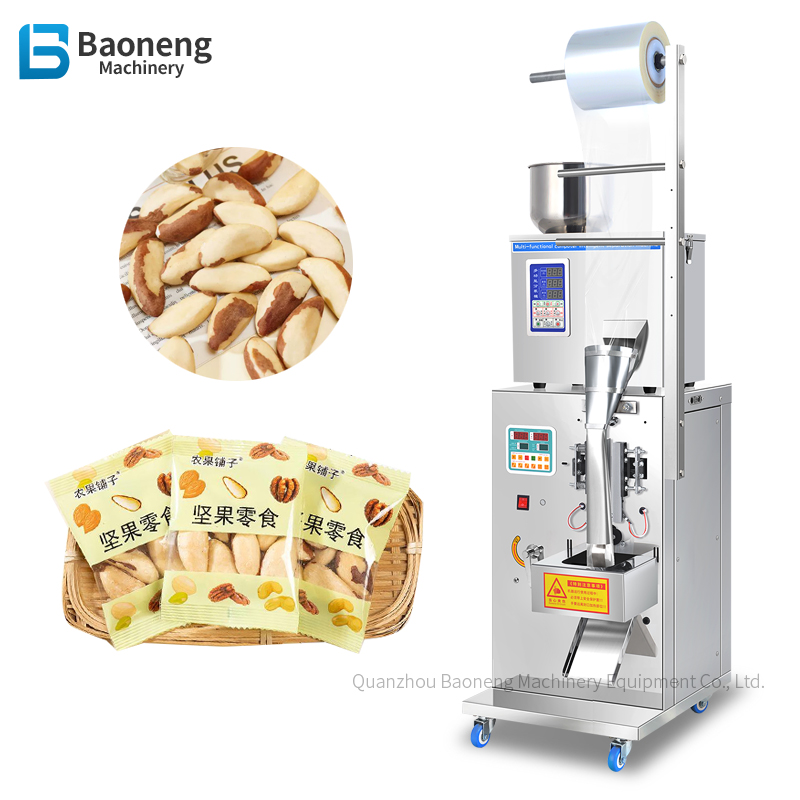
Direct from our Quanzhou manufacturing plant: explore our primary vertical packaging systems optimized for fine powders, granular foodstuffs, viscous liquids, snacks, and flexible retail pouches.
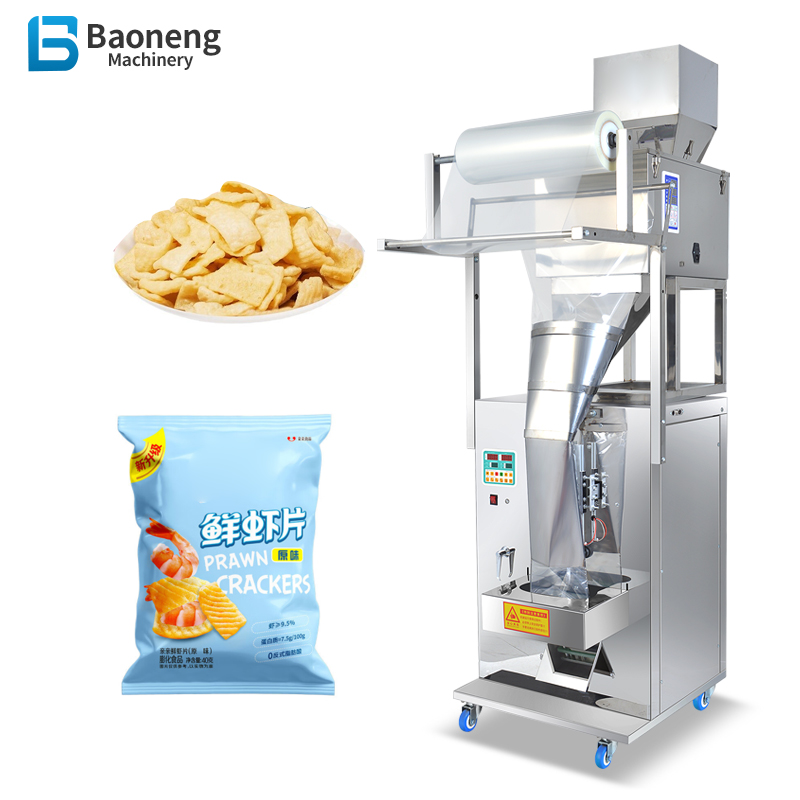
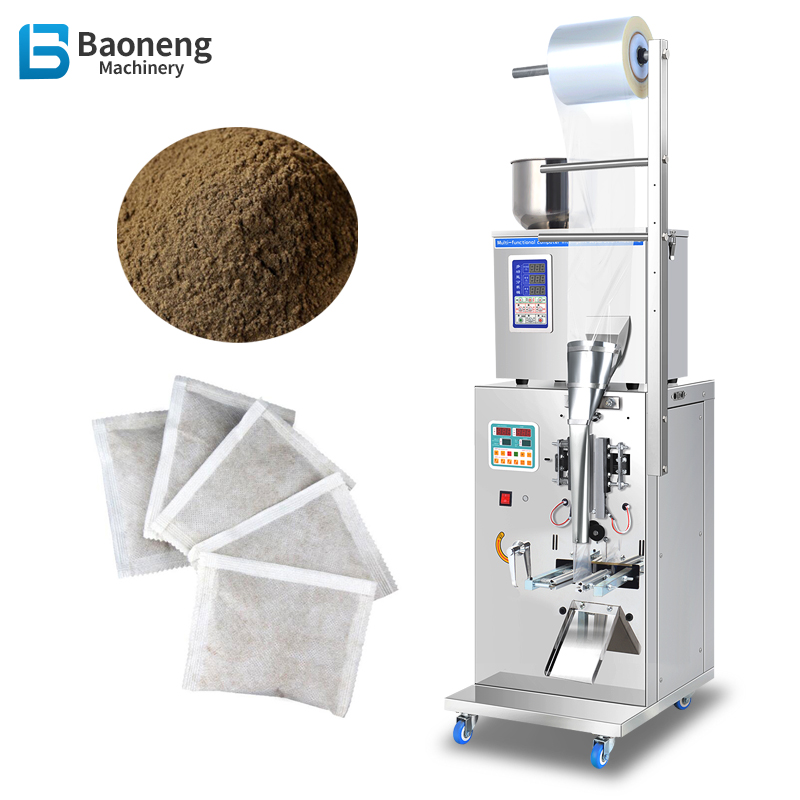
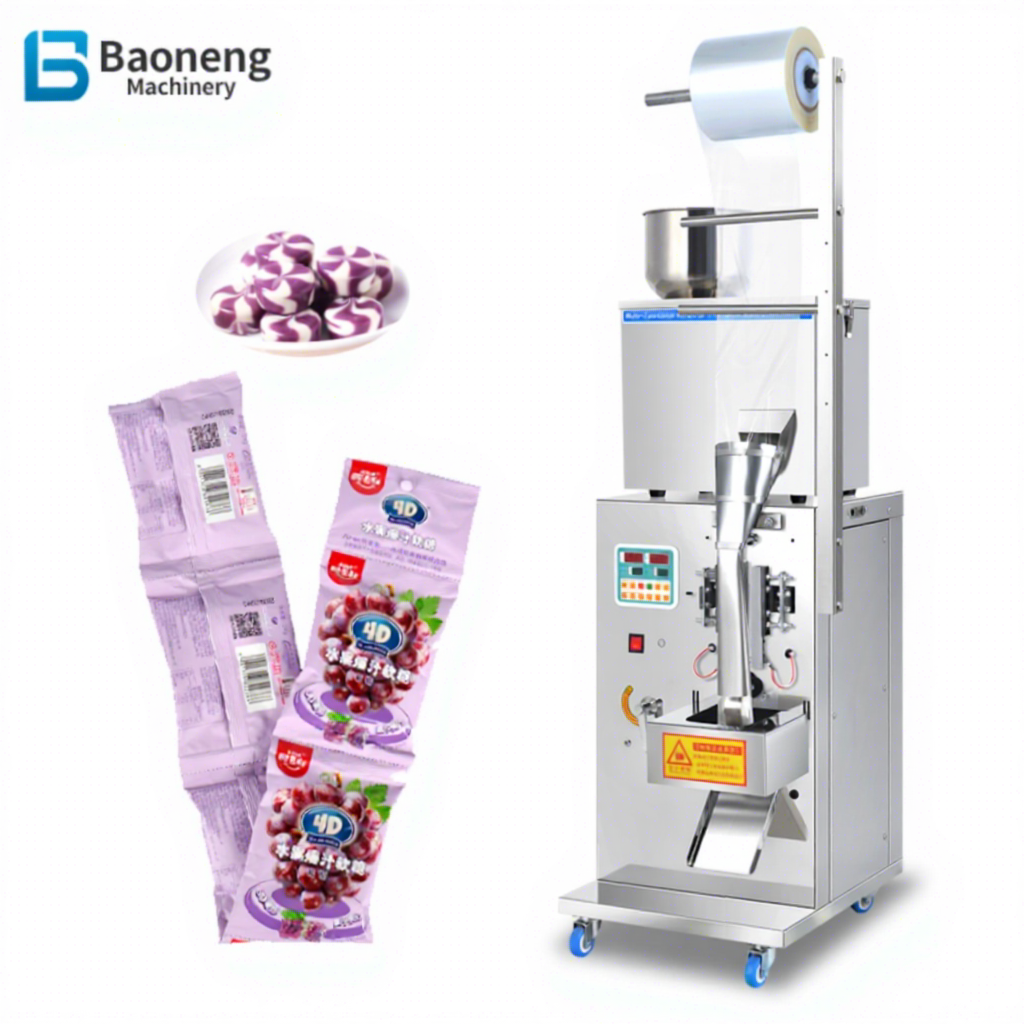
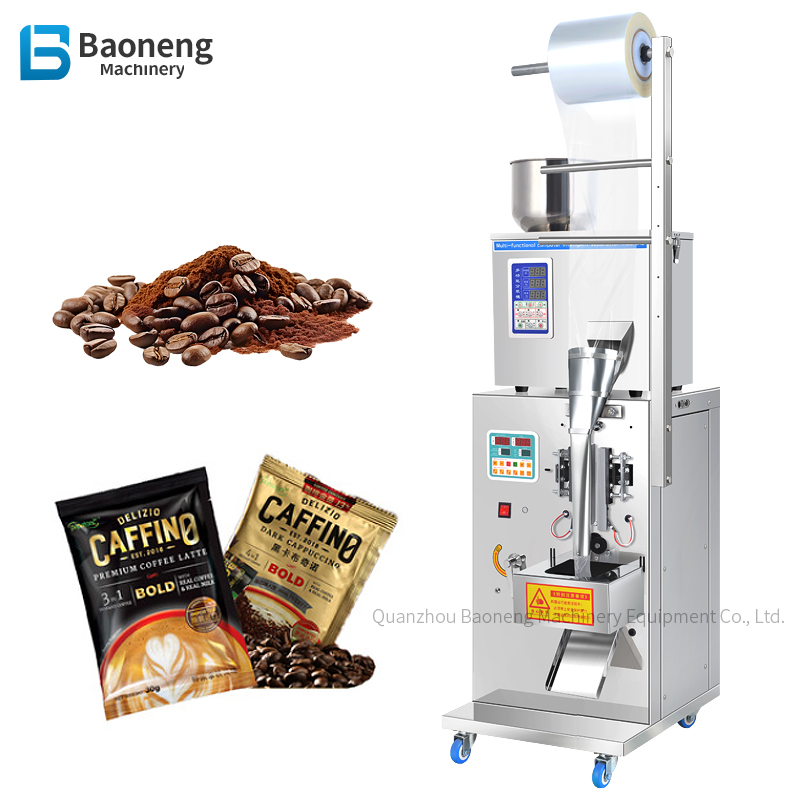
The Technological Paradigm Shift in China's VFFS Machinery Ecosystem
The global packaging machinery sector is undergoing a profound structural shift. Vertical Form Fill Seal (VFFS) systems—historically dominated by high-cost European manufacturers—have seen a radical engineering elevation across select Chinese original equipment manufacturers (OEMs). Driven by stringent international hygiene mandates, volatile raw material prices, and the global push toward monomaterial recyclability, China's packaging engineering elite, led by factories such as Quanzhou SAM Machinery Equipment Co., Ltd., has shifted from reverse-engineered mechanical platforms to fully synchronized, multi-axis servo-driven kinematic platforms.
Modern VFFS systems are no longer standalone bag makers; they serve as critical data and control nexuses along high-throughput automation lines. Today's industrial procurement directors scrutinize vertical bagging equipment across multi-dimensional performance vectors: dwell time accuracy, thermal seal integrity on ultra-thin 20-micron barrier webs, dynamic web tracking via closed-loop PID control, and total compliance with international safety protocols (CE Machinery Directive 2006/42/EC, EN 60204-1 electrical safety, and ISO 12100 risk assessment standards).
Direct Multi-Axis Servo Control
Replacing traditional pneumatic pushers and mechanical cams with digital servo drives across horizontal sealing jaws and vertical pull belts ensures sub-millimeter positioning, programmable acceleration curves, and zero mechanical backlash.
Sustainable Substrate Sealability
Dynamic PID temperature algorithms combined with optional ultrasonic cold-sealing jaws allow hermetic bonding of mono-PE, pure PP, and biodegradable PLA structures without thermal pinholing, melt-through, or barrier degradation.
Hygiene & Clean-in-Place (CIP)
Built with sanitary SUS304 and SUS316L contact surfaces, IP65/IP67 sloped washdown enclosures, toolless forming collar changes, and isolated pneumatic routing, eliminating bacterial harbor points in food and dairy lines.
Kinematic Architectural Comparison: Intermittent vs. Continuous Motion VFFS
When evaluating procurement choices, packaging engineers must delineate clearly between intermittent-motion and continuous-motion kinematic architectures. The choice dictates not only maximum production cycle rates (PPM - pouches per minute) but also total operational wear, seal dwell timing, and packaging material tension profiles. Below is an engineering comparison matrix defining operational parameters across modern VFFS installations:
| Technical Parameter | Intermittent Motion Architecture | Continuous Motion (Rotary / Box-Motion) | Procurement Relevance |
|---|---|---|---|
| Max Mechanical Speed | 40 – 90 cycles/min (PPM) | 120 – 250+ cycles/min (PPM) | Line capacity balancing & upstream filler output matching. |
| Sealing Jaw Kinematics | Reciprocating stationary seal during web stop | D-cam trajectory, orbiting rotary, or sliding carriage | Determines maximum thermal dwell duration and stress on film. |
| Film Tension Dynamics | Stop-and-go acceleration spikes; higher inertia | Constant web velocity; uniform tension dissipation | Critical for thin barrier foils and low-tensile sustainable bio-resins. |
| Dosing Integration Window | Discrete drop window during web dwell phase | Requires synchronized traveling funnel or continuous feed | Dictates product settling behavior and top-seal dust contamination. |
| Capital Expenditure (CapEx) | Baseline baseline investment ($12,000 – $28,000) | Advanced multi-axis servo tier ($35,000 – $85,000) | Determines capital payback threshold based on annual production tonnage. |
| Typical Factory Applications | Free-flowing grains, hardware, low-volume powders | High-speed confectionery, chips, milk powder, liquids | Direct alignment with plant floor SKU variance and changeover cadence. |
Inside Quanzhou SAM: Industrial Fabrication & Quality Control
As a TÜV Rheinland onsite-inspected manufacturer with 4,800 m² of dedicated manufacturing infrastructure and 72 engineering personnel, our Fujian facility executes complete in-house machining, assembly, wiring, and FAT testing.
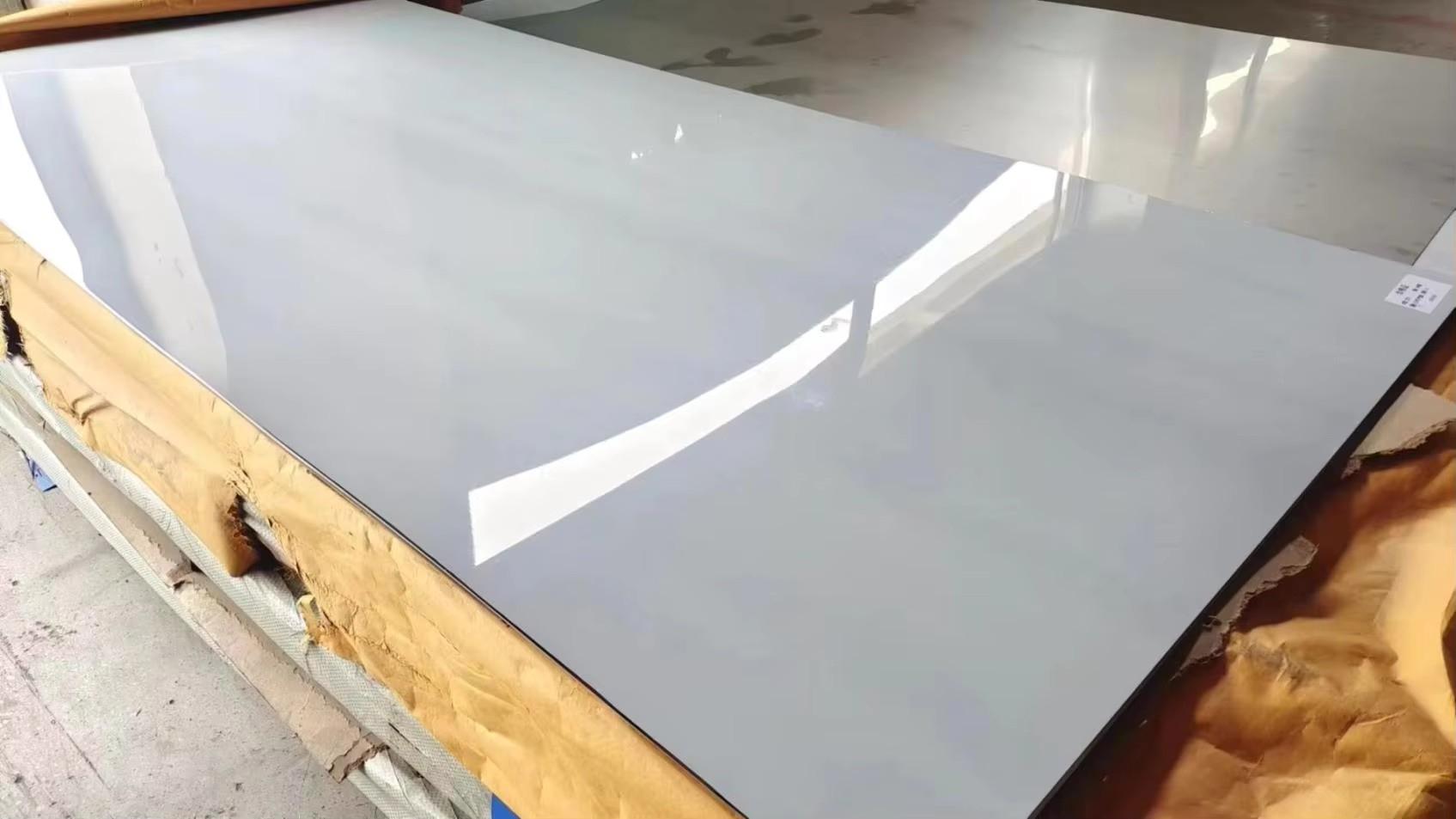
Metallurgical Inflow QC
Certified 304 and 316 stainless steel profiles and structural plates undergo spectroscopic verification and surface roughness audits upon warehouse delivery.
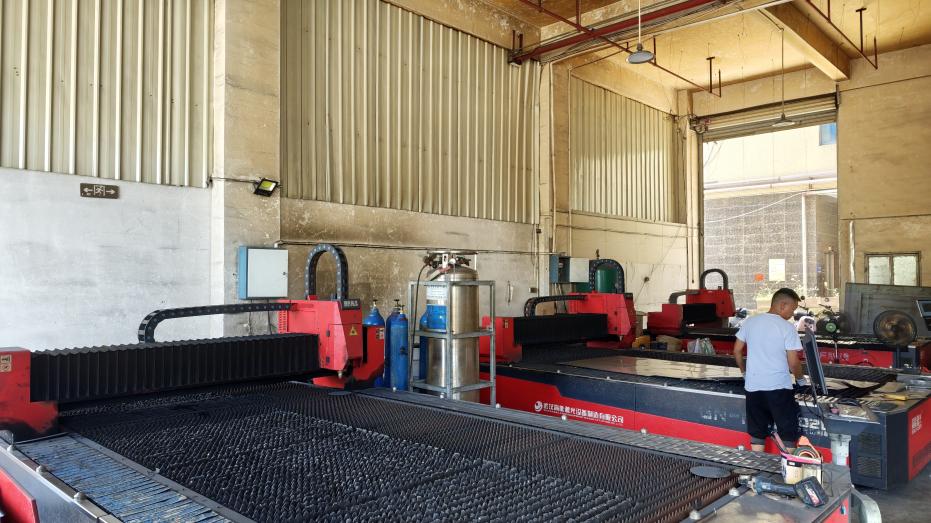
High-Precision Laser Cutting
In-house CNC fiber laser cutting centers machine structural side-frames and forming collars to ±0.05 mm tolerances, eliminating mechanical stress and frame distortion.
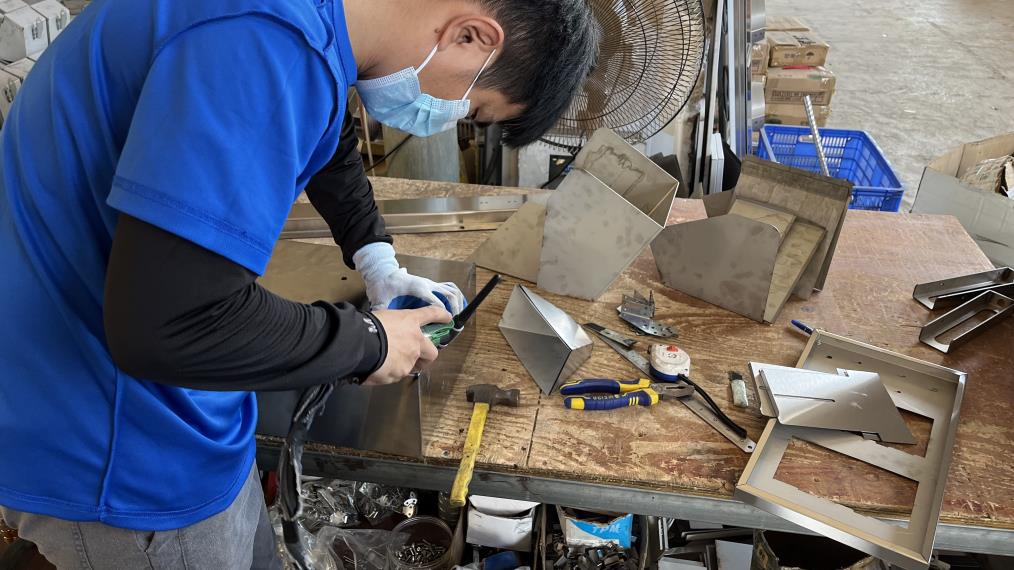
Argon Arc Sanitary Welding
Certified welders complete full-penetration seams with continuous grinding and bead-passivation to satisfy stringent food-grade cleanability criteria.
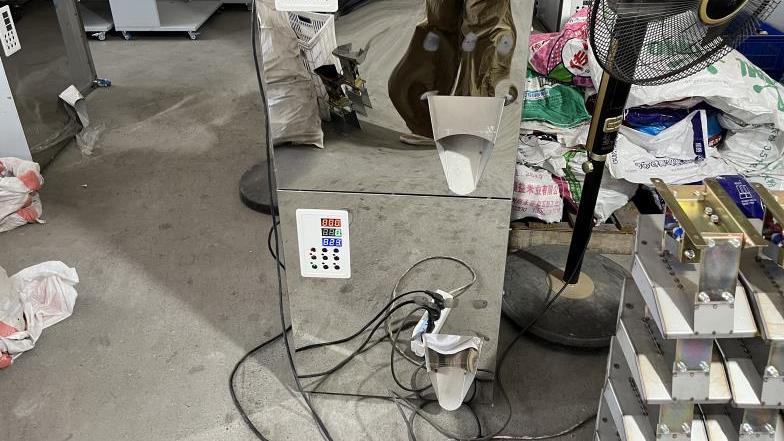
Pre-Shipment FAT Validation
Every machine completes continuous 48-hour dry cycles and wet customer-substrate validation, monitoring seal burst strength, seal hermeticity, and servo torque stability.
Future Procurement Trends: Navigating the 2026–2030 VFFS Lifecycle
Global capital procurement officers must anticipate changing regulatory frameworks and operational realities when drafting technical bid specifications (RFQs) for new vertical packaging lines. Across Europe, North America, and high-growth markets in the Middle East and Southeast Asia, four dominant vectors are reshaping the VFFS investment equation:
1. Monomaterial Web Compatibility and Ultra-Narrow Seal Windows: Traditional multi-layer laminates (e.g., PET/ALU/PE) provided forgiving thermal seal windows spanning 25°C to 40°C. In contrast, recyclable mono-materials (e.g., all-PE or all-PP laminates) degrade if temperatures fluctuate by more than ±2°C. Modern procurement contracts now mandate ceramic-coated heating cartridges, localized RTD sensor feedback loops, and high-response servo jaw pressure control to preserve barrier performance without micro-tearing.
2. Industrial Edge Analytics and Predictive OEE Telemetry: Machine buyers no longer accept black-box PLCs. Standard procurement protocols demand open industrial Ethernet architectures (EtherCAT, PROFINET, or Ethernet/IP) outputting real-time MQTT or OPC-UA data packets. Plant managers require live telemetry on pull-belt slippage, heater element impedance degradation, pneumatic cycle pressure dips, and mean time between failure (MTBF) tracking right on their central SCADA or MES dashboard.
3. Ergonomic Quick-Changeover Tooling (SMED Compliance): With retail SKU proliferation and shorter production batches, machine downtime during format changeovers directly threatens plant margins. Top-tier Chinese builders now configure vertical systems with single-touch forming tube releases, self-aligning web tracking guides, and motorized film splice tables that reduce mechanical changeovers from 45 minutes to under 8 minutes without hand tools.
Frequently Asked Questions on VFFS Equipment Sourcing
Clear, unvarnished technical answers addressing the real engineering, electrical, and commercial challenges encountered by international procurement managers importing Chinese packaging equipment.
How does Quanzhou SAM verify film tracking and prevent lateral web walk?
What engineering provisions are implemented to manage fine powder dusting in seal jaws?
Are electrical panels compliant with US NEC and European CE standards?
Can your VFFS machines run both laminated barrier films and eco-friendly mono-PE/PP?
What is the Factory Acceptance Testing (FAT) protocol before international dispatch?
How is after-sales technical support and emergency spare parts availability handled?
What modified atmosphere packaging (MAP) options are available for food preservation?
What are your standard delivery lead times and commercial trade terms?
Ready to Configure Your Next VFFS Packaging Installation?
Connect directly with our senior application engineers in Quanzhou. Share your product bulk density, bag dimensions, required PPM output, and roll substrate specs to receive a full mechanical layout drawing, cycle simulation, and formal factory-direct quotation within 24 hours.