Engineered for High-Reliability Paste, Liquid & Solid Operations
Explore our industrial-grade packaging configurations built with food-grade SUS304/SUS316L, precision pneumatic or servo displacement, and multi-format pouch flexibility.
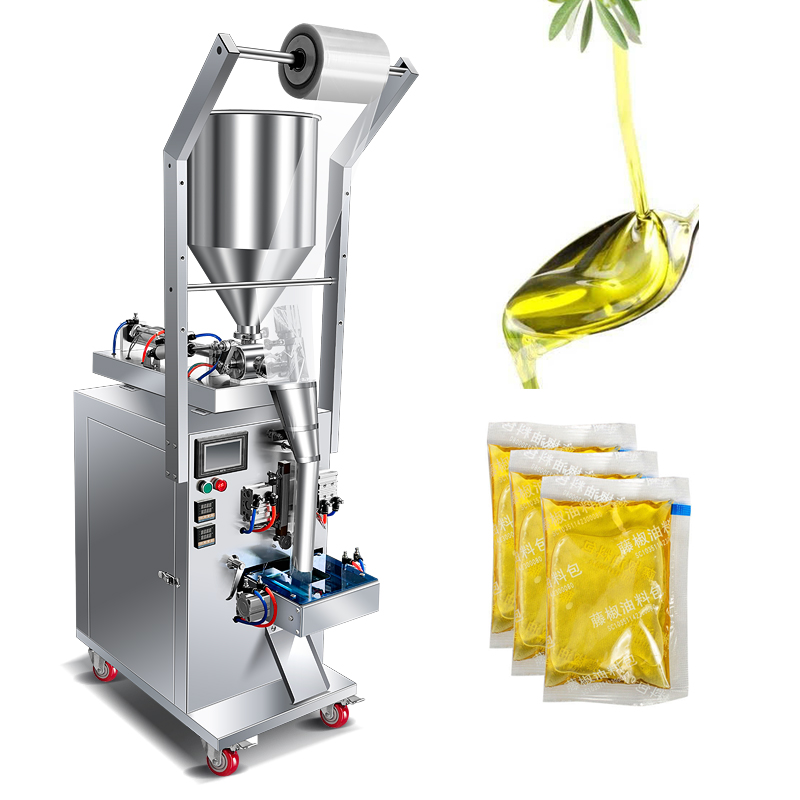
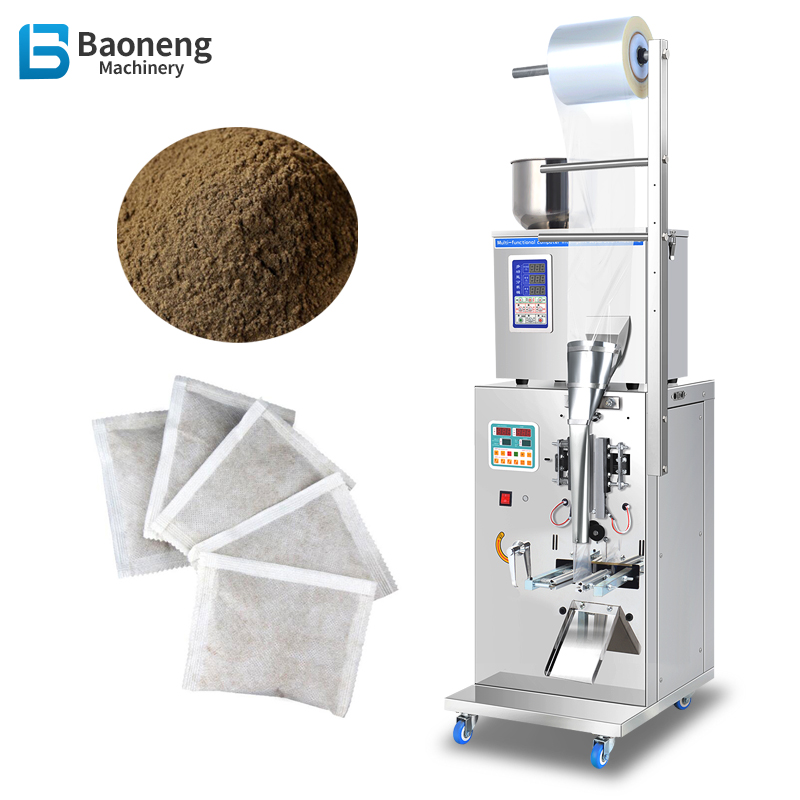
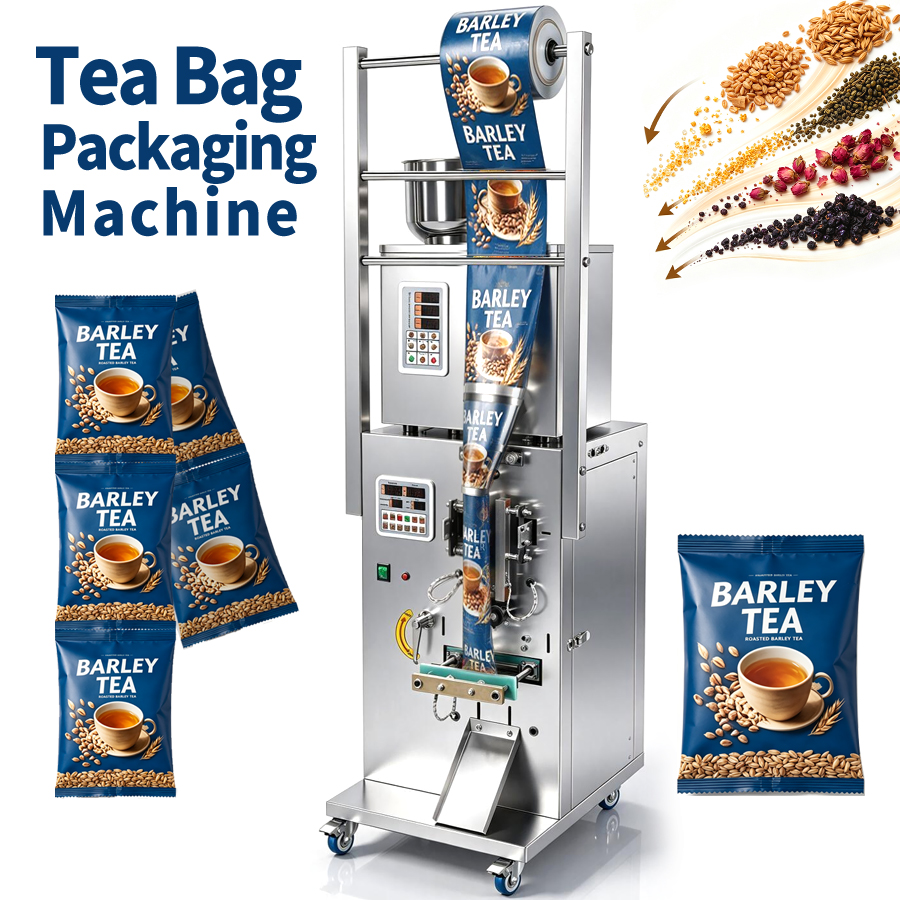
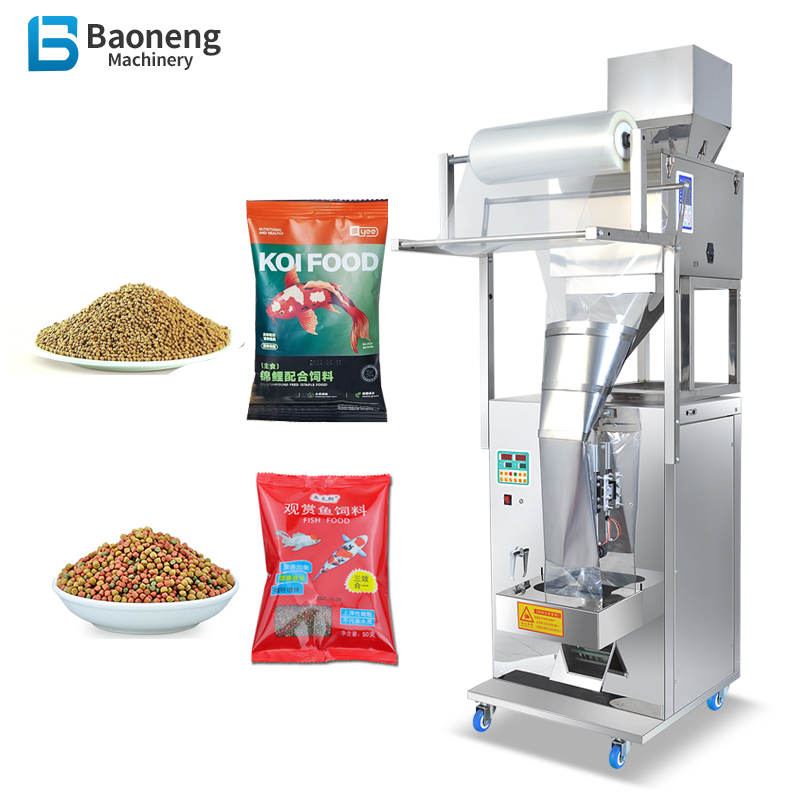
Engineering Authority: Volumetric Piston Filling Technology Whitepaper
In modern industrial packaging, dosing liquids, gels, creams, and high-viscosity pastes requires mechanical rigor, thermal stabilization, and fluid dynamics management. Sourcing packaging equipment from an elite piston filling machine supplier goes beyond comparing headline cycle times: it requires assessing volumetric displacement precision, seal metallurgy, shearing forces, and validation under stringent international safety codes like the EU Machinery Directive 2006/42/EC.
Volumetric piston filling remains the global benchmark for fluids that exhibit non-Newtonian flow behavior, shear-thinning properties, or suspended particulates. Whether packaging thick condiments (ketchup, chili sauce, honey, mayonnaise), cosmetic emulsions (serums, facial creams, shampoos), or industrial lubricants and agrochemicals, piston displacement ensures fill repeatability regardless of variations in ambient temperature or batch-to-batch fluid density.
Core Mechanics: Rotary Valve vs. Check Valve Dosing Architecture
Piston filling mechanisms operate via a reciprocating volumetric cylinder driven either by pneumatic air actuators or brushless digital servo motors. Fluid intake and discharge are regulated by internal flow valves that dictate operational capability:
- Check Valve (Ball / Spring Check) Configurations: Tailored specifically for low-to-medium viscosity fluids (water, syrups, light oils, alcohol disinfectants). Suction draws the ball check off its seat into the chamber, while the compression stroke drives the ball firmly back to seal the inlet, forcing the exact volume out through the discharge nozzle.
- Rotary Valve (T-Port / L-Port Three-Way) Configurations: Designed for high-viscosity pastes, slurries, sticky gels (honey, tomato paste, cosmetic foundations), and formulas containing suspended solids (salsa with onion bits, pulp juices). Driven by a pneumatic rotary actuator or direct servo gear, the rotary port creates an unobstructed path that eliminates clogging, minimizing product shear and maintaining cellular particulate integrity.
Servo-Driven Precision
Brushless servo drives allow multi-speed stroke profiling: rapid intake, decelerated compression, and anti-cavitation bottom-up fill control via HMI touchscreen.
Sanitary Metallurgy
Constructed exclusively with AISI 304 frames and contact-sanitary AISI 316L mirror-polished stainless steel, certified compliant with RoHS and CE standards.
Clean-in-Place (CIP/SIP)
Tool-free tri-clamp sanitary connections allow quick teardown or integration with CIP automated wash-down cycles to avoid cross-contamination.
Technical Comparison: Volumetric Piston vs. Alternative Dosing Technologies
Selecting the correct filling technology requires matching fluid rheology with mechanical dynamics. The engineering matrix below contrasts the operational envelopes across common packaging machines:
| Technology Type | Ideal Viscosity Range | Volumetric Accuracy | Particulate Handling | Primary Use Cases |
|---|---|---|---|---|
| Volumetric Piston Filler | 1 cPs – 500,000+ cPs | ±0.5% to ±1.0% | Excellent (Rotary Valve) | Honey, paste, lotion, shampoo, peanut butter, grease |
| Auger Screw Dosing | Dry powders & fine granules | ±1.0% to ±1.5% | Non-applicable | Milk powder, detergent, spices, flour, cosmetic talc |
| Peristaltic Pump Filler | 1 cPs – 1,200 cPs | ±1.0% to ±2.0% | Poor (Shear risk) | Micro-dosing, pharmaceuticals, e-liquids, essential oils |
| Gravity / Overflow Filler | 1 cPs – 200 cPs | Level-based (not weight) | None (Requires clarity) | Bottled water, spirits, clear vinegar, window cleaner |
Upcoming Procurement Trends in Industrial Piston Filling Systems
Global packaging procurement across food processing, personal care, and chemical manufacturing is evolving rapidly. Factory operators and procurement directors are no longer looking for standalone pneumatic fillers; capital expenditure decisions are driven by strategic production trends:
1. Transition to Servo-Electric Stroke Manipulation
While pneumatic actuators remain popular for budget-conscious projects, smart production lines are shifting to servo-electric piston actuation. A servo motor provides micron-level control over the displacement stroke, allowing users to store multiple filling profiles in the PLC memory. Operators can execute multi-stage dispensing—such as filling at 80% speed through the bottom, then slowing down during the final 20% to prevent splashover and aeration.
2. Rapid Tool-Less Sanitary Disassembly
Consumer preferences for short production runs and diverse SKU catalogs require packaging equipment to change over between flavors, colors, or active ingredients within minutes. Today's procurement teams demand quick-release tri-clamp sanitization, cantilevered cylinder mounts, and fully washable IP65 enclosures that eliminate deep disassembly and reduce line changeovers from hours to less than fifteen minutes.
3. Eco-Packaging & Recyclable Monomaterial Integration
Global regulatory mandates targeting single-use plastics are pushing brands toward mono-material PE, PP, and compostable paper/foil laminates. Piston filling nozzles must feature precise mechanical cutoffs with positive-displacement suck-back valves. Any paste, grease, or honey dripping onto heat-seal pouch margins causes structural seal failure on sustainable films, making leak-proof anti-drip nozzle technology an absolute procurement requirement.
Future Development Trends: The Industry 4.0 Horizon
Over the next decade, industrial piston filling machines will evolve into intelligent, data-driven automation cells. Future-ready packaging lines will rely on four primary technological developments:
- Integrated IoT Telemetry & Remote Diagnostics: Machine controllers equipped with industrial IoT gateways will transmit cycle counts, stroke pressure, seal bar temperature, and seal degradation metrics to cloud dashboards in real time, preventing unplanned downtime through predictive maintenance.
- Dynamic Viscosity Adaptation: Next-generation piston assemblies will integrate inline rheological sensors to continuously monitor fluid viscosity changes caused by temperature shifts in the holding tank. The PLC will automatically adjust piston stroke speeds and nozzle shutoff timing without requiring manual operator intervention.
- Robotic Premade Pouch & Spout Handlers: High-speed servo rotary pouch carousels will interface with multi-lane piston heads to fill shaped stand-up pouches and corner spouts at rates exceeding 80–120 packages per minute with zero human contact.
Corporate Manufacturing Strength: Why SAM Packaging Machinery Leads
Operating from our modern 4,800-square-meter facility in Quanzhou, Fujian, Quanzhou SAM Machinery Equipment Co., Ltd. stands as a benchmark manufacturer of automated filling, sealing, and pouching solutions. Backed by an onsite inspection and verification from TÜV Rheinland, our operations adhere strictly to the EU Machinery Directive 2006/42/EC and RoHS environmental compliance standards.
Direct Manufacturer
From high-precision CNC laser cutting and sheet bending to specialized TIG welding and surface buffing, we maintain total quality control across every mechanical component.
Tailored Dosing Solutions
Our 72-member engineering and technical staff provides sample testing, 3D cad design, OEM/ODM development, and custom-tailored multi-lane filling assemblies.
Pre-Shipment FAT Video
Every unit undergoes continuous 48-hour testing under load with customer-specified film and sample materials, validated by detailed test reports and HD video documentation.
Export Trade Ready
Active across 30+ countries with support for flexible trade terms (FOB, CIF, CFR, DDP) and multi-currency billing (USD, EUR, CNY) backed by lifetime technical remote support.
Procurement FAQ: Critical Factors in Piston Filling Sourcing
Explore answers to the most common engineering and procurement questions asked by packaging engineers, plant managers, and procurement buyers before purchasing a volumetric filling system:
What is the key difference between pneumatic and servo-driven piston filling machines? +
How does the equipment prevent stringing, foaming, and dripping on the packaging seal? +
Can one piston filler handle both free-flowing liquids and thick pastes? +
What stainless steel metallurgy is utilized for product contact surfaces? +
Can Quanzhou SAM Machinery conduct factory testing with our actual product formulation? +
What certifications, documentation, and after-sales support are provided? +
Ready to Optimize Your Liquid & Paste Packaging Line?
Connect directly with our engineering department in Fujian, China. Share your filling volume, pouch style, and target throughput to receive a certified technical layout and transparent factory-direct quote.