POWDER ACCURACY
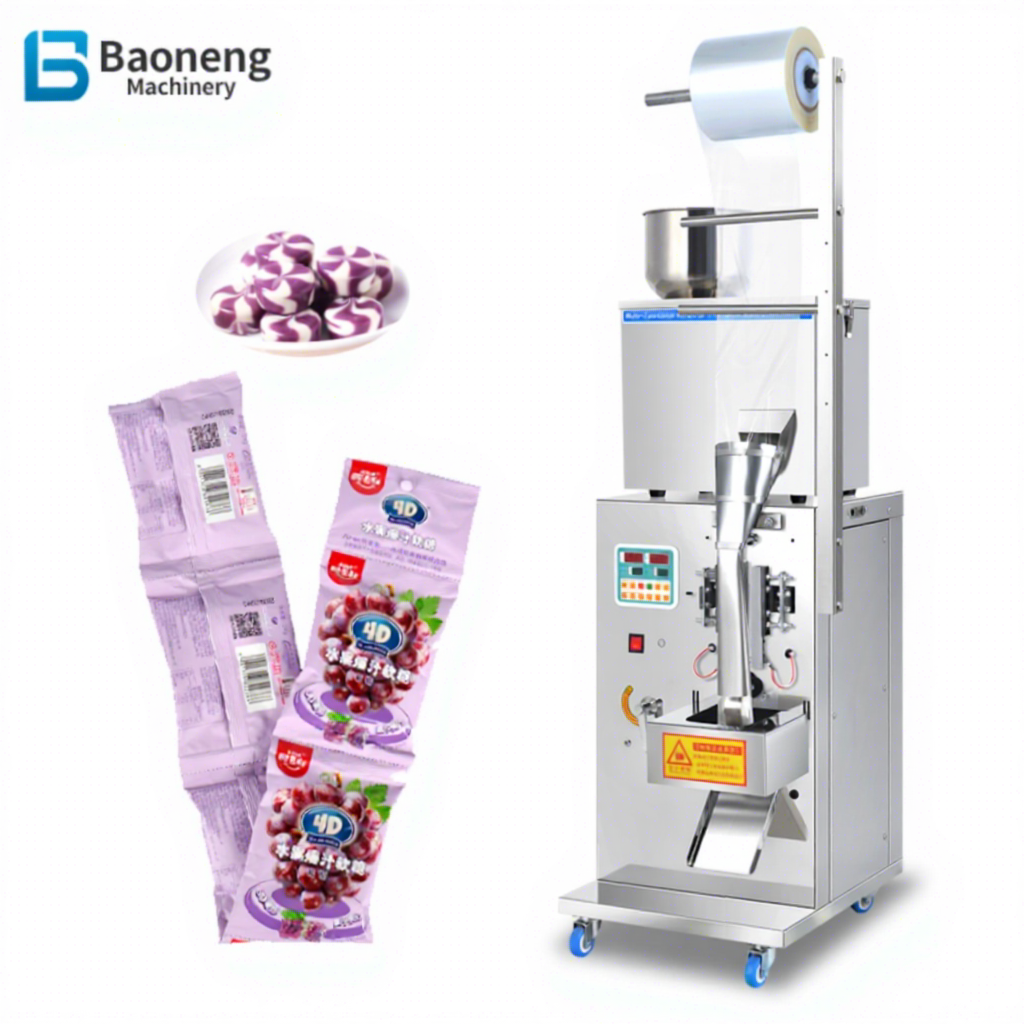
Engineered for high-barrier films, laminated paper, and stand-up pouches. Fully integrated with automated dosing units, multi-stage sealing, and smart micro-PLC controls.
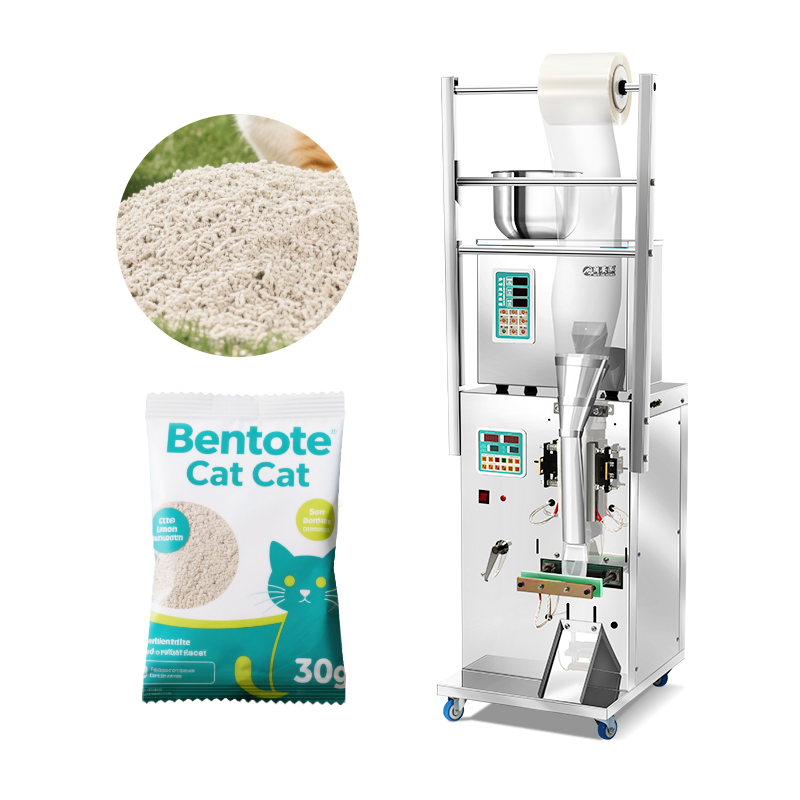
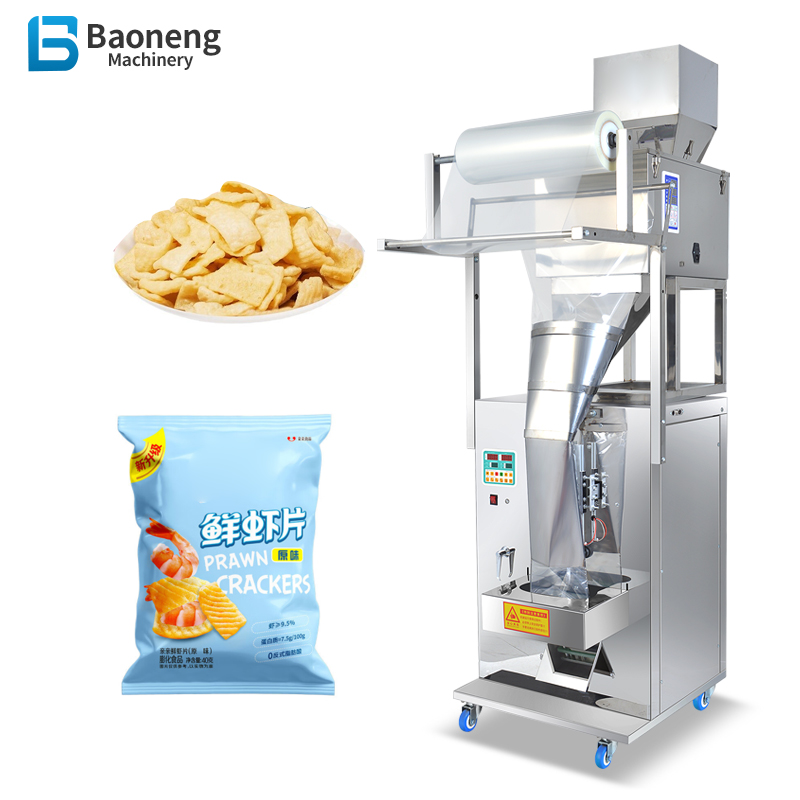
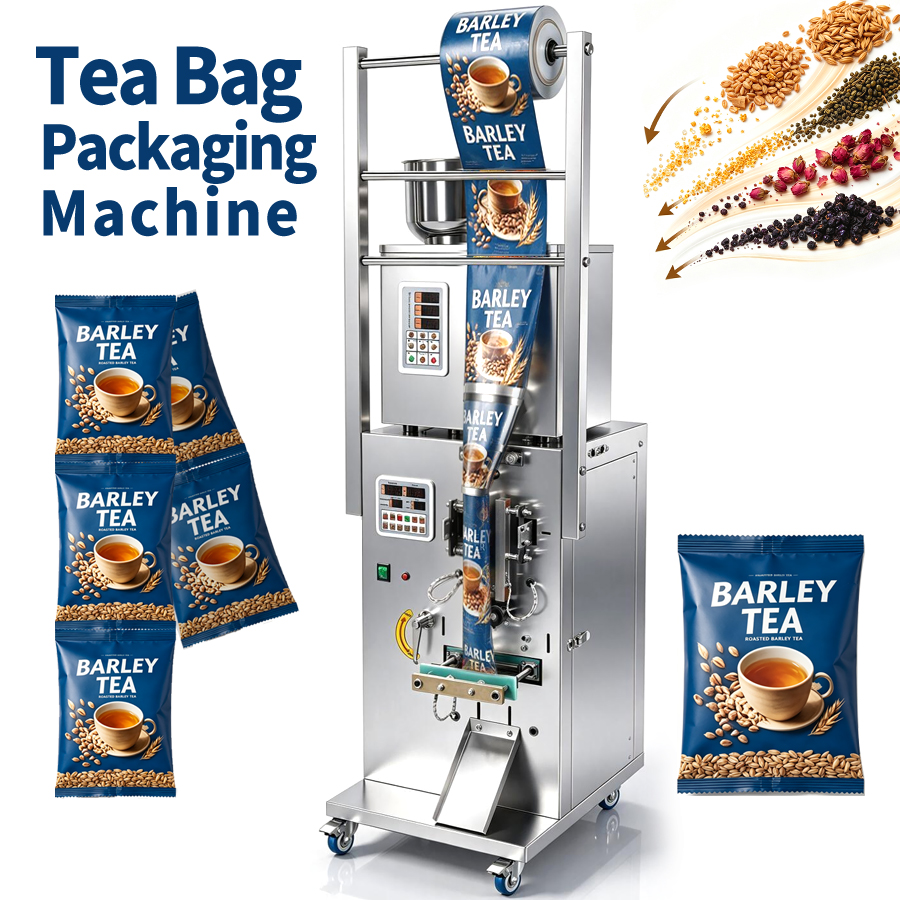
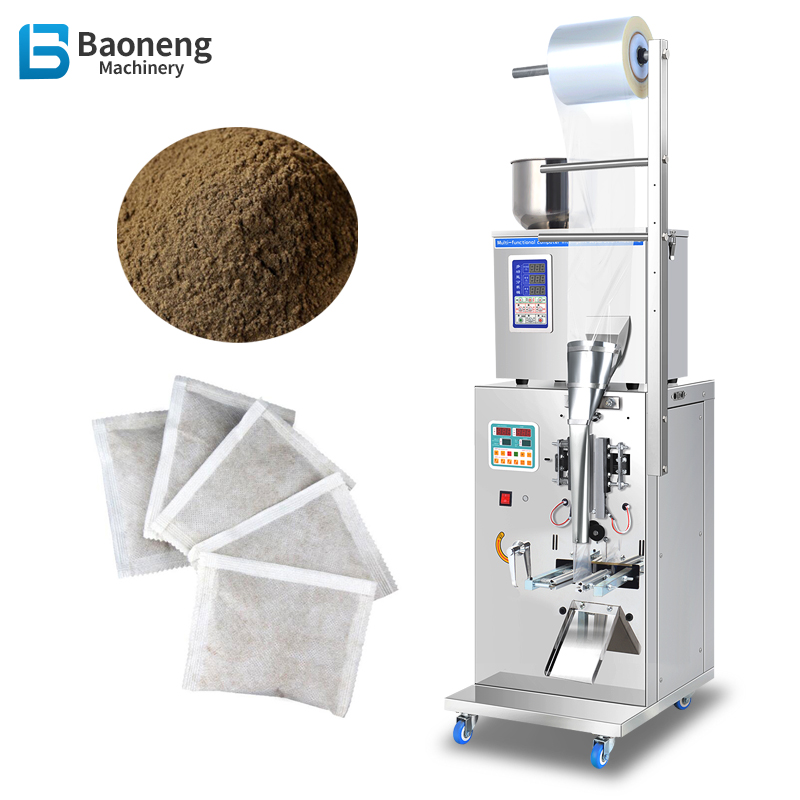
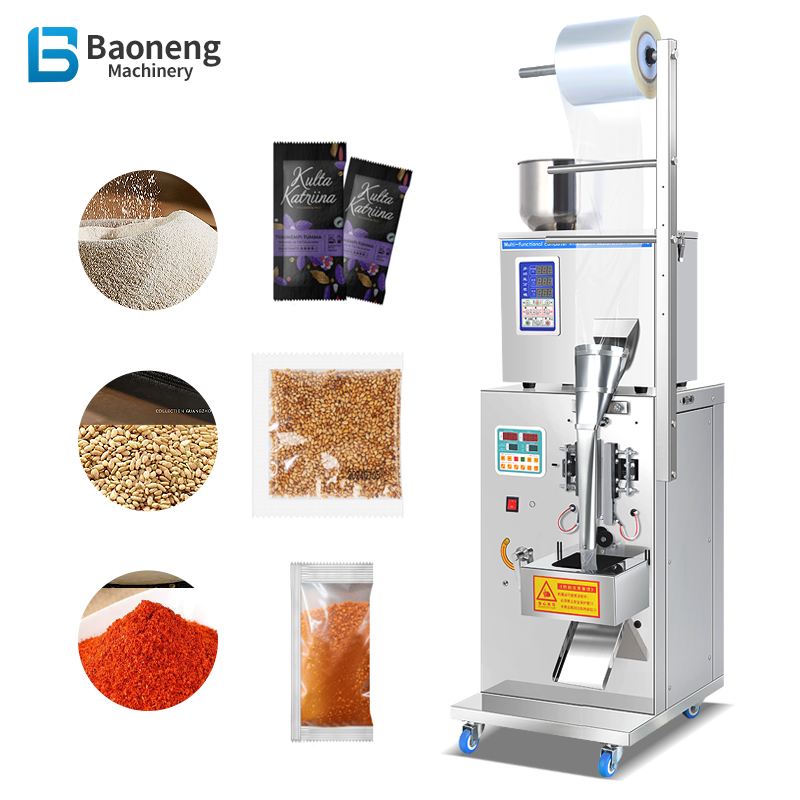
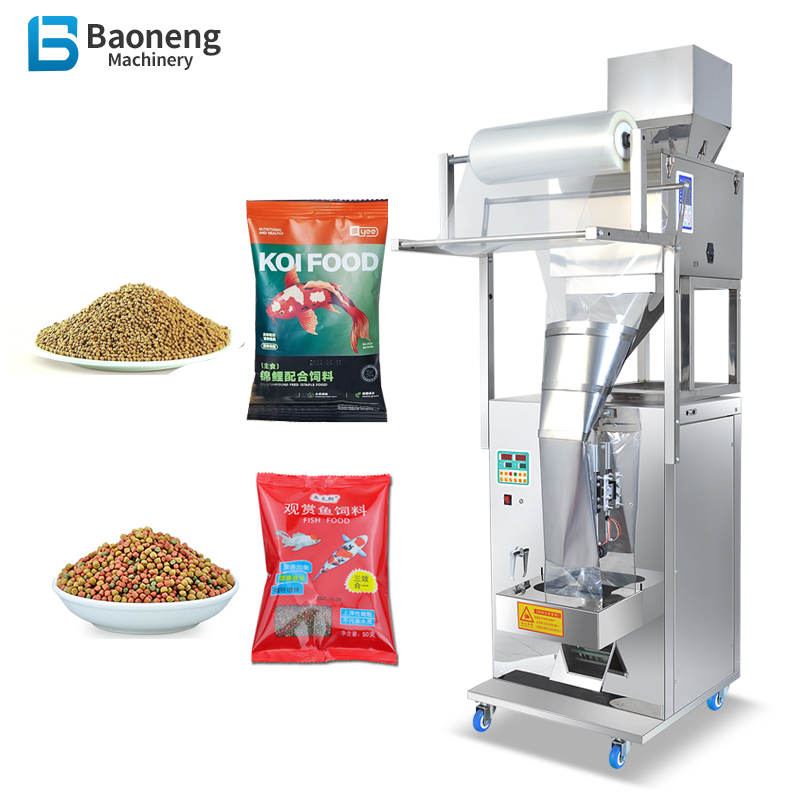
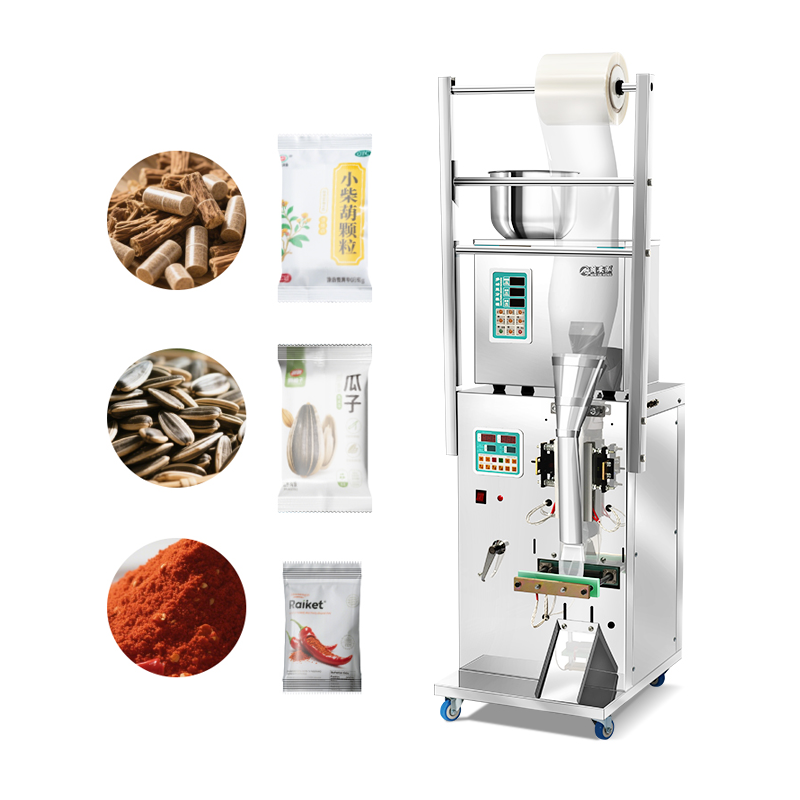
In global consumer packaging, brand owners are systematically migrating away from traditional rigid formats (glass jars, composite cans, and blow-molded bottles) toward flexible premade pouches, notably stand-up doypacks, 4-side seal gusseted configurations, and press-to-close zipper enclosures. While traditional Vertical Form Fill Seal (VFFS) roll-stock machines excel at raw, high-volume commodity throughput, modern distribution requires complex bag geometries, premium shelf appeal, reclosability, and pristine pre-printed graphics that form-fill assemblies struggle to maintain without optical distortion.
Contemporary factories face intense pressure regarding product changeover speed, film thickness variance, and material sustainability. The rise of mono-material recyclables (such as orient PE and PP laminates) has drastically narrowed heat-sealing operating windows. Machinery built without digital servo synchronization often yields micro-leaks, cosmetic channel wrinkling, or zipper melt deformities. As a result, the strategic focus of tier-1 factories has shifted from purely mechanical cyclic speed to thermal sealing stability, vacuum-driven mechanical pouch indexing, and positive mechanically opened pouch confirmation.
Traditional multi-layer foil laminates allow a broad sealing threshold. Modern eco-friendly PE/PE and PP/PP substrates have razor-thin melting bands. Advanced factories implement dual-zone algorithmic heat tuning with pneumatic chilled cooling jaws to freeze the seal instantly without film elongation.
Transitioning from centralized mechanical cams to independent servo-driven stations allows dynamic digital configuration. Operators can customize pouch pick-up, mechanical finger opening depth, nitrogen flushing duration, and filling pauses instantly via touch-screen interfaces.
To eliminate material waste and line contamination, modern automated carousels incorporate optical reflection and vacuum differential verification. If a pouch fails to open or is detected off-axis, dosing nozzles automatically disengage, preserving valuable recipe ingredients.
B2B procurement teams must calculate Total Cost of Ownership (TCO) over short-term machine depreciation. Below is our engineering breakdown correlating material types to required dosing, handling kinematics, and critical risk points.
| Material Classification | Material Behavioral Dynamics | Optimal Dosing Architecture | Critical Engineering Sourcing Focus |
|---|---|---|---|
| Non-Free-Flowing Fine Powders (Flour, Milk Powders, Spices) | Prone to fluidization, aeration, airborne particulate migration, seal line contamination. | Vertical Servo Auger with dynamic reverse-suction collector and enclosed hopper air balance. | Dust-evacuation hoods at filling stations; Teflon-coated or ultrasonic sealing jaws to seal through micro-dust. |
| Viscous & Particulate Pastes (Sauces, Honey, Pastes, Creams) | High surface tension, clinging characteristics, non-Newtonian flow behavior. | Pneumatic rotary valve piston pump with diving shut-off nozzles and jacketed heating hoppers. | Sanitary tri-clamp 316L fluid conduits, drip-trap cutoff valves, CIP (Clean-In-Place) flushing integration. |
| Fragile Free-Flowing Solids (Nuts, Snacks, Whole Bean Coffee) | Mechanical fragmentation vulnerability, erratic bulk density distribution. | Combination Multi-Head Weighers (10/14 Heads) or gentle-angle sliding discharge chutes. | Dimpled product surfaces to reduce sticking; nitrogen injection gas purge for atmospheric residual O₂ < 1.5%. |
| Micro-Volume Liquids (Beverage Concentrates, Essences) | Liquid splash at high index velocities, risk of hydraulic burst during top-seal compression. | Peristaltic micro-pump or magnetic flowmeter servo-controlled injection nozzles. | Smooth-deceleration carousel indexing drive; anti-slosh pouch transit guides; leak-proof testing clamps. |
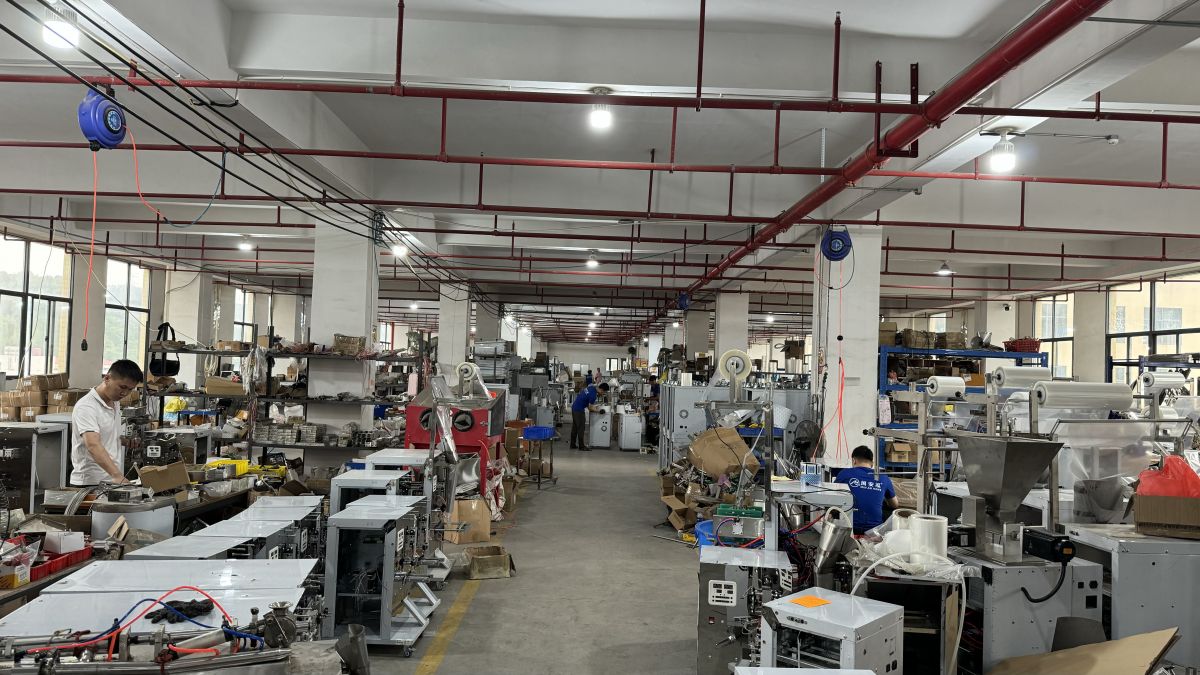
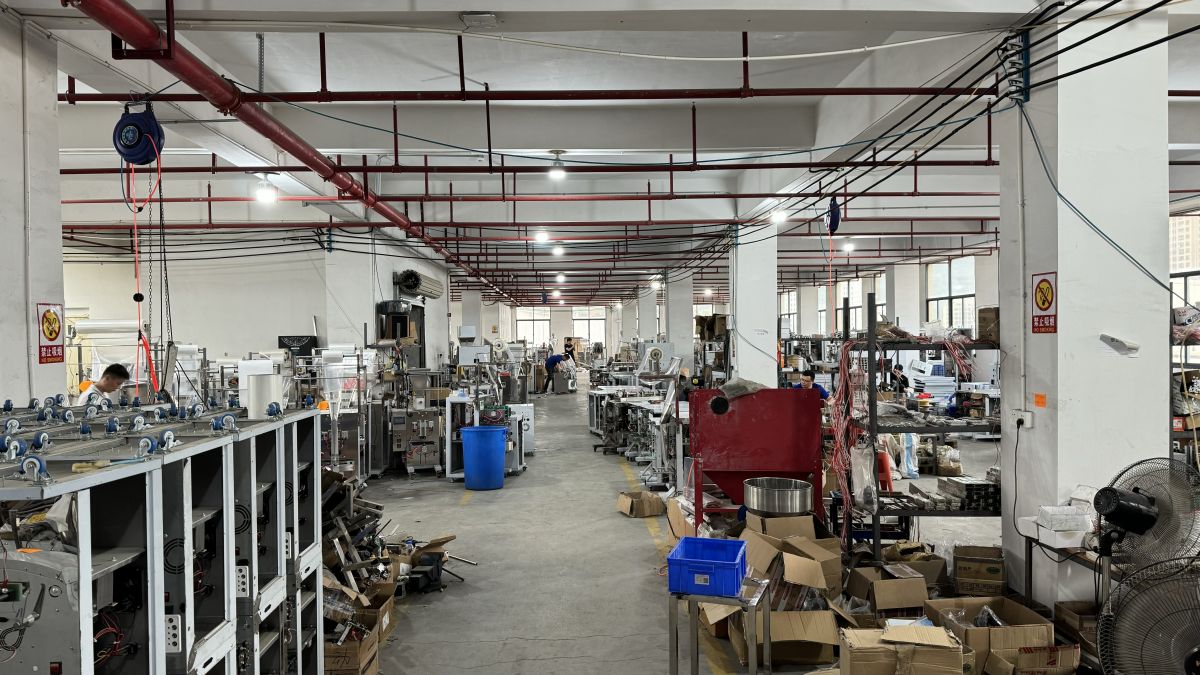
When sourcing from primary industrial hubs, overseas procurement directors frequently encounter discrepancies between nominal design output and continuous Factory Acceptance Test (FAT) yields. To insulate operations against long-term mechanical failure, global enterprise buyers are heavily prioritizing three critical design philosophies:
1. Decentralized Quick-Changeover Tooling: Modern production managers cannot justify 3-hour switch-overs between varying bag widths. Leading manufacturers now provide indexed manual dial indicators or one-touch push-button motorized mechanical gripper adjustments that bring width calibration under 5 minutes without manual wrench sets.
2. Standardization of Critical Commercial Mechatronics: Proprietary internal controllers often strand international operations when unexpected component faults occur. Best-in-class OEMs configure their machines using accessible, globally recognized components—such as Schneider or Omron PLCs, SMC pneumatics, and Weinview or Siemens HMIs—guaranteeing spare part availability across North America, Europe, and the Middle East within 24 hours.
Clear, direct answers regarding machinery performance, factory certification, customization protocols, and global technical after-sales guarantees.