High-Throughput Filling & Form-Fill-Seal Equipment Solutions
Precision-engineered machines built for versatile viscous fluids, granular materials, fine powders, and bespoke sachet structures.
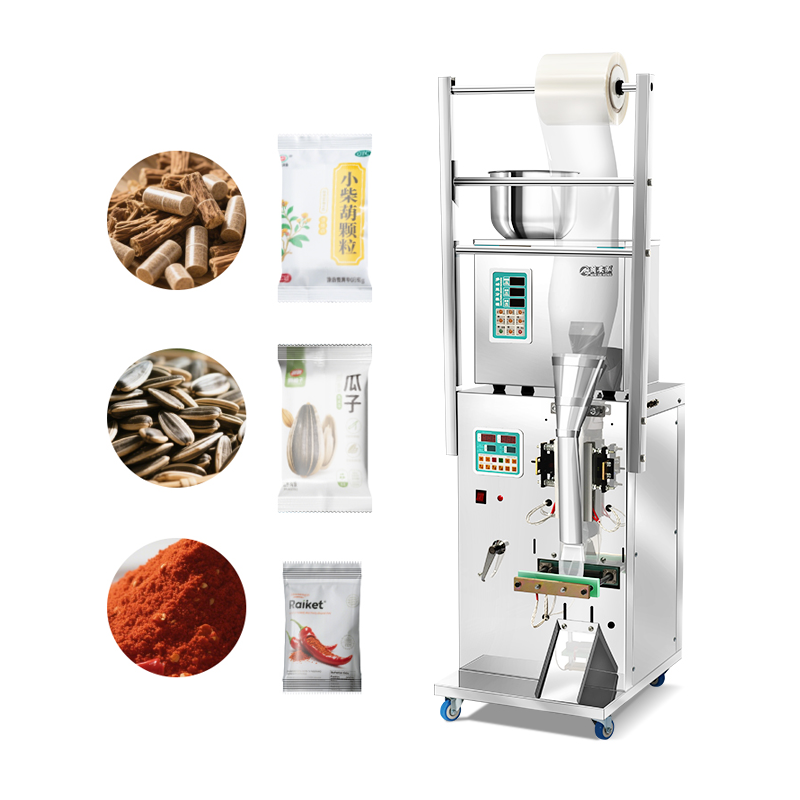
100g Multi-function Granule Packing Machine Automatic Coffee Bean Dry Spicy Nuts Tea Grain Bag Film Powder Filling Machine
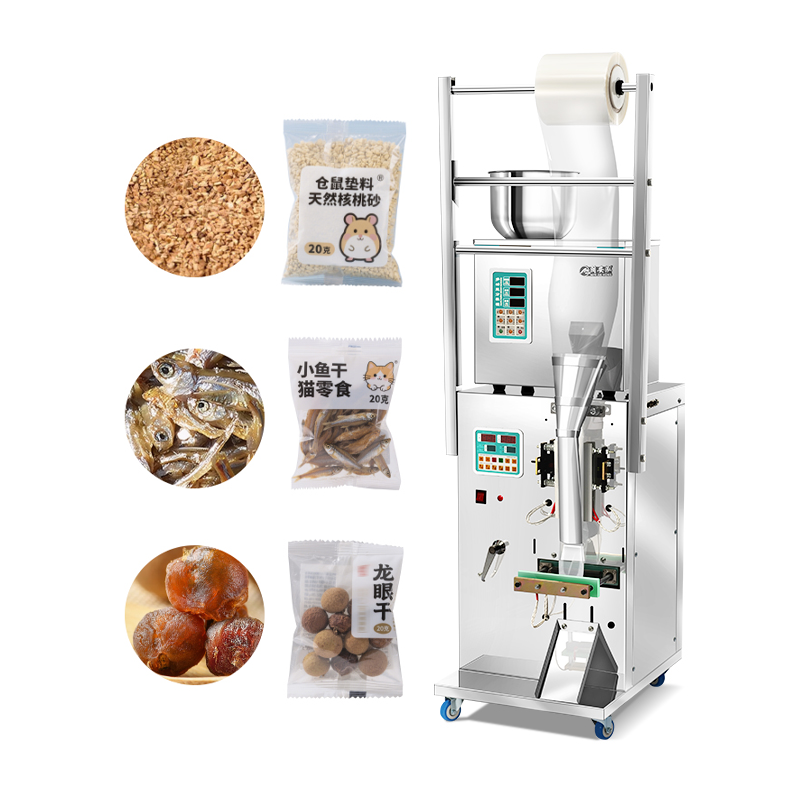
Multi-Function Automatic Powder Filling Machine for Film Plastic Paper Bags Paprika Spice Coffee Tea Bag Sugar Sachet Vertical
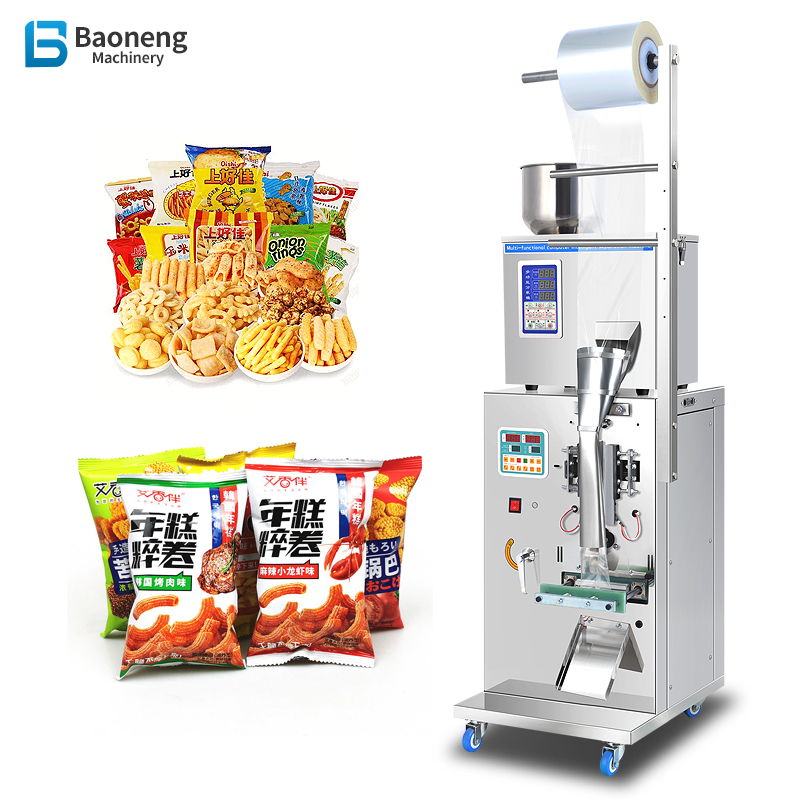
Fully Automatic Small Multifunctional Vertical Rice Grain Nut Popcorn Potato Chips Nitrogen Particles Powder Packing Machine

Fully Automatic Vertical Packaging Machine for Powder Milk Powder Bags for Food Plastic and Paper Material
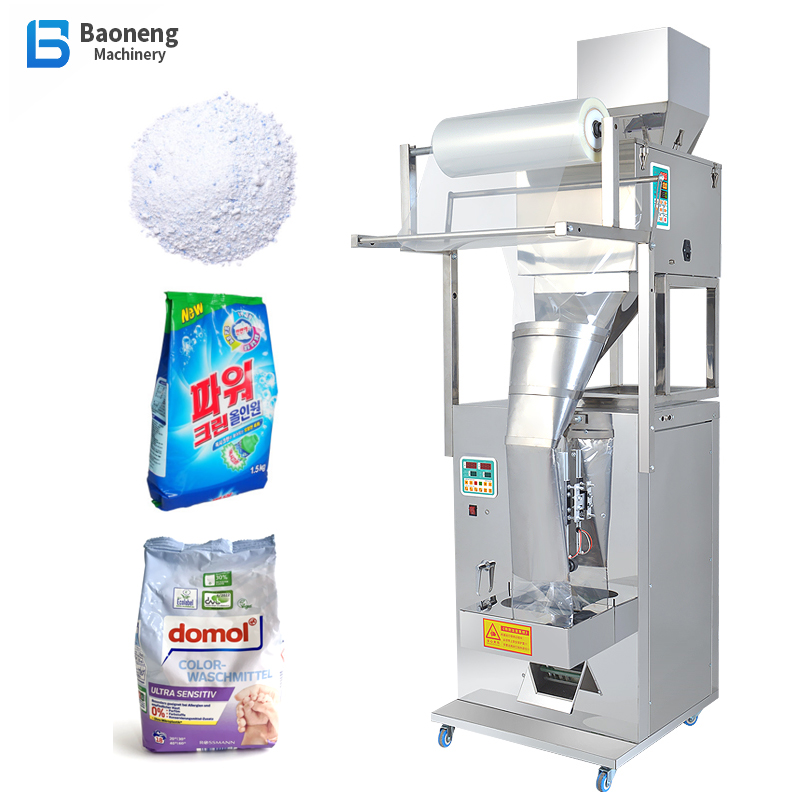
High Speed Multi-lane Automatic Coffee Sugar Granule Powder Stick Food Bags/Pouch/Film Vertical Filling Sealing Machine
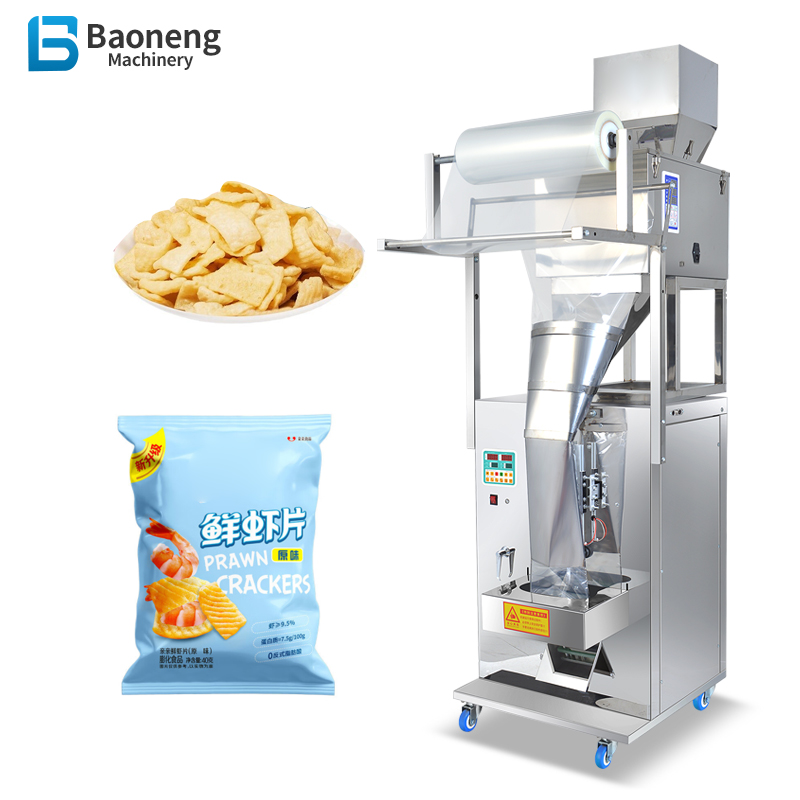
Small Automatic Machine for Pure Water Liquid Water Milkshake Milk Beverage Sachets-for Bags Pouches Foil Film-for Food Tea
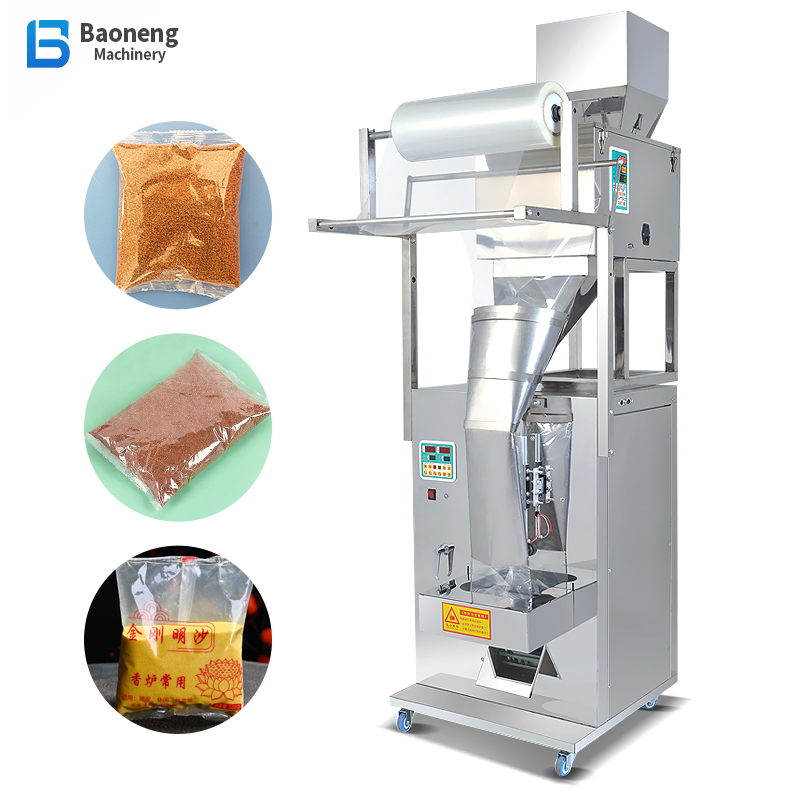
Pillow Reciprocating Fully Automatic High-precision Multi-functional Filling Packaging Machine for Food Bags and Pouches
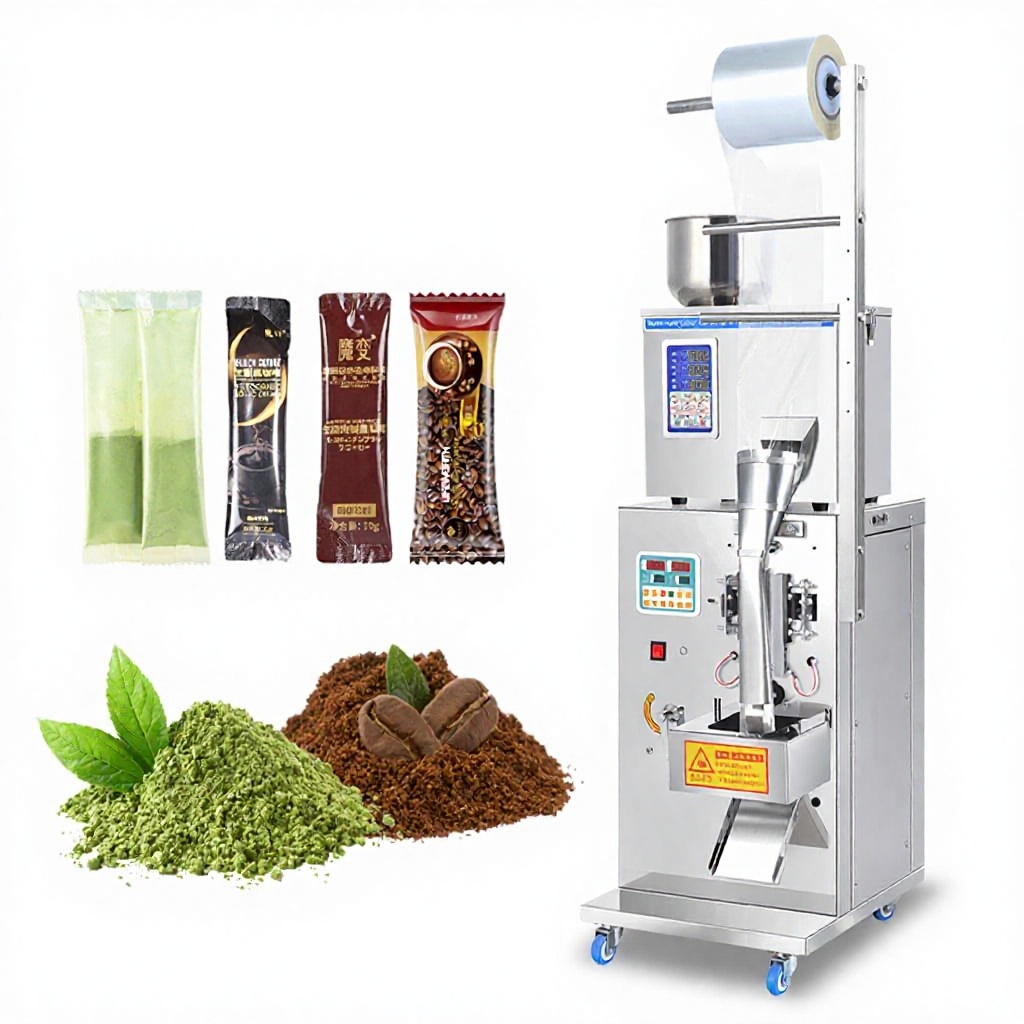
High Quality Small Bag Fully Automatic Powder Granule Product Filling and Packaging Machine
Rheology, Metering Dynamics, and Operational Architecture of Automatic Paste Filling
In high-precision industrial packaging, paste filling systems demand vastly distinct hydraulic, mechanical, and thermal engineering compared to standard thin-liquid dispensers. Viscous substances—ranging from 5,000 centipoise (cP) condiments like organic condiments and honey up to 250,000+ cP formulations such as industrial caulks, silicone lubricants, and biological ointments—demonstrate severe non-Newtonian, shear-thinning (pseudoplastic), or thixotropic rheological behaviors. When sourcing packaging machinery within industrial epicenters such as the Washington DC metropolitan region, Maryland's I-270 Bio-Corridor, and Northern Virginia's high-tech manufacturing parks, engineering teams must evaluate paste-dispensing platforms on five critical parameters: volumetric metering integrity, mechanical cutoff valving, thermal viscosity maintenance, sanitary cleanability (CIP/SIP), and control-loop responsiveness.
Traditional gravity and hydrostatic overflow filling technologies fail catastrophically when applied to paste-type materials; internal friction impedes fluid progression, creating massive void cavities and air entrapment. Consequently, positive-displacement mechanisms represent the absolute global standard. The SAM Machinery series couples precision-machined heavy-wall piston cylinders driven by Japanese digital servo motors or Festo pneumatic double-acting actuators with rotary cutoff nozzles featuring vacuum suck-back capability. This completely arrests residual fluid droplets before the sealing phase, ensuring zero heat-seal contamination on pouch laminates or container threads.
Localized Industrial Applications Across the Greater Washington DC Region
While Washington DC serves as the political and regulatory command center of the United States—housing the central directorates of the U.S. Food and Drug Administration (FDA) and the Environmental Protection Agency (EPA)—its immediate tri-state footprint (DC, Maryland, and Northern Virginia) sustains a dense, high-capital industrial manufacturing ecosystem. The localized adoption of automated paste and viscous dispensing machinery is driven by three dominant industry clusters:
Biopharma & Biomedical (I-270 Tech Corridor)
Facilities based along Montgomery County, MD require hermetic, validation-compliant filling of diagnostic reagents, medical gels, biological transdermal creams, and sterile dental pastes. SAM systems meet 21 CFR Part 11 electronic audit log requisites and ISO 8 cleanroom standards.
Artisan & Commercial Food Processing
From Virginia's dynamic culinary manufacturing hubs to local commercial kitchens producing boutique condiments, organic honeys, chili garlic spreads, and regional barbecue sauces. Systems feature jacketed heating hoppers with scrape agitation to prevent burning of sugars.
Defense & Electronics Formulations
Aerospace, federal contracting, and defense suppliers in Northern Virginia require precision packaging for conductive silver pastes, structural epoxy potting resins, silicone thermal compounds, and specialized defense coatings, requiring nitrogen purge integration.
Localized Industrial Trends Shaping the Capital Region
Procurement directors within the Washington DC metropolitan district operate under some of the most rigorous environmental and technical standards in North America. Currently, three macro trends dictate equipment choice:
1. Strict Compliance with Unified FDA FSMA & Current Good Manufacturing Practice (cGMP): Equipment deployed in the DC-MD-VA region faces unannounced regulatory inspections far more frequently than facilities in isolated rural zones. Production lines demand comprehensive traceability, tool-free disassembly for rapid swab-testing, and complete documentation packages including FAT/SAT protocols and material certifications (EN 10204 3.1).
2. Rapid Conversion to Sustainable, Mono-Material Pouch Packaging: In alignment with regional sustainability mandates and corporate green initiatives popular in the Capital corridor, producers are abandoning multi-layer non-recyclable foils in favor of PE/PE and PP/PP mono-materials. SAM Machinery designs advanced low-temp, ultrasonic, and precisely calibrated PID thermal sealing jaws capable of forming airtight seals without distorting delicate eco-friendly substrates.
3. Distributed Industrial Automation & Floor Space Optimization: Real estate within the suburban Washington DC boundary carries significant lease premiums. Packaging processors prioritize modular vertical form-fill-seal (VFFS) and compact multi-lane linear dosing machines that deliver maximum unit-per-minute (UPM) output within an exceptionally tight factory footprint.
Comparative Performance: Traditional Manual/Semi-Auto vs. SAM Fully Automatic Systems
Evaluating operational efficiency metrics when transitioning to fully automated paste packaging:
| Operational Metric | Conventional Semi-Auto Fillers | SAM Automated Rotary/Piston Series | Engineering Advantage |
|---|---|---|---|
| Dosing Accuracy | ±1.5% to ±3.0% (Manual Trigger) | ±0.5% (Servo Mechanical Positive Stop) | Eliminates costly paste giveaway & overfills |
| Cycle Throughput | 10 - 20 Units per Minute | 35 - 80+ Units per Minute (Multi-lane scalable) | 300% to 500% increase in operational output |
| Contact Hygiene | Manual cleaning, open hopper exposure | Enclosed pressurized sanitary CIP/SIP design | Full cGMP, FDA, and CE Directive conformity |
| Seal Contamination | Frequent nozzle weeping onto seal area | Reverse suction cut-off + mechanical drop catch | Zero-defect hermetic heat and ultrasonic seals |
| Operator Requirement | 1 Dedicated Operator per filling nozzle | 1 Superintending Operator per full packing line | Radical mitigation of local skilled labor costs |
Factory Direct Superiority: Quanzhou SAM Machinery Equipment Co., Ltd.
Unlike trading intermediaries or brokers, Quanzhou SAM Machinery Equipment Co., Ltd. is a verified, custom manufacturing entity with 4,800 square meters of precision fabrication infrastructure in Fujian, China. Operating with 72 verified in-house engineers, machining specialists, and assembly experts, our industrial operations are rigorously audited and validated onsite by TÜV Rheinland.
Every automated paste filling machine exported to North American buyers passes through an exhaustive 11-stage in-house manufacturing process:
International Certification & Regulatory Due Diligence
Full conformance documentation readily provided for streamlined customs processing and regional safety compliance.
 CE Certification
European Harmonized Standards
 2006/42/EC Safety
EU Machinery Directives
 RoHS Compliant
Heavy Metal & Toxicant Free
 TÜV Rheinland
Onsite Factory Verified
Frequently Asked Questions by Mid-Atlantic Regional Buyers
Can SAM machines handle high-viscosity pastes with suspended particulates?
Yes. For materials such as salsa, coarse marinara, abrasive mineral compounds, or cosmetic exfoliants, we integrate custom oversized rotary valve passages and heavy-duty, hardened metering channels that dose without crushing delicate particulates or seizing valves.
What electrical voltages and standards are supplied for U.S. installation?
All machinery delivered to the Washington DC metropolitan district and broader United States is customized to native U.S. electrical specifications: single-phase 110V/60Hz, 220V/60Hz, or 3-phase 208V/480V, utilizing components that facilitate local electrical permitting.
How do you facilitate material testing prior to machine commissioning?
Under our sample-based customization program, clients can ship raw paste samples and roll stock directly to our testing facility. Our engineers conduct live rheology profiling, document filling precision on video, and deliver fully sealed sample pouches for client verification before final payment.
What are the standard delivery lead times and customs arrangements (DDP)?
Standard semi-custom paste machines typically manufacture within 15–25 business days. Through international logistics terms including DDP (Delivered Duty Paid), we oversee complete ocean/air transport, customs clearance, and terminal delivery right to your Maryland, DC, or Virginia facility door.
Request an Engineered Paste Filling System Proposal
Consult directly with our packaging machinery design engineers. Send us your target viscosity, daily container counts, and pack volume for a comprehensive equipment configuration, CAD footprint, and turnkey pricing quotation.